Latin America’s Digital Squeeze: Who Controls Online Speech?



For years, internet freedom in Latin America was mostly positioned as a question of access and safety. The focus was on getting more people online, protecting journalists, and reacting to the occasional censorship case that made headlines.
That’s no longer what’s happening in Latin America today. The real shift today is about control. Not access, not infrastructure, but who decides what speech stays online and what disappears.
Key Takeaways
- Control over online speech in Latin America is shifting from access issues to questions of regulation, liability, and platform power.
- Brazil is leading this shift, with new court rulings and child safety rules pushing platforms toward faster content removal and stricter enforcement.
- Across the region, legal pressure in countries like Peru and Chile is creating a chilling effect on journalists and investigative reporting.
- These changes are gradual but cumulative, quietly reshaping what people can say, see, and publish online.
Brazil Is Setting the Pace
Brazil has become one of the best examples of this change in direction. In 2025, the country’s Supreme Court moved away from a system in which online platforms typically acted only after receiving a court order to one in which they must play a more active role in removing harmful or illegal content.
At first, this may seem like a reasonable step, because it’s true that harmful content can spread quickly if left unmonitored. However, in practice, higher legal risk tends to push platforms to remove content faster and more aggressively, even in cases where the line between good and bad content isn’t entirely clear.
That trend continued in March 2026, when Brazil introduced a new child safety framework with much stricter age checks and stronger requirements for the online platforms they use. While protecting younger users is widely supported, critics argue that these measures often require more sensitive data collection and incentivize platforms to err on the side of caution.
Basically, not wanting to get in trouble with the law, platforms operating in Brazil may start taking down content left and right without giving it much thought – better safe than sorry, right? In practice, this can mean posts being removed before any court review, simply because platforms cannot afford the legal risk.
Pressure Builds Across the Region
Brazil isn’t an isolated case; it's part of a wider local pattern. In Peru, proposed laws have raised concerns about their impact on press freedom. In Chile, criminal defamation cases against investigative outlets create similar pressure.
Even when such defamation cases don’t succeed, they still create a large enough legal and financial boogeyman to make journalists think twice before they publish the next sensitive story.
This is what makes the shift harder to spot. There’s no single law or dramatic shutdown; instead, it’s a steady build-up of pressure that slowly changes people’s behavior over time.
No Clear Rules
At the same time, no one has reached a consensus on how online speech should or shouldn’t be regulated. Regional voices continue to defend high standards of free expression, arguing that even controversial or uncomfortable speech deserves protection. We agree, by the way.
Applying these ideas to how social media actually works, however, isn’t so simple. Questions about what counts as harmful content, who even gets to decide what counts, and how quickly action should be taken all remain unresolved.
Stronger moderation can help reduce harm, but without clear limits, it can also lead to overreach pretty quickly. Right now, the balance between these goals feels uncertain.
Foreign Influence
Concerns about not-so-positive foreign influence have added another layer to the internet freedom debate in Latin America. Investigations into coordinated efforts to shape media narratives, including cases involving outside actors targeting countries such as Argentina, have strengthened governments' cases for tighter control.
From a policy perspective, this argument is difficult to dismiss, since information manipulation can have real political consequences. At the same time, the tools used to fight disinformation can easily expand beyond their original purpose and affect a much broader range of speech.
Once these systems are in place, limiting their use becomes a challenge.
Why This Matters
These ongoing developments aren’t just abstract policy changes. They directly affect what people can say, what they can see, and what journalists feel safe publishing.
In many cases, the impact of policy changes is subtle rather than dramatic. Content is removed more quickly, certain topics become harder to discuss, and some stories never reach the public at all.
Over time, these small changes can and will shape the overall flow of information online, often without you fully noticing what has been lost until it’s too late.
Where You Fit In
As platforms take on more responsibility for moderating content, individual users have less control over how their speech is handled. Decisions are made faster and often with limited transparency, leaving little room to challenge or even understand them.
In this kind of environment, awareness of the problem matters. Knowing how online platforms work, how laws are changing, and what risks exist is the first step toward maintaining any level of control over your online experience.
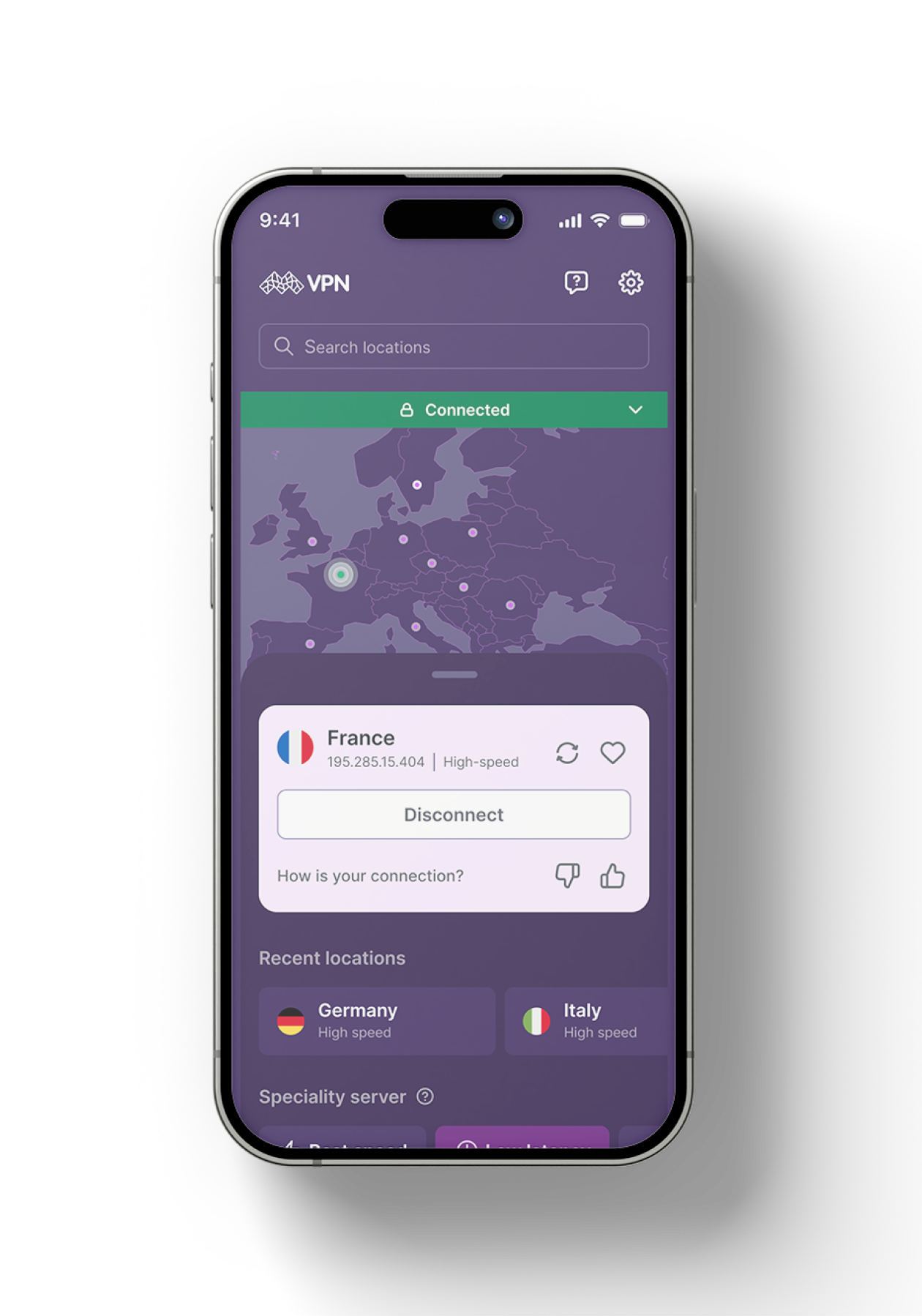
Practical tools also play a role. In this environment, users are increasingly exposed to decisions they don’t control. Tools like VPNs can help protect privacy, reduce tracking, and maintain access to information when restrictions vary across regions. None of this replaces policy safeguards. But it does mean users are no longer passive. What you know and how you connect now matter more than before.
Also, your participation is just as important. Public pressure, brave journalism, and open debate still shape how these rules evolve, even if it doesn’t always feel like it. If people stop paying attention, the balance can shift quickly without much resistance.
A Quiet Rewrite
What is unfolding in Latin America is not a sudden crackdown, but a gradual rewrite of how the internet works. Courts are redefining liability, governments are expanding regulatory frameworks, and platforms are responding by tightening their control over content.
Each step can be justified on its own. Together, they’re changing the rules in a lasting way. The conversation is no longer just about getting online, but about what is allowed to happen once you are there.


Be part of the resistance, quietly.
Get Mysterium VPN
Gintarė is a cybersecurity writer at Mysterium VPN, where she explores online privacy, VPN technology, and the latest digital threats in editorial pieces. With hands-on experience researching and writing about data protection and digital freedom, Gintarė makes complex security topics accessible and actionable.
Related Articles
.png)