Meta Meets India's Opposition Over Content Takedowns

Key Takeaways
Meta's top executives in India held closed-door talks with the opposition Congress party over its content moderation practices.
Congress has raised concerns about growing restrictions on its leaders' accounts and posts, and alleges that Meta favors the ruling BJP. Meta denies any favoritism.
Meta restricted more than 5.4 million posts or accounts in India in the first half of 2026, up from about 70,000 in all of 2025.
Meta says the jump comes from India's amended IT rules, which require faster and more proactive takedowns.
Meta is stuck in the middle of a growing fight over what people in India can post. According to reporting by Reuters, published November 25th, 2026, Meta's top executives in India held closed-door talks with the opposition Congress party at its headquarters on Tuesday.
On one side, Prime Minister Narendra Modi's government wants more posts it sees as illegal taken down. On the other, the opposition says Meta is biased. India has more Meta users than any other country.
What Happened in the Meeting
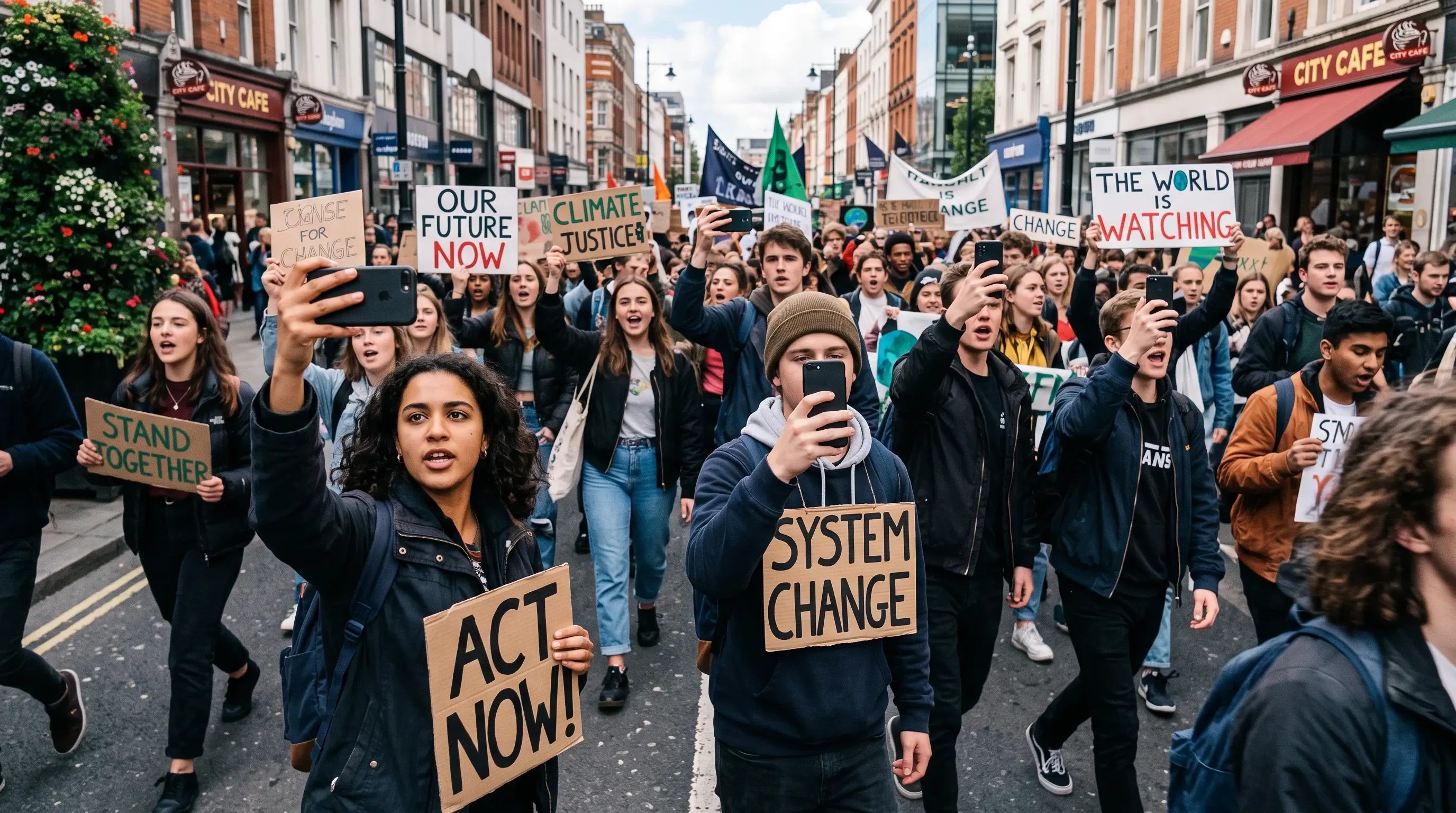
The talks came after protests by the party's youth wing, which started the Friday before. Protesters want Meta to bring back accounts removed on government orders. They also want it to explain how its systems limit posts. Some have clashed with police near Meta's offices.
In the meeting, Congress raised concerns about more limits on its leaders' accounts and posts. Meta said some removals came from its rules on AI-made content. Congress pointed to AI-made posts from the ruling Bharatiya Janata Party (BJP) that were still up, and said the rules seemed random.
Meta raised concerns about protests at its offices and posters mocking CEO Mark Zuckerberg. It made no promises. It said it has to follow local law and that it's neutral toward all parties. A BJP spokesperson criticized the protests on X, accusing Congress of damaging private companies' offices.
From Thousands to Millions
The number that stands out most isn't about either party. In the first half of 2026, Meta restricted more than 5.4 million posts or accounts in India under local laws. In all of 2025, the figure was about 70,000.
Meta says the rise comes from India's updated IT rules, which require faster takedowns. That's a huge jump in a short time. And it affects everyone posting in India, not just politicians.
I think this is the real story. When rules push platforms to remove content quickly, there's little time to check whether each removal is fair. The result is easy to predict. More posts come down, fewer reasons are given, and people on every side feel the rules aren't fair.
Why Transparency Matters
Asking how posts get limited is a fair demand, whatever your politics. Users deserve to know why their posts or accounts disappear and who asked for it. Without that, trust breaks down, and disputes like this one turn into street protests.
India's takedown system already has problems. We recently reported on how fake court orders were used to take down websites in India, showing how easily the process can be abused when nobody checks. Faster removal deadlines only make that harder to catch.
Every takedown order should come with a clear reason, notice to the person affected, and a public record. Keep an eye on this dispute. The rules being tested in India can shape how platforms handle speech everywhere.


Be part of the resistance, quietly.
Gintarė is a cybersecurity writer at Mysterium VPN, where she explores online privacy, VPN technology, and the latest digital threats in editorial pieces. With hands-on experience researching and writing about data protection and digital freedom, Gintarė makes complex security topics accessible and actionable.