Meta Ordered to Pay $25 Billion in New Mexico Privacy Case

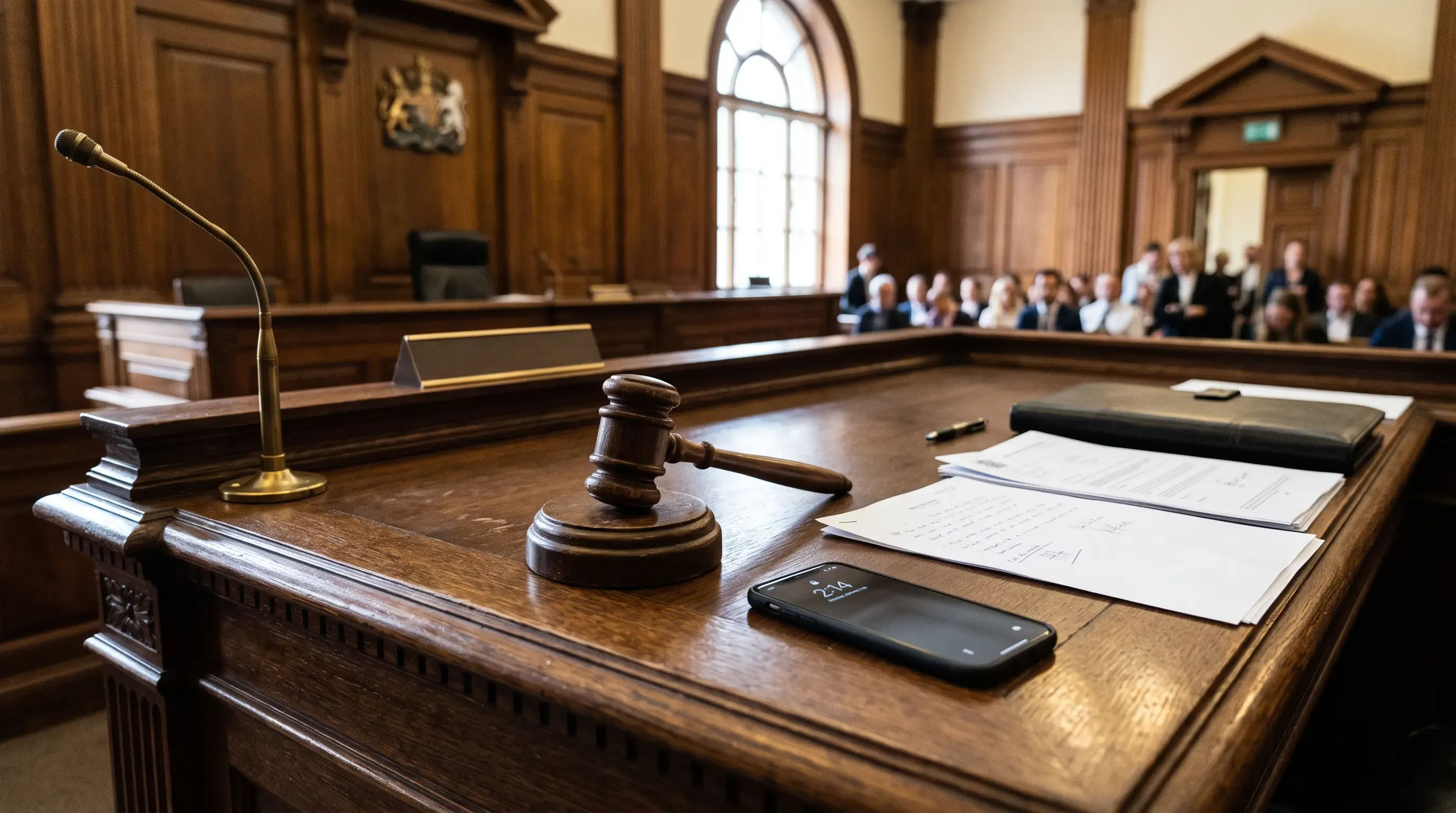
According to CNBC, a New Mexico court ordered Meta to pay $25 billion in penalties in a case that grew out of the Cambridge Analytica scandal. The order, revealed in a court filing, follows a September verdict in which a Santa Fe jury found Meta liable for misleading state residents about how it safeguards and collects user data, and about how it prevents harmful information from spreading on its services.
The jury found more than 43 million violations of the state's unfair practices act. Each violation can carry a civil penalty of up to $5,000, and it fell to a judge to set the final figure. The filing showed the state was awarded $219.5 billion, which was then reduced to $25 billion. CNBC's report doesn't say why. Interest accrues at 15% a year until the penalty is paid in full, which on $25 billion works out to roughly $3.75 billion a year at that rate. That's our arithmetic, not the court's.
What the Judge Found
The judge's language is the most striking part of the order. District court judge Francis Mathew wrote that "Facebook did not conduct the comprehensive investigation that it promised" after the Cambridge Analytica revelations. The filing says "pressure from senior executives to keep costs down, lack of adequate enforcement resources, inadequate investigative techniques, and a desire not to create precedent for future investigations" all contributed to what the judge called a "willfully ineffective" internal examination.
The judge also wrote that "the extraordinary number of willful violations found by the jury, the duration and repetition of the conduct, the breadth of subjects on which violations occurred, the involvement of senior Facebook leadership, the size of New Mexico audiences reached, and the clear intentional and systematic nature of Facebook's repeated misstatements" supported the highest penalty the law allows, $5,000 per violation.
That's a court finding that a company told the public it would investigate how people's data was handled, and then chose not to, partly to avoid setting a precedent. The 2018 scandal centered on allegations that Cambridge Analytica improperly accessed the information of 87 million users. In 2022, Meta agreed to pay $725 million to settle a class action over it. This order is more than 30 times that amount.
What a Penalty Like This Changes and What It Doesn't
The conduct at issue is nearly a decade old. The scandal broke in 2018, the lawsuit was filed in 2021, and the penalty arrived in 2026. We covered a similar lag when Ireland fined Google €403 million six years after the complaints that prompted the inquiry. Penalties this size are real, but they land years after the data has already moved.
There's also the matter of what Meta is asking users and businesses to accept now. This week we covered Meta's updated Terms of Service, which originally authorized scraping the websites of businesses with Facebook Pages before the company narrowed the language after backlash. A court has just found that Meta misled people about how it handles their data. The company's current terms ask for consent to broader data collection.
Meta hasn't commented on this order, and it has appealed other New Mexico rulings. Whether this penalty stands at $25 billion is likely to be decided on appeal. What won't change is what the trial record now says: a company promised an investigation, and a judge found it was designed not to work.


Be part of the resistance, quietly.
Gintarė is a cybersecurity writer at Mysterium VPN, where she explores online privacy, VPN technology, and the latest digital threats in editorial pieces. With hands-on experience researching and writing about data protection and digital freedom, Gintarė makes complex security topics accessible and actionable.
Related Articles