Meta Quietly Deleted Facial Recognition Code After Civil Society Pushed Back


Key Takeaways
- Researchers found facial recognition code secretly embedded in Meta AI, the companion app for Meta's Ray-Ban and Oakley smart glasses, capable of converting strangers' faces into biometric signatures in real time.
- A June 5th app update quietly removed the entire system, including the "Person recognized" alert code, machine learning models, and biometric databases.
- Meta declined to say whether it plans to revive the feature and has not disclosed what it did with data gathered during internal testing.
- A coalition of 75 organizations sent a letter in April demanding Meta halt the feature, citing specific threats to domestic violence survivors, immigrants, LGBTQ+ people, and communities of color.
- Meta previously shut down facial recognition on Facebook in 2021 after paying over $2 billion in biometric settlements, then paid an additional $5 billion FTC fine for broader privacy violations.
The Code That Wasn't Supposed to Be Found
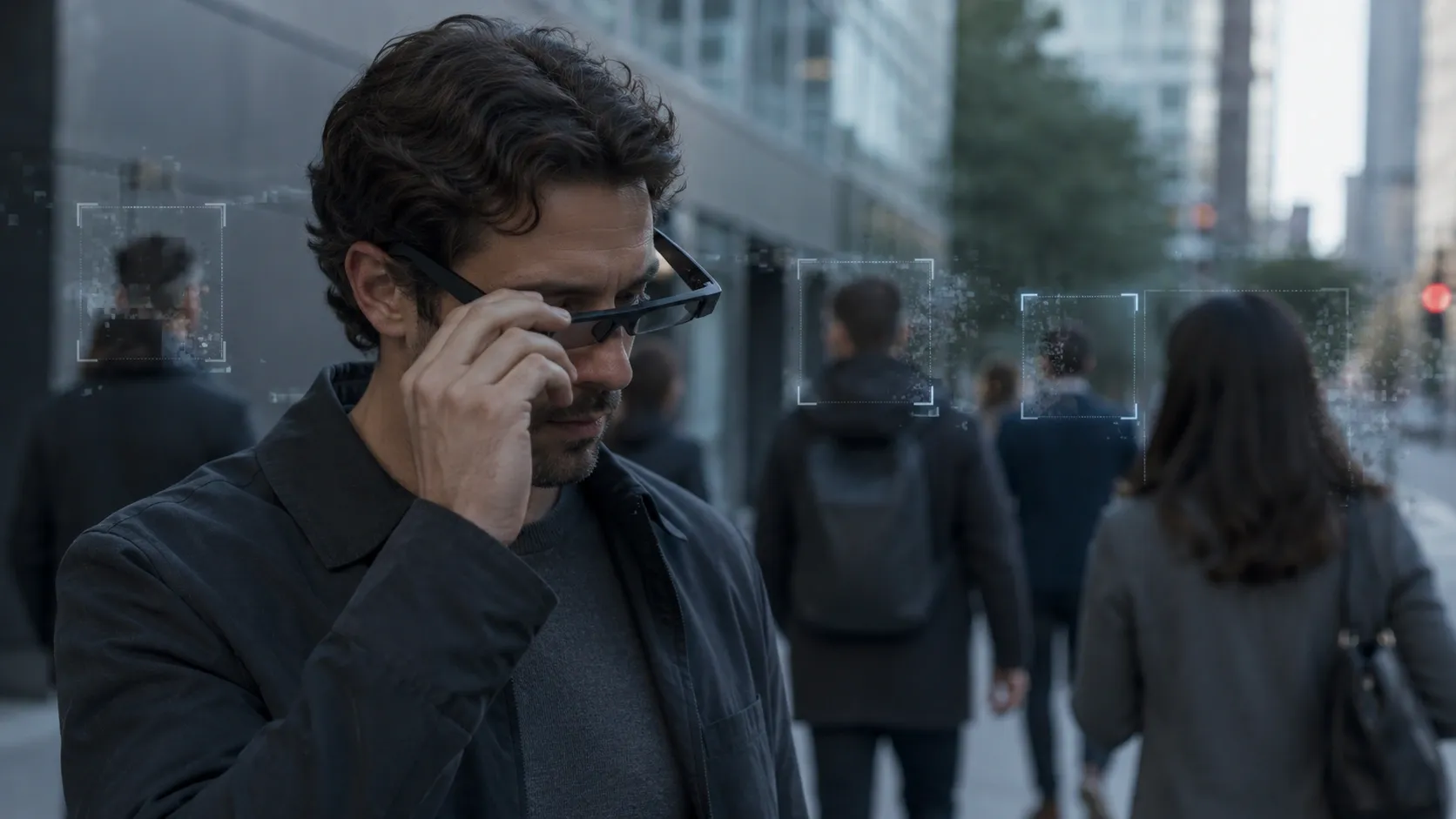
Last week, a WIRED investigation exposed that Meta had quietly embedded facial recognition technology code into Meta AI, the companion app for its Ray-Ban and Oakley smart glasses. The code could convert images of strangers' faces into unique biometric signatures and trigger "Person recognized" alerts, all without the knowledge of the people being scanned. EFF's Threat Lab verified the findings through static analysis.
Meta's executives went on the defensive on social media. Yet, their actions said more than their posts did, and less than 48 hours after the public caught wind of the plans, a June 5th app update quietly removed all of it. Gone was the face recognition system, the alert code, the machine learning models, and the biometric databases designed to detect and store signatures of people users encountered.
A Track Record That Makes "Trust Us" Implausible
Meta has since refused to answer WIRED's questions about whether it plans to bring the feature back or what it did with any data collected during internal testing. That silence is worth sitting with, given what we already know about how this company handles biometric data. Meta paid over $2 billion in settlements over its misuse of consumers' biometric data and a separate $5 billion FTC fine for broader privacy violations covering its facial recognition products.
Internal documents cited in the coalition letter show that Meta had planned to launch the feature during what it internally described as a "dynamic political environment" when civil society groups would have resources "focused on other concerns." A company planning its surveillance rollout around civil society's distraction calendar is one that has already made its priorities clear.
And, to add to it, Texas had already opened a biometric investigation into Meta's smart glasses before this latest incident. Under its FTC settlement, Meta was required to review every new product for privacy risks, but in January 2025, the company dismantled that review process, curtailing its privacy teams and shortening timelines.
The Quiet Delete Settles Nothing
In 2024, Harvard students demonstrated that pairing existing Ray-Ban glasses with a commercial facial recognition tool let them identify strangers on the Boston subway in real time, well before Meta's own "Name Tag" code was discovered. The 75-organization coalition that wrote to Zuckerberg in April, including the ACLU and EFF, was alarmed by a demonstrated capability already being handed to millions of people wearing inconspicuous glasses in public.
Their letter called for Meta to disclose any discussions with law enforcement, including ICE and CBP, regarding the use of Meta wearables by government agents. CBP agents have already been documented wearing Meta glasses during domestic operations, and the federal government's appetite for biometric tools is not shrinking.
A code delete does not equal a commitment. Meta has not pledged to keep the feature gone, has not disclosed what happened to internal test data, and has not stopped opposing the biometric privacy legislation that would actually constrain it. The EFF and the coalition are right that what this moment requires is enforceable consumer privacy law with a private right of action, so that ordinary people can sue companies that violate their biometric privacy rather than waiting for the next app update to reverse a feature that should never have been built. Meta reversed course only when it was caught, and the next version of this feature will simply be better hidden.


Be part of the resistance, quietly.
Get Mysterium VPN
Dominykas is a technical writer with a mission to bring you information that will help you keep your digital privacy and security protected at all times. If there's knowledge that can help keep you safe online, Dominykas will be there to cover it.
Related Articles
.png)