Over 62,000 UK Arrests for Social Media Posts in Five Years


Key Takeaways
- Big Brother Watch's new report found at least 62,199 people were arrested for communications offences across the UK between 2021 and 2025, averaging 34 arrests a day.
- Only 18,520 of those arrests led to a charge and just 12,292 ended in conviction, meaning roughly four in five arrests went nowhere.
- Cumbria Constabulary arrested people at 25.7 per 10,000 residents, nearly 14 times the rate of neighboring Northumbria's 1.9.
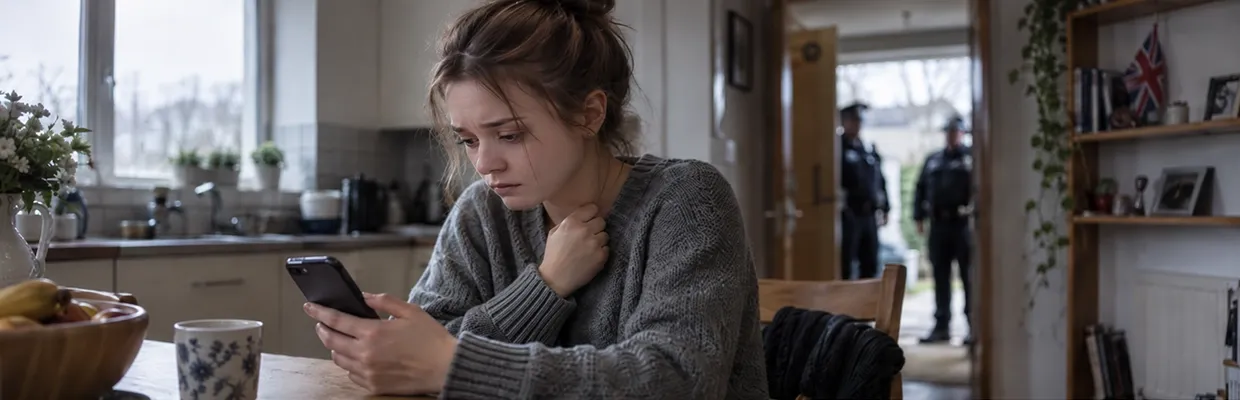
- Parents Maxie Allen and Rosalind Levine were held for 11 hours over sarcastic WhatsApp messages about their daughter's school, and Hertfordshire Police later admitted the arrest was unlawful.
- A teenage girl was threatened with arrest and had her phone seized after merely viewing a TikTok video she had no role in creating, and police confirmed months later that she had done nothing wrong.
Sixty-Two Thousand Reasons to Watch What You Type
At least 62,199 people were arrested for communications offences in the UK between 2021 and 2025, according to a new report from civil liberties group Big Brother Watch, roughly 34 arrests a day for five straight years. Most fell under the Malicious Communications Act 1988 and Section 127 of the Communications Act 2003, laws written before social media existed and now used to police whatever people say on it, as GB News reported when the figures broke.
Of those 62,199 arrests, only 18,520 led to a charge, and just 12,292 ended in a conviction. Roughly four out of five people pulled into custody over something they posted or messaged were never found to have committed a crime. An arrest still means officers at your door, devices seized, and hours or days in a cell before anyone works out whether you did anything wrong at all.
And, well, where you live apparently decides your odds. Cumbria Constabulary arrested 25.7 people per 10,000 residents over five years, the highest rate in the country and two and a half times the national average. Northumbria, right next door, arrested just 1.9 per 10,000, meaning Cumbria arrested at nearly 14 times its neighbor's rate. Nobody credibly believes people in Cumbria are more offensive than people in Northumbria. What the numbers show is that the law is vague enough for two neighboring forces to interpret it however they like, and that this absolutely should not decide anyone's liberty.
Two People Who Learned This the Hard Way
Maxie Allen and Rosalind Levine found out what a vague law looks like in practice, as The Sun detailed. The couple posted sarcastic messages in a parents' WhatsApp group criticizing their daughter's school over its headteacher recruitment, and six Hertfordshire officers held them in custody for 11 hours. Levine described being arrested in front of one of her children as deeply traumatic, and after a five-week investigation found nothing, Hertfordshire Police admitted the arrest was unlawful and paid the couple £20,000 in damages.
A teenager in the West Midlands went through something similarly absurd. A TikTok video mocking a teacher circulated at her school, and although she had only viewed the post, never created or shared it, police still arrived at her family's home, entered without consent, and threatened to escalate things further unless her phone was handed over. Her mother handed it over under duress to protect her daughter from arrest. Months later, police confirmed the girl had no involvement in the video, by which point the ordeal had already followed her online and at school.
Britain Has Been Warned About This by the Person Who Wrote the Law
Nadine Dorries, the former Secretary of State who steered the Online Safety Act through Parliament, wrote in the report's foreword that the legislation she championed "failed to secure either the protection of children, or to protect the fundamental principle of any democracy, freedom of speech." That is not a critic making the case against the UK's speech laws. That is the minister who built them admitting the whole thing came apart.
Big Brother Watch director Silkie Carlo has written to Greater Manchester mayor Andy Burnham calling for an independent national review, warning that thousands of people are being arrested for "non-violent protest, controversial speech and online jokes." Nothing about the last five years suggests police forces will start applying these laws consistently on their own.
Meanwhile, the government's instinct keeps landing on the wrong target. Ministers are still pushing ahead with a VPN restriction for under-18s even as this report shows the real problem sitting in how broadly ordinary speech gets criminalized, and Kendall's own promised "robust" statement is aimed at privacy tools rather than the vague laws turning WhatsApp gripes into arrests.
If you're posting anything even mildly pointed from inside the UK right now, a VPN will not stop a determined force from working out who you are once they decide to investigate, and it will not undo a law this broad. What it does is keep your everyday browsing out of the dragnet that flags accounts for further scrutiny, since a masked IP address gives monitoring tools far less to work with when nothing you have done has actually broken a law that makes sense.


Reclaim the internet that took you at your word!
Get Mysterium VPN
Milda is a privacy writer with a mission to bring you practical, trustworthy information that helps you protect your digital privacy and security. From online safety and data protection to the latest privacy trends and threats.
Related Articles
.png)