Science Runs on Reading. Access Is Not Equal

Key Takeaways
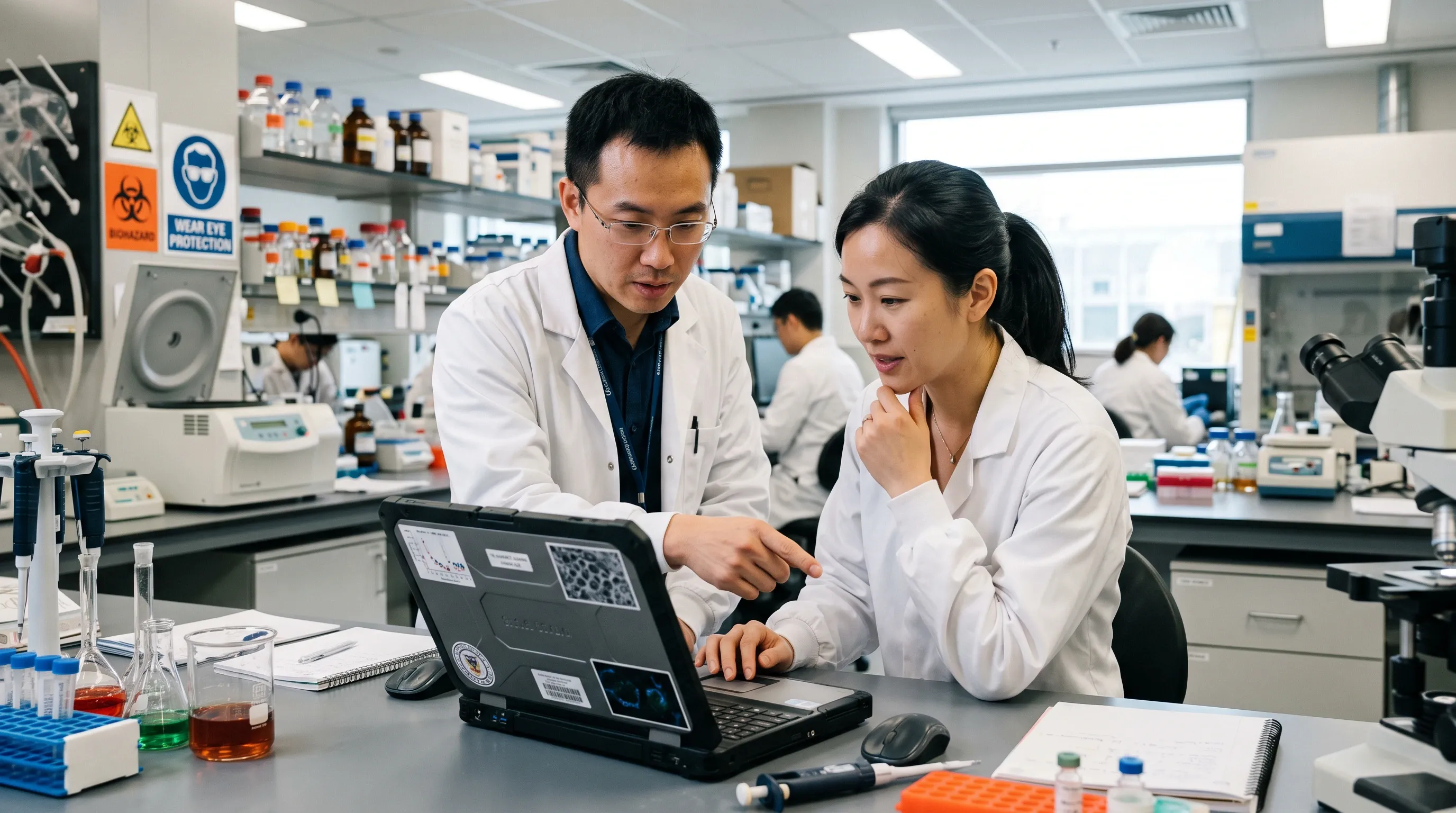
Research depends on reading what other researchers have already published. That step is harder than most people assume.
Journal subscriptions cost more than many institutions in lower-income countries can afford, so their researchers often can't reach the literature in their own field.
Network shutdowns break live collaboration. Shared computing, joint data collection, and remote lab access all stop at once.
Scientists who publish findings on contested topics face harassment and, in some places, legal pressure.
Today, November 10th, is World Science Day for Peace and Development. Science is described as discovery. Most of the work is reading. Before anyone runs an experiment, they read what has already been tried, what failed, and what the current method is.
That step assumes you can reach the research. For a large share of the world's scientists, you can't.
The Reading Problem Comes First
Most research is published in journals that charge for access. A single paper can cost around thirty to fifty dollars to read. A university subscription to a major publisher runs into six or seven figures annually. Well-funded universities pay it. Everyone else works around it.
That means researchers at smaller institutions, and across much of the world, routinely cannot read papers in their own field. They request copies from authors. They ask colleagues abroad. They work from abstracts, which summarise a result without showing the method.
You can’t replicate a study from an abstract. You cannot check whether it applies to your context either. This isn’t a secret or a scandal. It’s the normal operating condition of science in most of the world, and it has been for decades.
Open access publishing was meant to fix it. Some of it has. But many open access journals charge the author instead, often thousands per paper, which moves the barrier rather than removing it. A researcher without grant funding still can't publish, and now can't read either.
Shutdowns Break the Live Half
The other half of research is collaboration happening right now. Shared computing clusters. Instruments operated remotely. Datasets being collected jointly across institutions. Video calls between teams in different countries. All of it needs a connection that stays up.
When a government cuts the network, that work stops. Not pauses. A long-running computation may fail. A remote instrument may need a reset. A collaboration can lose a session nobody can reproduce.
Researchers in countries with frequent shutdowns plan around this. They download what they can in advance, avoid time-sensitive collaborations, and sometimes decline to join projects that require continuous access. That’s an invisible cost. Nobody records the study that wasn't attempted.
Publishing Findings Can Be Risky
The third barrier applies to a smaller group but matters more per person. Researchers who publish on politically contested subjects face harassment. Public health findings, climate data, and environmental research have all attracted organized abuse in multiple countries.
In some places it goes further. Researchers have been denied access to national data after publishing unfavorable findings. Some have faced legal pressure under laws covering false information or national reputation.
The effect isn’t usually that someone stops working. It’s that they choose a different question next time. That choice never appears in any dataset.
What Would Help
I think the useful version of this day is specific rather than celebratory. Three things would change the picture measurably.
Research funded by the public should be readable by the public, including the parts of the public who are researchers in countries that didn't fund it. Several funders already require this. More could.
Author-side publishing charges need waivers that actually work, rather than application processes most people never hear about.
And connectivity for research institutions deserves to be treated as infrastructure. A university that loses the network loses its laboratory.
World Science Day connects science to peace and development. Both of those depend on people in every country being able to do the work, not just read about it afterward. Right now, a researcher's ability to contribute depends heavily on which institution's subscription they sit behind. That’s a solvable problem, and it has been solvable for a long time.


Be part of the resistance, quietly.
Gintarė is a cybersecurity writer at Mysterium VPN, where she explores online privacy, VPN technology, and the latest digital threats in editorial pieces. With hands-on experience researching and writing about data protection and digital freedom, Gintarė makes complex security topics accessible and actionable.
Related Articles