VPN for Cheaper Flights: Unlock Lower Airfare Deals


Key Takeaways
- Airlines and booking sites use dynamic pricing based on location, browsing history, and device, meaning identical flights can show different prices depending on where you appear to be searching from — a VPN lets you compare by changing your apparent location.
- Certain regions consistently show lower fares due to regional pricing strategies. India, Malaysia, Mexico, Thailand, South Africa, and the Philippines are commonly cited as worth testing, though the cheapest option varies by route, airline, and timing.
- Location tracking goes beyond IP address. GPS, HTML5 Geolocation, browser cookies, and even nearby Wi-Fi network data can reveal your real location independently of a VPN, so combining a VPN with incognito mode, cleared cookies, and denied location permissions gives more reliable results.
- This practice is legal but may conflict with a site's terms of service. No law prohibits using a VPN to compare flight prices, though some travel sites discourage it in their ToS — enforcement is rare, and the typical consequence is a location-verification prompt rather than any penalty.
They say travel broadens the mind. Do you know what else it does? Thins out your wallet! But here’s a secret seasoned travelers have discovered: using a VPN can help you find cheaper flights by exposing regional price differences that most people never see.
Flight booking platforms and airline websites often adjust their prices based on your location, browsing history, and even how many times you’ve searched for a particular route. This is known as dynamic pricing, and it can result in you paying significantly more than someone else in a different part of the world.
If you’re serious about saving on airfare, whether it’s for a vacation, business trip, or a spontaneous getaway, using a VPN is one of the smartest travel hacks you can use today.
In this Mysterium VPN blog post, we’ll tell you everything you need to know about online security when buying flight tickets, about price discrimination, how websites determine your actual location, and how to use a VPN for cheaper flights!
How Does a VPN Help With Flight Prices?
Airlines and travel websites often use dynamic pricing, adjusting ticket prices based on customer demand, browsing history, and your preferred destination.
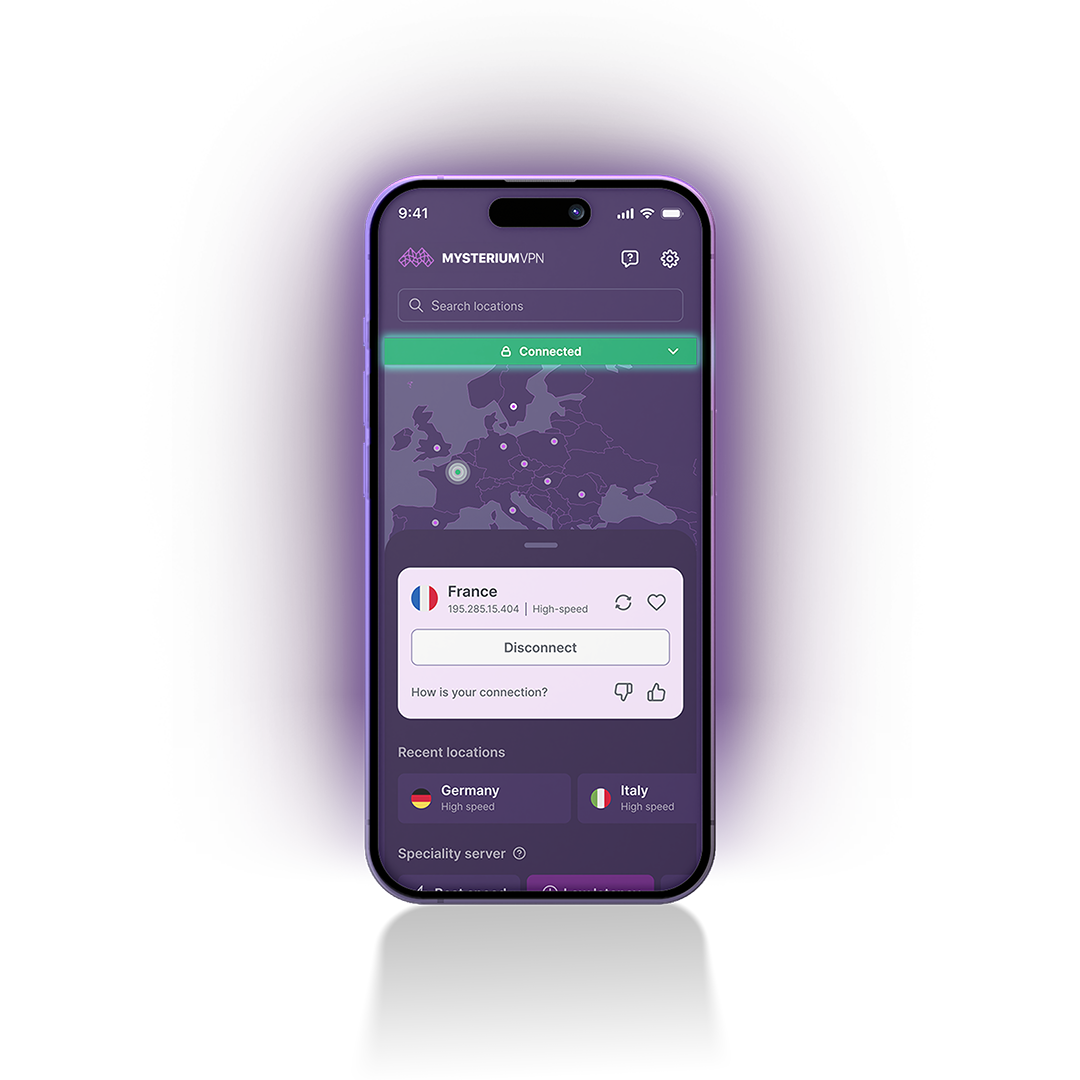
The good news is that you can actually use a VPN like our very own Mysterium VPN to change your virtual location, making it appear like you're browsing from a different country. This can help you find lower prices offered to users in other regions.
How To Use a VPN To Get Cheaper Flights
Follow these steps to maximize your savings:
- Choose a reliable VPN service: To ensure secure connections and reasonable prices, choose a reputable VPN service provider like Mysterium VPN (up to 78% off right now).
- Clear cookies and cache: Before searching for flights, clear your web browser's cookies and cache to prevent travel websites from tracking your previous searches.
- Use incognito mode: Browse flight deals in private or incognito mode to avoid storing new cookies during your browsing session.
- Connect to different server locations: To compare flight prices, try connecting to a few different VPN servers in various countries.
- Compare prices across devices: Use different devices to check for price variations. Sometimes, the price is much lower on an app compared to the website.
- Book flights without logging in: Avoid logging into your airline accounts during your search to prevent personalized pricing and tracking.
Best VPN Locations To Check for Cheaper Flights
Some countries consistently show lower flight prices than others, and it’s not by accident. Airlines and booking platforms often use regional pricing strategies to adjust fares based on what travelers in a given country can typically afford.
This means someone browsing from a lower-income region might see a better deal than someone in, say, the US or UK, even when searching for the same flight.
Here are VPN server locations that savvy travelers and flight deal hunters frequently recommend:
- India: With a large domestic travel market and relatively lower income levels, airlines often offer reduced ticket prices in India. India is a top location to test for discounted long-haul international routes.
- Malaysia: As a Southeast Asian hub with frequent budget travel, Malaysia offers more competitive fares for regional and international flights.
- Mexico: Often priced lower to cater to local markets, Mexico is worth checking for flights to and from North and South America.
- Thailand: A popular tourist destination with a low cost of living, Thailand often yields more affordable fares, especially for Asia-Pacific routes.
- South Africa: Due to localized pricing, airfare from this region can be surprisingly affordable, particularly for routes into Europe or Asia.
- Philippines: With a growing budget airline industry and lower purchasing power, this region can help find cheap international flights, especially in Asia and the Middle East.
Using your VPN, try connecting to one of these countries, reloading the booking page, or using incognito mode to compare prices from different locations.
There’s no universally cheapest country; it often depends on the destination, the airline, and the timing, but testing these regions can help uncover hidden deals.
Is It Legal To Use a VPN for Cheaper Flights?
Yes, using a VPN for cheaper flights is legal. A VPN is a legitimate online privacy tool that’s designed to protect your data and mask your location.
Millions of people use VPNs daily to enhance security, safeguard their online activity, and maintain privacy on public Wi-Fi. Using one to compare flight prices from different regions falls well within legal bounds.
However, legality and website terms of service are two separate things. While no laws prevent you from using a VPN to check airline ticket prices, some travel sites and airlines may discourage or restrict the use of VPNs in their terms of service.
It’s worth noting that enforcement of such policies is extremely rare. Most platforms simply display different prices without flagging or blocking VPN users. In most cases, the worst that can happen is the website asking you to verify your location or disabling booking until you reconnect without a VPN.
That said, Mysterium VPN encourages users to always act responsibly and ethically. We don’t condone using VPNs to violate the terms of service of any website or to engage in misleading or fraudulent behavior.
If you’re unsure about the laws in your home country or destination, checking local regulations is always a good idea. But in most regions, simply using a VPN to explore ticket options or compare flight prices is legal and increasingly common among travelers seeking informed choices.
How Flight Prices Work Online
Understanding dynamic pricing can give you an edge when finding cheaper flights or securing better deals. Here’s a closer look at what’s going on behind the scenes when you’re browsing for airline tickets:
- Demand: Airlines rely heavily on demand-based pricing algorithms. Ticket prices rise if a flight route starts filling up or demand spikes, say during holidays, school breaks, or global events. It’s a classic case of supply and demand.
- Browsing history and cookies: Flight booking sites track your search patterns, cookies, and online behavior. If you repeatedly search for the same route or dates, this signals high interest, and some platforms respond by showing higher prices.
- Geographic location: Travelers in wealthier countries might see higher prices for the exact same flights than someone searching from a lower-income region. That’s why our NYC to London flight was cheaper when buying from Malaysia than from the U.S.
- Time of booking: The time you search also impacts your prices. Mid-week tends to be cheaper for booking, while weekends and evenings often reflect higher prices due to increased activity.
- Device type: Some sites may adjust prices based on whether you search from a mobile phone, tablet, or desktop. Some people claim that even the brand of your phone can impact the prices you see!
- Account status: If you’re logged into an account on a travel booking site or airline, your loyalty level, travel history, and past spending habits may influence what deals you’re shown.
How Websites Track You
When you visit a flight booking site or comparison platform, you're not just browsing; you're being watched. We’re sorry if that sounds creepy, but that’s true.
These sites use multiple tracking technologies to gather data about your location, device, and online behavior. This information is used to personalize your experience and, in some cases, adjust the ticket prices you’re shown.
Here’s a breakdown of the most common tracking methods, how they work, and what you can do to protect yourself.
IP Address
Your IP address is like a return address for your internet connection. It reveals your general geographic location, including your country, city, and sometimes even ZIP code. When you visit a flight booking site, your IP is immediately used to:
- Determine your currency and language.
- Show region-specific flight prices based on local market conditions.
- Estimate your purchasing power and adjust prices accordingly.
A VPN replaces your real IP with that of a remote VPN server, making it look like you're browsing from a totally different country. This lets you see how ticket prices vary by location and potentially score better deals.
GPS
On mobile devices, websites and apps can request access to your precise GPS data. On travel sites, it can be used to:
- Confirm that your physical location matches your IP address.
- Prevent users from manipulating regional pricing with location spoofing tools.
- Tailor offers or suggest "nearest airport" options.
While a VPN hides your IP-based location, GPS data is separate and more precise. You can block GPS access or disable it in your phone’s settings to prevent tracking entirely.
HTML5 Geolocation
Modern browsers support HTML5 Geolocation, which uses a mix of IP data, nearby Wi-Fi networks, and mobile tower info to estimate your exact location—even if you haven’t enabled GPS. Websites prompt you to allow or deny this access, and if allowed, it offers:
- Highly accurate location tracking.
- More "personalized" pricing and deals.
- Potential detection of VPN usage if your browser location and IP don’t match.
While a VPN masks your IP, some browsers may still reveal your actual location via HTML5 Geolocation unless you deny the request. Always click “Block” when a website asks for your location information.
Cookies
Cookies are tiny files that websites store on your device to remember your preferences, browsing history, and login status. But cookies also allow sites to:
- Track your search patterns and repeat visits.
- Raise prices based on perceived urgency or interest.
- Build a profile to tailor offers and upsells.
A VPN can’t block cookies, but it helps isolate your browsing sessions from being tied to a consistent IP. Combined with incognito mode and clearing cookies, you can make it much harder for sites to track and profile you.
Wi-Fi Networks
Some websites can access the names and signals of nearby Wi-Fi networks through your browser or device settings. This data triangulates your location, similar to how smartphones work indoors without GPS.
A VPN encrypts your connection and hides your IP, but to block Wi-Fi-based tracking entirely, disable browser geolocation, reject location access prompts, and use incognito/private mode.
Other Perks of Using a VPN While Traveling
A reliable VPN like Mysterium VPN becomes a valuable digital travel companion, helping you stay connected, protected, and informed, no matter where in the world you are. Here are a few additional reasons why folks rely on a VPN while traveling:
Access Your Home Library
Streaming services offer different content libraries depending on your geographic location. If you’re abroad, you might find your favorite shows or movies unavailable, not because your subscription changed, but because the service detects you’re in another country.
A VPN allows you to connect to a server in your home country, making it appear as though you’re still back home. This way, you can continue enjoying your usual streaming catalog, apps, and news services, even from across the globe.
Secure Public Wi-Fi Connections
Airports, hotels, cafes, and train stations all offer public Wi-Fi, but they’re also hotspots for cyber threats. Unsecured networks can leave your personal data vulnerable to a myriad of risks.
A VPN encrypts your connection, turning even the most insecure Wi-Fi hotspot into a secure browsing environment. That means your passwords, emails, banking details, and personal messages stay safe from prying eyes.
Better Deals on Hotels and Car Rentals
Just like flight prices, hotel rates, and car rental prices often vary depending on your location. Travel websites use the same tracking technologies, IP-based geolocation, cookies, and demand-based pricing algorithms to determine how much you’re willing (or able) to pay.
Using a VPN to appear as if you’re in a lower-cost country or region may uncover cheaper booking rates, hidden local deals, or early bird discounts typically unavailable to foreign users.
Can I Use a Free VPN for Cheaper Flights?
While free VPNs are available, they often come with limitations:
- Slower speeds: Free VPNs usually have overcrowded servers, leading to lag and long loading times that can hinder your browsing experience.
- Limited server options: You’ll have fewer countries or cities to choose from, reducing your chances of finding genuinely lower airfare prices.
- Security risks: Some free VPNs log your browsing activity, sell your data to advertisers, or include malware in their apps.
- Intrusive ads: Many free VPNs inject ads into your browsing sessions, which can clutter your screen and slow down your device.
- Data caps: Free versions often restrict how much data you can use, cutting you off mid-search or forcing you to upgrade.
- Unreliable connections: Frequent disconnections or unstable servers can interrupt your flight search or payment process.
- No customer support: If the VPN stops working or causes issues, you’re often left without any help or troubleshooting resources.
- Weaker encryption: Some free VPNs use outdated or minimal encryption, leaving your personal and payment data vulnerable.
- Inaccurate locations: Many free VPNs fail to mask your location properly, meaning airline websites can still detect where you’re browsing from.
- Potential for scams: Some “free VPN” apps are fake and designed solely to harvest sensitive information or install spyware.
Given these drawbacks, it’s far safer to stick with a trusted option like Mysterium VPN, as we offer reliable speeds and strong privacy protection for securely finding the best flight deals.
Extra Hacks to Find Cheap Flights (With or Without a VPN)
Enhance your flight search with these simple tips:
- Use flight comparison tools: Platforms like Skyscanner help compare airline prices.
- Set fare alerts: Receive notifications when prices drop.
- Book mid-week: Tuesdays and Wednesdays often have lower fares.
- Fly on less popular days: Mid-week flights are typically cheaper than weekend ones.
- Be flexible with dates: Adjusting travel dates can lead to better deals.
- Use incognito mode: Prevent websites from tracking your searches.
Common Mistakes to Avoid When Using a VPN for Flights
If you’re having trouble finding better deals, make sure you’re not:
- Logging into airline accounts: Can override location settings.
- Not comparing over time: Prices fluctuate; monitor them over several days.
- Trusting only one server: Test multiple servers and VPNs for the best results.
- Using poor-quality free VPNs: May provide unreliable connections.
Final Thoughts
Using a VPN is a smart travel hack to unlock cheaper flights by hiding your location and bypassing dynamic pricing. Airlines and booking sites often charge different fares based on your region, browsing history, and device.
By connecting to VPN servers in countries like India, Malaysia, or Mexico, clearing cookies, and browsing incognito, you can reveal lower airfare deals. While free VPNs exist, they often lack speed, security, and server variety, making a trusted VPN a better choice for serious savings. Mysterium VPN also protects your data on public Wi-Fi and helps you access local content abroad. Try it today and save money before you even book a flight, now 78% off!


Frequently Asked Questions
Gintarė is a cybersecurity writer at Mysterium VPN, where she explores online privacy, VPN technology, and the latest digital threats in editorial pieces. With hands-on experience researching and writing about data protection and digital freedom, Gintarė makes complex security topics accessible and actionable.
Related Articles