Sadiq Khan Is Right About the Manosphere and Wrong About the Fix


Key Takeaways
- London Mayor Sadiq Khan backed a ban on social media for under-16s in a June 2nd, 2026, op-ed for LBC, calling it "the only way to stem the harms we know are happening right now."
- The manosphere is a documented radicalization pipeline, with 80% of British boys aged 16-17 having consumed Andrew Tate content as of 2023.
- A blanket social media ban doesn’t address why boys are vulnerable to this content, and bans introduced elsewhere have been evaded within days.
- Social media is also a space where young people find support, including girls and LGBTQ+ youth, with few other options available.
- The answer is engaged parenting, community support, and algorithmic accountability, not a sweeping access ban.
Writing in a June 2, 2026, opinion article for LBC, London Mayor Sadiq Khan described how boys searching for self-improvement stumble into darker territory where their confusion is weaponized against them. He called manosphere influencers "snake oil salesmen" peddling misogyny dressed up as practical guidance. He’s not wrong about that.
A 2025 study in Child and Adolescent Mental Health described the manosphere as an international network promoting male supremacy and antifeminist ideologies, linking it to sexist attitudes in schools. A Canadian government briefing flagged it as a growing threat to gender equality and public safety. The consequences for the women around these young men can be devastating.
Where Khan goes wrong is the remedy.
You Can’t Ban Boys Into Better Values
Khan's proposal treats the internet as the root cause of radicalization rather than the vehicle through which the boys find it. Boys aren’t radicalized because they use social media. They’re radicalized because they feel isolated and unheard, and manosphere influencers are very good at offering a simple story that explains all of that pain.
A 2026 research of 142 young men's TikTok histories found that exposure to harmful content typically begins with benign material and escalates gradually. The researchers were clear that nuanced moderation is what’s needed instead of blunt access restrictions. Cutting a boy off from social media doesn’t cut him off from the vulnerability that made him a target.
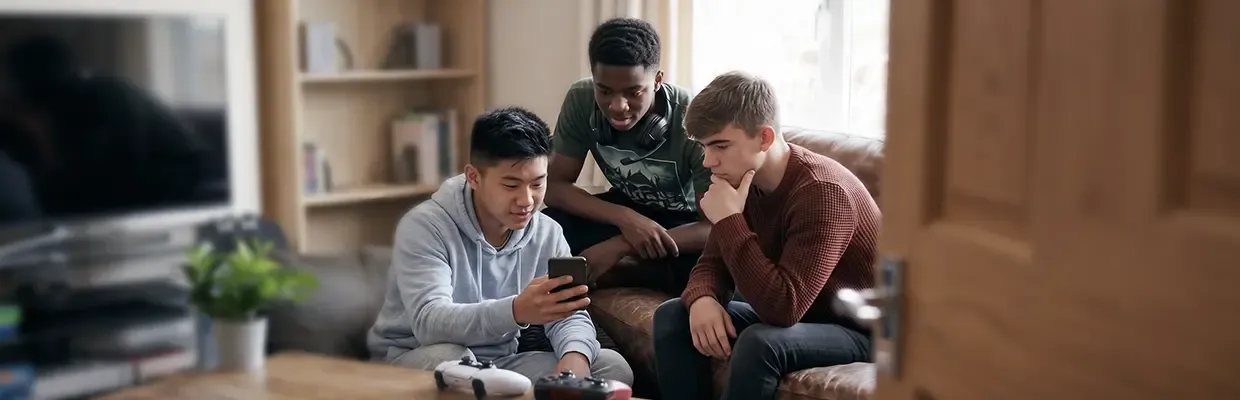
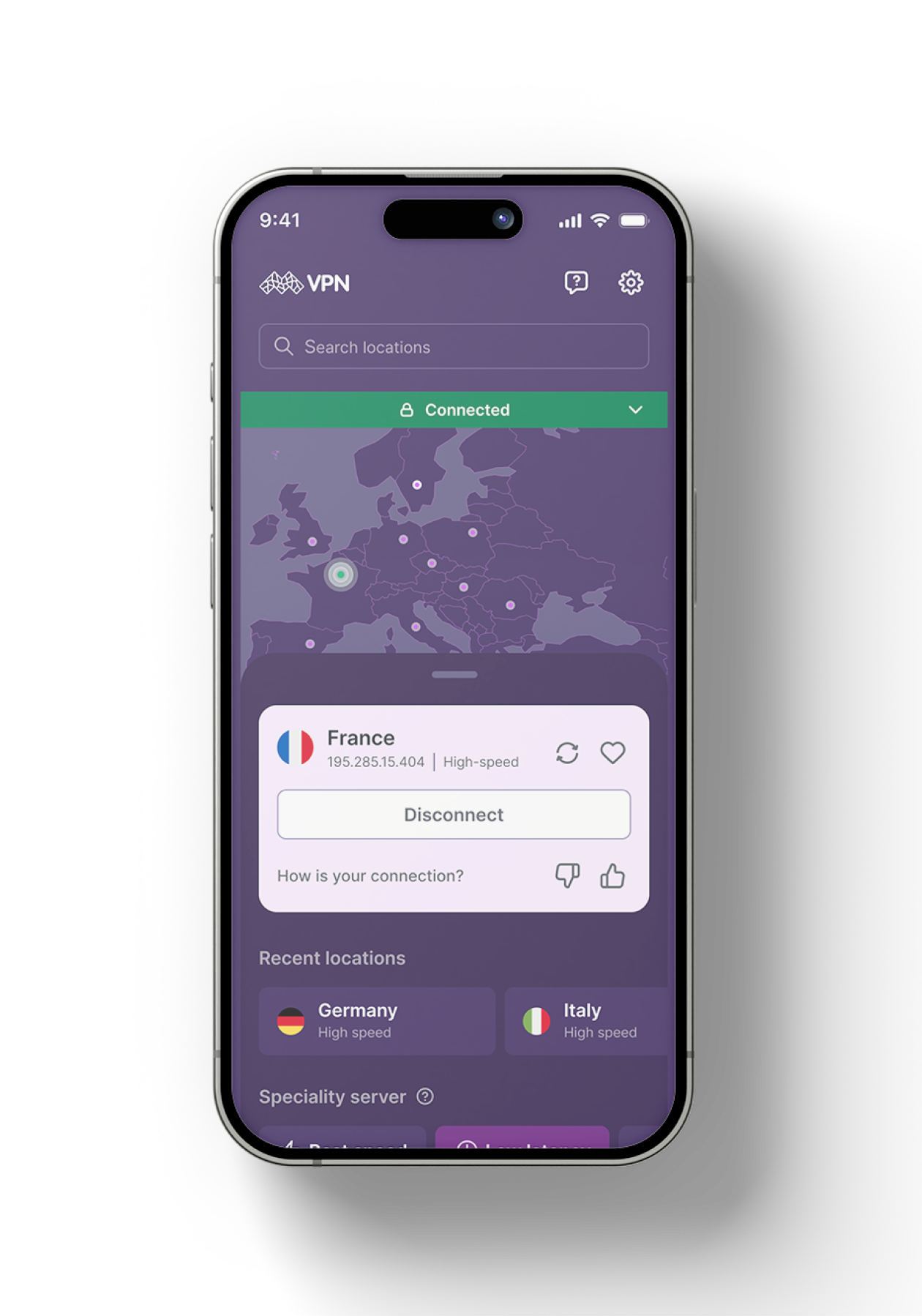
Australia banned social media for under-16s in December 2025. Within a day, teenagers announced they were still there, with VPN downloads spiking and kids borrowing parents' accounts.
The Ban Also Hurts the People It Claims to Protect
There’s another group this conversation tends to forget: women and girls, LGBTQ+ youth, and young people who use online spaces to escape their difficult home environments rather than to absorb radicalization. For a teenager whose parents don't understand who they are, online spaces can be one of the only places they find community.
A BBC report on Khan's speech makes clear the proposed ban would be age-based, not content-based. The kid being radicalized and the kid finding their first supportive community both get locked out, even if one’s getting radicalized and the other one’s getting support.
What Should Actually Happen
Khan does gesture toward better solutions and then buries them. He calls on tech companies to answer for how misogynistic content spreads and demands that algorithms be changed. That is the right conversation, and it gets overshadowed by the ban.
The UK government's own consultation on restricting VPNs earlier this year showed where this logic leads. Ban social media, kids use VPNs, then the government considers banning VPNs. The Massachusetts House voted to ban under-14s from social media in April 2026 on the same logic, with researchers pointing out the evidence base doesn’t support it.
Parents need to engage with what their children are watching. Schools need media literacy programs. Communities need to make young boys feel like they belong with them, not with the manosphere that preys on them. Social media platforms also need to face real consequences for algorithmically amplifying harmful content. Khan's £1 million mentoring package is a much better idea than the ban. He should have led with it.
We Stand for a Free Internet, Not an Unaccountable One
Access restrictions imposed on entire age groups, without evidence that they work and without accounting for the communities that depend on online spaces, aren’t the answer.
The manosphere is a festering swamp designed to exploit young men's loneliness. Cutting boys off from social media doesn’t drain that swamp. It just moves the radicalization somewhere harder for parents and guardians to see.
Hold the social media platforms accountable. Support parents and communities. Give boys better options. Tell them you love them. But don’t ban them from the internet. That’s not a solution. It’s giving up.


Be part of the resistance, quietly.
Get Mysterium VPN
Gintarė is a cybersecurity writer at Mysterium VPN, where she explores online privacy, VPN technology, and the latest digital threats in editorial pieces. With hands-on experience researching and writing about data protection and digital freedom, Gintarė makes complex security topics accessible and actionable.
Related Articles
.png)