Meta's "Child Safety" Bill Is Really About Meta's Safety


Key Takeaways
- Meta is lobbying Congress for legislation that would shield it from lawsuits filed by families whose children were harmed on its platforms.
- The proposed federal standard would likely override existing stricter state-level protections.
- Hundreds of child harm lawsuits are currently pending against Meta, giving the company a direct financial motive to seek legislative protection.
- Critics argue the move follows a familiar pattern: tech companies framing legal immunity as consumer protection whenever they face real accountability.
Let me be direct with you: when a company with hundreds of pending child harm lawsuits starts lobbying Congress for "child safety" legislation, you should be suspicious. I know I am.
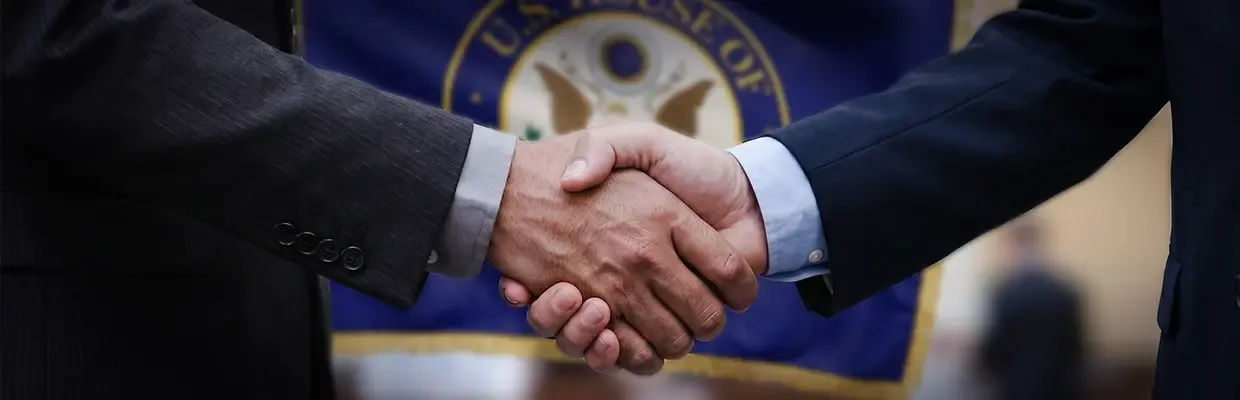
That's exactly the situation we're in right now. According to a Reuters report from June 18, 2026, Meta is actively pushing lawmakers on Capitol Hill to pass federal legislation that would (in the company's framing) protect children from online harm.
What the bill would actually do is make it significantly harder for families to hold Meta accountable when that harm happens. This isn't child safety reform. It's damage control with a PR makeover.
What Meta Is Actually Asking For
The core ask is a federal legal standard for child safety online. On the surface, that sounds reasonable. A nationwide standard could theoretically create consistency across states. But here's the problem: a federal law would almost certainly preempt the tougher protections that individual states have already passed.
States like California, New York, and Arkansas have pushed forward with their own legislation targeting how platforms like Instagram and Facebook can interact with minors, restricting addictive design features, limiting data collection on children, and, in some cases, creating new legal pathways for families to sue.
A federal standard, especially one written with Meta's input, would set a ceiling, not a floor. It would wipe out what states have already built.
We've seen this playbook before. The tobacco industry spent decades lobbying for federal standards that would override stricter state rules. The credit card industry did it. Pharmaceutical companies have done it. "Let us help write the federal law" is almost always a strategy to avoid the more aggressive local ones.
The Lawsuits Behind the Lobbying Push
To understand why Meta wants this legislation so badly, you need to know what's waiting for them in court.
There are currently hundreds of lawsuits pending against Meta from families whose children experienced serious harm after using Instagram and Facebook. These cases allege everything from eating disorders and self-harm to sexual exploitation and suicide. Many have been consolidated into a federal multi-district litigation (MDL) case in the Northern District of California.
These aren't nuisance suits. They're backed by internal Meta documents (many of them leaked by whistleblower Frances Haugen back in 2021) that showed the company knew they were harmful to teenage girls and chose their bottom line over kids’ safety anyway. The legal exposure is enormous, and Meta knows it.
So what do you do when you're facing a generation's worth of lawsuits? You try to change the rules of the game. You go to Congress and tell them you want to be part of the solution. You propose legislation that, coincidentally, would make it much harder to sue you.
I don't think that's cynical. I think that's just the math.
This Isn't the First Time Big Tech Has Done This
We need to talk about Section 230, because it's the foundation that makes all of this possible.
Section 230 of the Communications Decency Act, passed in 1996, gives internet platforms broad immunity from liability for content posted by their users. It was written when the internet looked nothing like it does today, when "platform" meant a bulletin board, not an algorithmically supercharged attention-span-destroying super machine. The law has been stretched far beyond what its authors intended, and Big Tech has fought tooth and nail to preserve it every single time reform has come up.
There have been genuine attempts to fix this. The Kids Online Safety Act (KOSA) went through multiple rounds of revision and debate. The EARN IT Act aimed at platforms that failed to prevent child sexual exploitation. None of these passed in a form that meaningfully changed the underlying liability structure.
Each time, tech companies mobilized lobbyists, funded think tanks, and argued that holding them legally liable for harm would "break the internet." It's a compelling argument if you don't think too hard about it.
But when you do think about it, you realize that every other industry, from pharmaceutical companies to car manufacturers to food producers, is held legally accountable when their products harm people, especially children. There's no reason why software should be different.
Meta's current push fits neatly into this history. They're not trying to end the pattern. They're trying to extend it.
What a Real Child Safety Bill Would Look Like
Here's the thing: actual child safety legislation isn't complicated to imagine. It just requires putting children's interests first instead of the platform's.
A real bill would give parents and children independent legal standing to sue when platforms knowingly deploy harmful design features targeting minors. It would require algorithmic transparency — so we could actually see how Instagram decides what a 13-year-old's feed looks like. It would ban the collection of behavioral data from children under 16 without explicit, informed consent that doesn't come buried in a 40-page terms of service. It would hold executives personally accountable, not just the company, when they've been warned about harm and done nothing.
None of that is radical. All of it has been proposed in various forms. And all of it has been watered down or killed, often with the help of the very companies it was designed to regulate.
The version Meta is lobbying for would do none of those things. It would create a federal standard that Meta had a hand in writing, enforced by regulators who've historically been outgunned and underfunded when it comes to taking on Silicon Valley, and it would preempt the state-level laws that were actually starting to bite.
Why This Matters for the Rest of Us
I write about internet freedom for a reason. It matters to us at Mysterium VPN because we believe the internet should be a tool for people, not a tool used on people. What's happening here is a version of something we talk about a lot: the gap between who the internet is supposed to serve and who it actually serves.
Platforms like Meta are privately owned infrastructure that billions of people depend on. When those platforms cause harm, the normal mechanisms of accountability (lawsuits, regulation, competition) are systematically weakened by the same companies that caused the harm in the first place.
Children are the most obvious victims here because the harm is so visible and so well-documented. But the underlying dynamic affects everyone who uses the internet. The data practices that fuel Meta's advertising machine, like behavioral profiling and the endless optimization for engagement over well-being, don't stop at age 18. They're just more politically convenient to talk about when the victims are children.
So when Meta frames this lobbying push as "protecting kids," I want you to ask the same question I always ask: Who does this actually protect? Who wrote it? Who benefits? Who gets left out? In this case, the answers are pretty clear. And they have nothing to do with your kids.


Be part of the resistance, quietly.
Get Mysterium VPN
Gintarė is a cybersecurity writer at Mysterium VPN, where she explores online privacy, VPN technology, and the latest digital threats in editorial pieces. With hands-on experience researching and writing about data protection and digital freedom, Gintarė makes complex security topics accessible and actionable.
Related Articles
.png)