Why Do You Need a VPN?
Mysterium VPN was built to give you back the online privacy you deserve. If you don’t think you need a VPN, we urge you to think again.
- Your data deserves protection from leaks and breaches.
- Your connection should be secure on every Wi-Fi network.
- Your access to the internet shouldn’t have borders.
Privacy and Having Something to Hide – Different Things
Having nothing to hide and maintaining online privacy are two completely different things. Privacy isn’t about hiding wrongdoing; it’s about control and ownership over your digital life.
You lock your front door not because you’re doing something illegal inside, but because you value your personal space. You don’t share every message, search, or private detail with strangers; not because it’s suspicious, but because it’s yours. The same applies online.
Without protection, your browsing activity, location data, and habits can be tracked, stored, analyzed, and sometimes even sold. Not because you’re being singled out, but because that’s how much today’s internet works.
The more your data circulates around, the more likely it is to end up in places you didn’t intend, whether through leaks, breaches, or misuse. Over time, even small pieces of information can build into a detailed picture of who you are.
Using a VPN doesn’t mean you’re hiding something. It means you’re reducing exposure and staying in control over how your data is shared. It’s not about expecting the worst; it’s about choosing to protect yourself in an environment where your data matters more than you.
Data Leaks
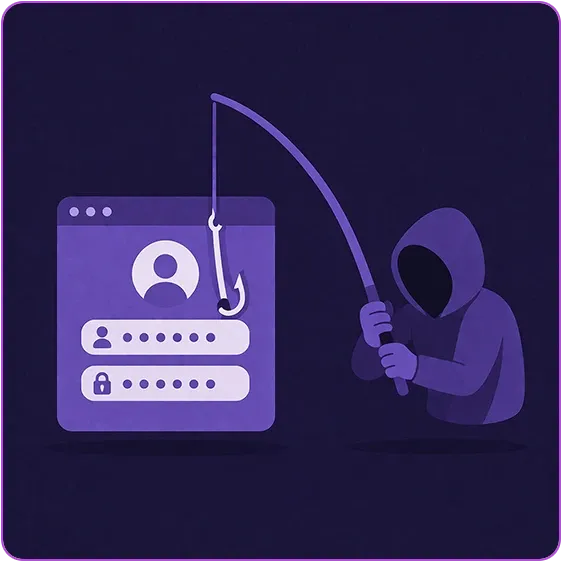
Some data breaches are virtually painless, only leaking your email and an old password. Others can have severe consequences on your actual life. Take the 2025 Tea app incident.
The app was designed to help women share their dating experiences and stay safe. Instead, a major breach exposed sensitive user data, including driver's licenses, DMs, selfies, and government IDs.
What followed wasn’t just a technical failure; it became a real-world problem. The breached data was quickly picked up and spread across misogynistic online communities, and the affected women were targeted, harassed, and publicly exposed.
A VPN won’t eliminate data breach risk entirely, but it’ll reduce your exposure and make it harder for incidents like this to seep into your life. Using a VPN hides your IP and encrypts your online activity, so none of it can be tracked back to you.
ISP Tracking
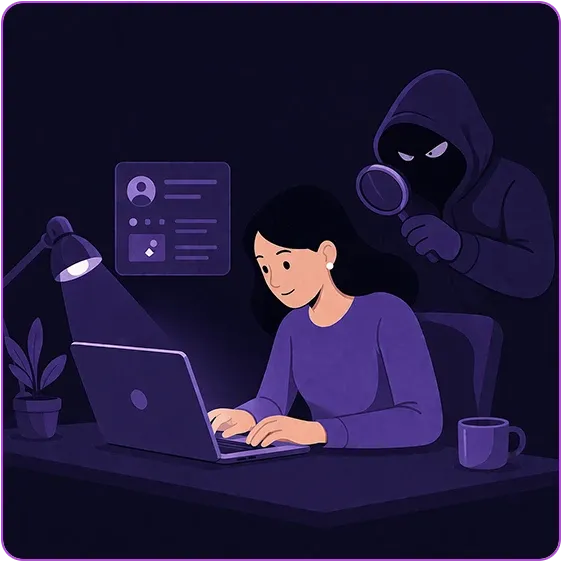
Your internet service provider (ISP) is the middleman between you and the internet, so it tracks you more than most people realize.
Your ISP can see which websites you visit, when you visit them, and how long you stay there. In some countries, this data can be logged, analyzed, or shared with third parties upon request.
This isn’t about someone actively watching your every move. It’s about continuous, passive visibility into your online behavior. Over time, that visibility builds a detailed picture of your routines, interests, habits, and patterns.
This kind of tracking directly affects your experience. One example is ISP throttling. Many gamers notice sudden speed drops during online matches, especially during peak times. This happens because ISPs notice your high-bandwidth activities, like gaming, and intentionally slow them down to manage network load.
Using a VPN changes that dynamic. Instead of your online activity going directly through your ISP, it’s routed through an encrypted tunnel. Your ISP can still see that you’re connected to the internet, but not what you’re doing within it.
Data Selling
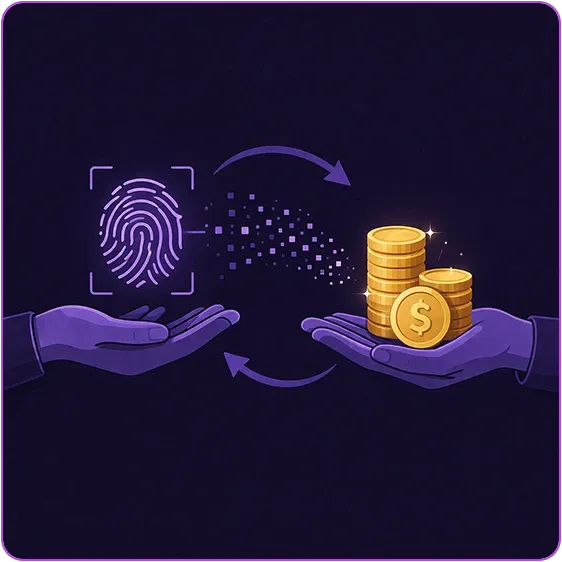
If something online is free, you’re the product. Most online platforms today are built on this exact model. They offer free access, but in exchange, they collect and monetize your data.
Take Meta, for example. Through platforms like Facebook and Instagram, it tracks what you like, what you click, how long you look at something, where you are, and how you interact with others. Over time, this builds an extremely detailed profile of who you are. That profile is then used to sell targeted ads and shared across a wider advertising ecosystem.
If you want to limit this tracking, the responsibility is pushed back onto you. Some platforms are starting to introduce paid subscription options to reduce ads or tracking, but that only applies within that single platform. A VPN takes a different approach.
Instead of opting out of one service at a time, a VPN reduces the amount of data collected about you across the internet as a whole. Masking your IP address, encrypting your activities, and limiting location-based tracking make it harder for companies to build profiles about you. And it does so at a lower cost than paying multiple platforms just to be left alone.
Government Surveillance
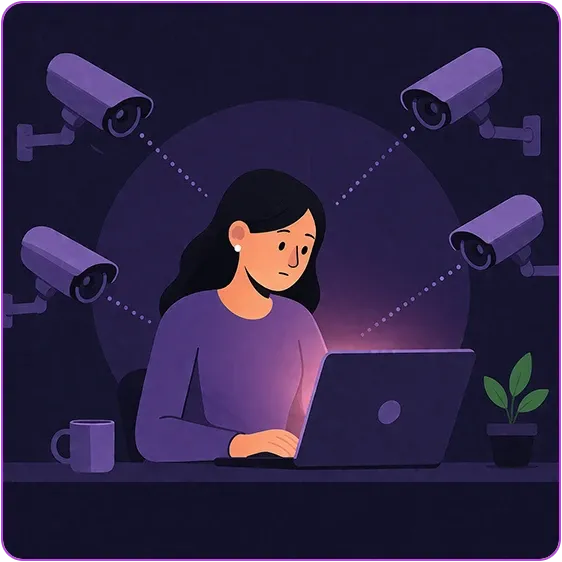
In many parts of the world, internet surveillance has been a reality for years. Governments block platforms, filter information, monitor communication, and in some cases, require people to verify their identity before accessing content. For millions of people, the idea of a fully open internet hasn’t existed for a long time.
What’s changing is where this happens. Restrictions that were once limited to highly controlled environments are now gradually appearing in countries where the internet used to feel open. Age verification laws, content filtering, and broader monitoring measures are being introduced under the premise of safety and accountability.
Individually, these changes may seem reasonable. But together, they shift the internet away from freedom and toward constant identification and oversight. You might not feel affected today, but the direction is clear.
A VPN helps you hold onto that freedom. By encrypting your connection and routing your traffic through different locations, you reduce how easily your activity can be monitored or restricted based on where you are. It doesn’t remove surveillance systems, but it gives you a way to navigate around them and maintain a level of privacy that’s no longer guaranteed by default.
Price Discrimination
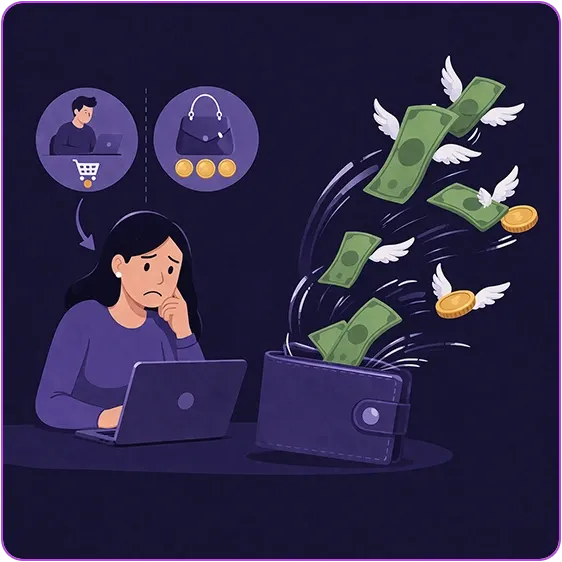
The internet on your phone at home isn’t the same internet someone sees on their laptop in a different country. Prices for international flights, hotels, online subscriptions, and even everyday household products can vary depending on your location, browsing history, or perceived purchasing power.
Two people searching for the same thing can see drastically different prices without even realizing it. That’s called price discrimination, and even if that’s not a household name, it’s been a regular online practise for years. Over time, it means you’re not just browsing the internet; you, as a person, are being categorized and adjusted for, hoping you buy stuff.
Using a VPN empowers you to change your virtual location and see how prices differ across regions. It removes some of the assumptions platforms make about you and gives you a more neutral view of what’s available. It’s a quick way to bring back a bit of fairness and avoid quietly paying more than you need to.
The “Common” Reasons Why to Get a VPN
Beyond long-term risks, there are also simple, everyday reasons why you need a VPN.
-

End-to-end encryption
A VPN encrypts your internet traffic, making it unreadable to anyone trying to intercept it.
-

Protect your entire device
Unlike browser-based tools, a VPN connection secures all internet activity across your apps and system.
-

Avoid ISP throttling
By hiding your activity, a VPN prevents your ISP from slowing down specific types of traffic like gaming or streaming.
-

Prevent monitoring
Browsing with a VPN limits how easily advertisers and other entities can follow your activity across the web.
-

Hide your IP address
It replaces your real IP with another one, totally unrelated to you, making it harder to link your activity back to you!
-

Change your virtual location
When traveling, a VPN empowers you to connect through a server in your home country to view content as if you were physically there.
-

Stay safe on public Wi-Fi
A VPN protects your sensitive data from being intercepted on unsecured networks like coffee shops, malls, schools, offices, airports, or hotels.