Australia Moves to Ban Emotionally Intimate AI Chatbots


Key Takeaways
Australia's digital duty of care bill passed the House of Representatives and now moves to the Senate.
The bill would require platforms, including AI chatbots, to provide a safe online environment and protect users from certain harmful content.
An accepted amendment would ban chatbot behavior that simulates emotional intimacy and encourages a child to depend on it instead of on people.
The bill would also make platforms offer an easy-to-find way to opt out of their recommendation algorithms.
Australia wants to stop AI chatbots from becoming children's best friends. According to reporting by The Guardian, published October 28th, 2026, the government's digital duty of care bill passed the House of Representatives on Wednesday. It now goes to the Senate, where its path is still unclear.
The bill would apply new safety standards to social media, games, apps, and chatbots. It gives platforms a broad duty to keep users safe. It also replaces several older online codes. Communications Minister Anika Wells has said it would cover content promoting misogyny, terrorism, suicide, self-harm, and eating disorders.
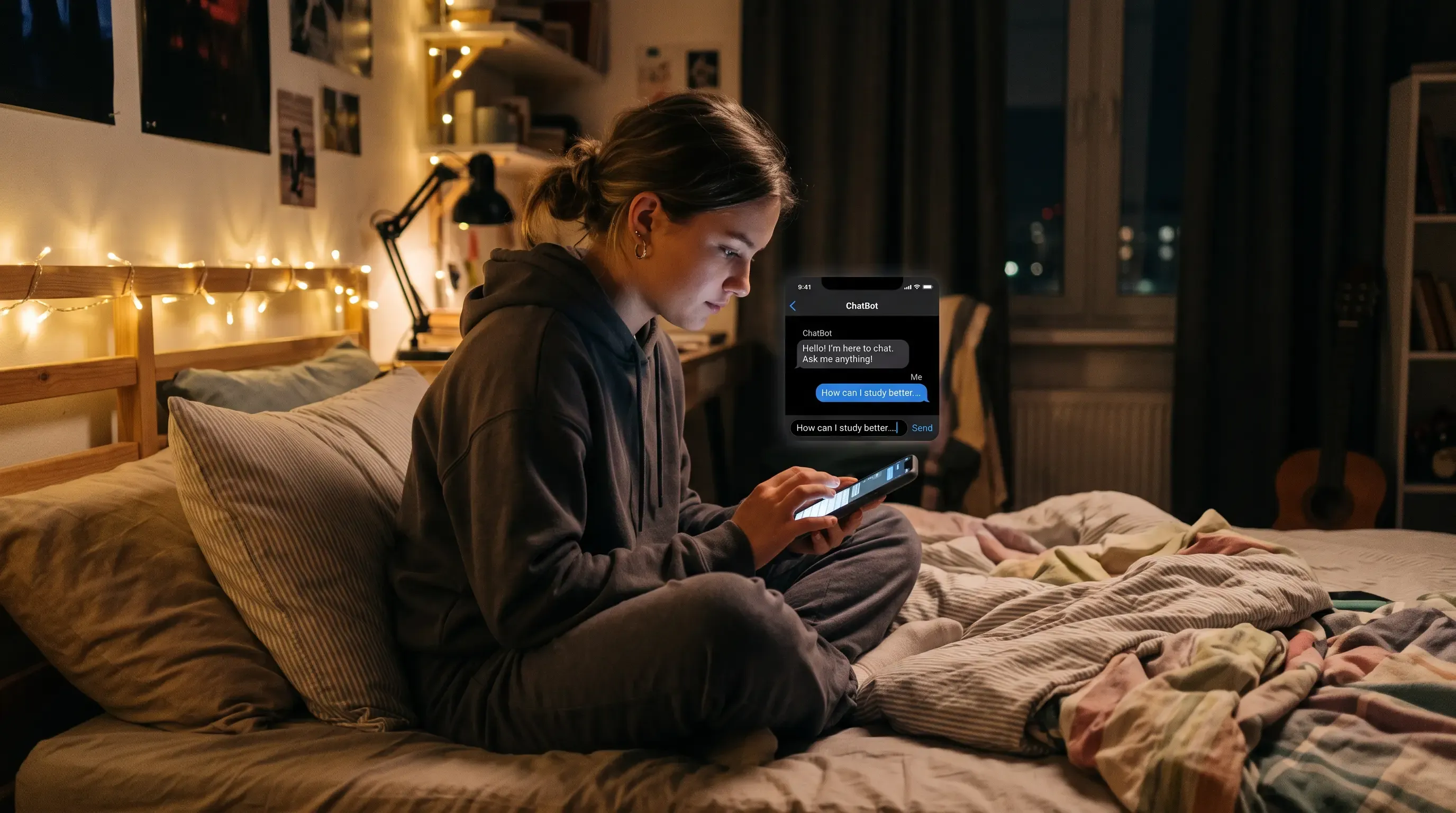
The chatbot rules came from amendments by independent MP Kate Chaney. Platforms would have to ban chatbot behavior that fakes emotional closeness and pushes a child to rely on a bot instead of real people. The night before the vote, Prime Minister Anthony Albanese warned about people treating chatbots as their best friend.
What the Bill Gets Right
Some parts deserve credit. The bill requires social media platforms to let users opt out of their algorithms and suggested content. Another Chaney amendment says that option has to be easy to find and easy to use, not buried in a menu.
That's a real win for users of any age. Choosing what you see, instead of having it chosen for you, is a basic kind of online freedom.
The worry about AI is fair, too. We've covered AI agents hacking Australian government sites, and AI without real oversight can do serious harm. Kids forming deep bonds with software built to keep them talking is worth taking seriously.
Where It Could Go Too Far
The weak spot is how far a duty of care can stretch. Harmful content is a broad label, and the bill leaves platforms to decide what fits. When platforms face legal risk for missing something, they tend to remove more, not less.
The opposition and One Nation voted no. They accused the government of building an Orwellian censorship system. Wells strongly denied it. I don't think the bill is designed as censorship. But a law doesn't have to be designed for censorship to produce it. Vague rules and nervous platforms can get there on their own.
There's also nowhere outside the platforms for users to turn. Cynthia Gebert, the telecom ombudsman, says her office could take complaints about big tech. The government turned down a change that would let it. Without it, people who think a platform got it wrong are stuck with that platform's answer.
Finding the Balance
Australia isn't working on this alone. New York just signed a law banning unsafe AI chatbot behavior with kids, and experts there are already asking where friendly conversation ends and harmful behavior begins.
The Greens have set up a Senate inquiry that's due to report in late November. That's the moment to fix the vague parts. Protecting kids and protecting free expression aren't opposites, and the best version of this bill would do both. I'm eager to see whether senators write it that way.


Be part of the resistance, quietly.
Gintarė is a cybersecurity writer at Mysterium VPN, where she explores online privacy, VPN technology, and the latest digital threats in editorial pieces. With hands-on experience researching and writing about data protection and digital freedom, Gintarė makes complex security topics accessible and actionable.
Related Articles