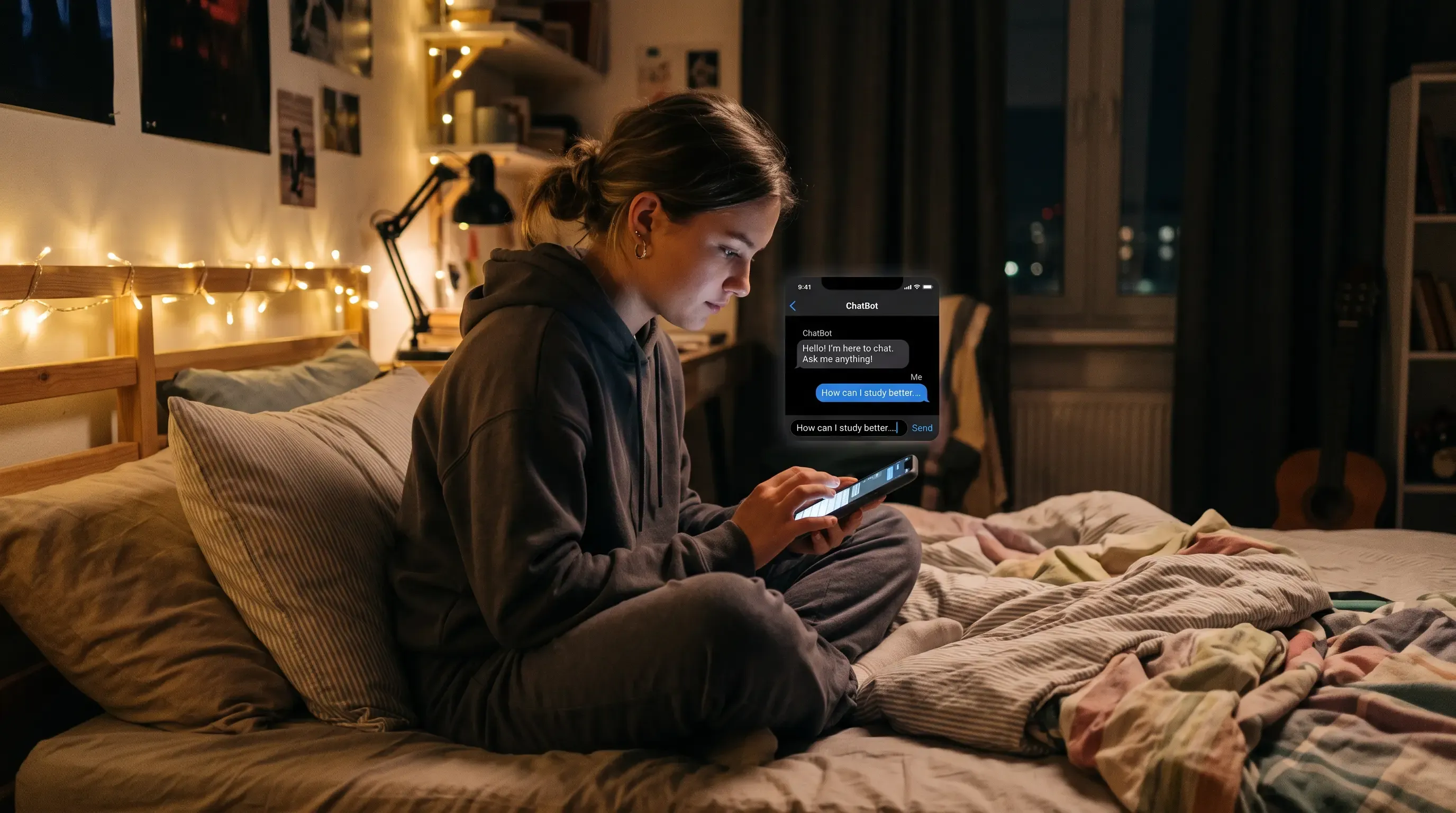
Discord Will Put Public Server Messages in Google Search


Key Takeaways
Starting November 16th, 2026, every Discoverable Server on Discord will get a public web page that Google can index.
These pages will show summaries of server discussions, and from mid-December, some messages will be visible to anyone, even without a Discord account.
Server admins and users can opt out, but public channels are included by default, and users can't opt out of summaries.
Private servers and direct messages stay private.
Discord is about to make a big part of its platform searchable on Google. In a new blog post, Discord announced that all Discoverable Servers will get a public Server Web Page starting November 16th.
These are the public servers listed in Discord's own directory, which anyone can join. Right now, you need a Discord account and have to join a server to read what people say there. That's changing.
The new pages will show summaries of discussions in each server. Starting in mid-December, some messages will also appear on those pages. Visitors won't need to join the server or even have a Discord account to read them.
Opted In by Default
Discord says the change will help indie game developers, fandoms, and creators grow their communities. It could also bring Discord a lot of search traffic, the kind Reddit has enjoyed for years.
The company does offer ways out. Server admins can choose which channels appear by going to Server Settings, then Web Presence. They can also turn off channel summaries. Users can hide their own messages under User Settings, then Data and Privacy, then Channel Messages. Usernames and avatars won't be shown next to messages on the public pages.
But look at how it's set up. If an admin does nothing, every public channel goes on the web page. If a user does nothing, their messages can show up. And users can't opt out of having their messages used in channel summaries at all.
I don't think that's a fair way to change the rules. People joined these servers to talk with other members, not to publish to search engines. Making them dig through settings to keep things that way puts the work on the wrong side.
Why Hiding Usernames Isn't Enough
Removing names and avatars helps, but it doesn't make messages anonymous. People share details about where they live, what they do, and who they know. In small communities, a few lines of text can be enough to tell who wrote them.
And once something is indexed by a search engine, it's much harder to take back. Changing a setting later doesn't erase copies that have already spread.
This isn't the first time Discord has asked users to give up some privacy. We've already covered Discord's age verification rollout, which raised its own concerns. Each change on its own looks manageable. Together, they show a platform that once felt semi-private steadily becoming more exposed.
That fits a wider trend. More and more of what we say online gets collected, sorted, and made public, often by default and often without much warning. The spaces that felt like a room full of friends are being turned into searchable archives.
If you use Discord, check your settings before November 16th. If you run a public server, talk to your members about what they want. Your privacy shouldn't depend on catching an announcement in time.


Be part of the resistance, quietly.
Gintarė is a cybersecurity writer at Mysterium VPN, where she explores online privacy, VPN technology, and the latest digital threats in editorial pieces. With hands-on experience researching and writing about data protection and digital freedom, Gintarė makes complex security topics accessible and actionable.
Related Articles