Austria's Social Media Ban Follows a Tired but Slightly Improved Playbook


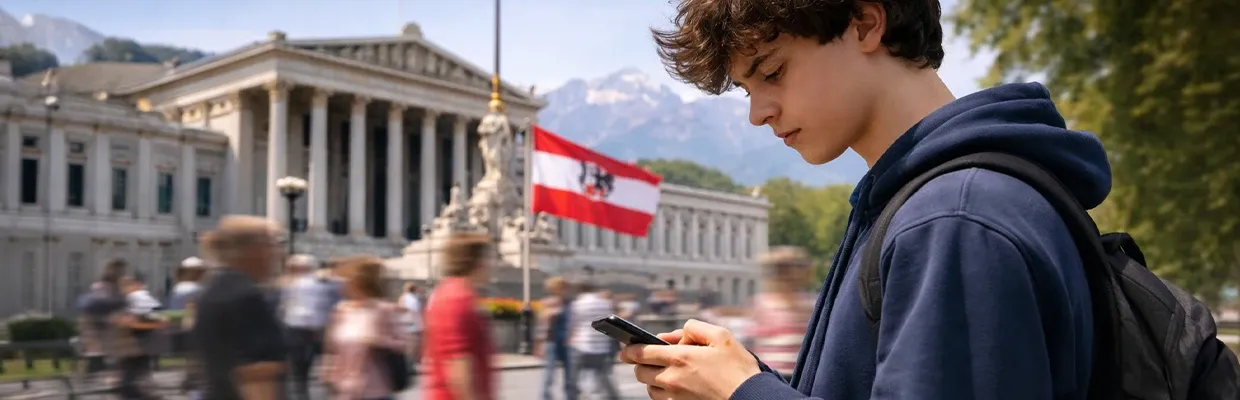
Austria's Vice Chancellor described social media platforms as machines that make children "addicted and often also sick" at last week's press conference. It's the kind of language that reliably precedes a blanket ban. But while it obviously did precede one, it also, unusually, preceded something more useful, too.
On March 27, Austria's three-party coalition announced plans to ban social media for anyone under 14, with draft legislation expected by June. Enforcement would fall on platforms themselves, following Australia's model. But tucked into the same announcement is a new compulsory school subject called "Media and Democracy," designed to teach students how to identify disinformation, recognize manipulation, and understand how viral content shapes public opinion.
The Ban Will Work as Well as Every Other Ban
Austria is not the first nor the last to try to undo years of social media damage with a single blanket ban, which will hardly protect anyone. Indonesia's own social media restrictions came into effect the same week. France, Spain, and Denmark have all announced or passed similar bans in recent months.
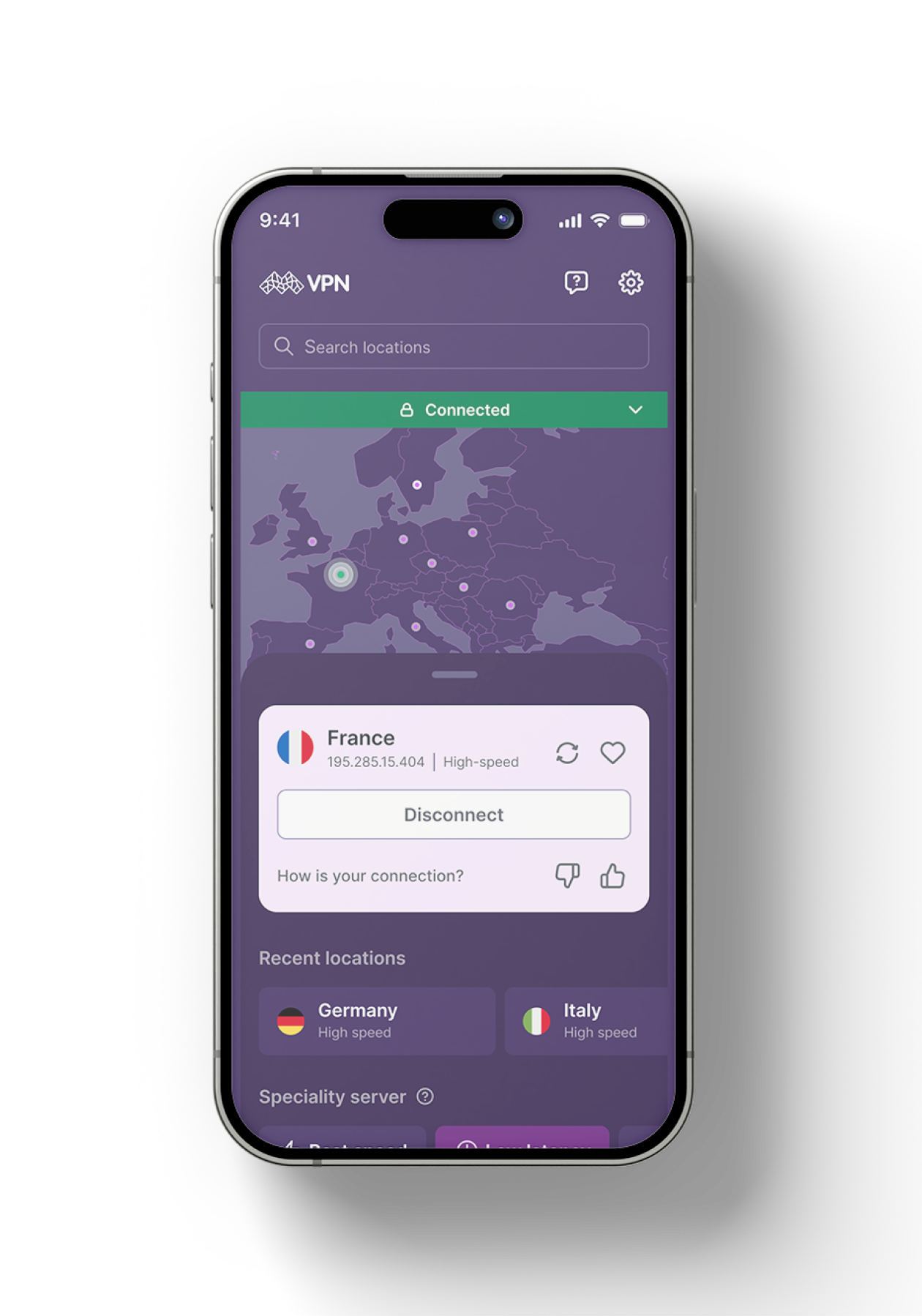
Australian students had bypassed their under-16 ban within days of it taking effect, with age-assurance tools misclassifying users and workarounds proving effective almost immediately. Whenever a country introduces such a ban, the VPN usage spikes by hundreds percent. The obvious reality is that children don't stop using social media because a law says so. They find a different door and keep going as if nothing changed.
Austria's coalition doesn't even have consensus yet on which verification method to use. Government ID uploads, facial recognition, and the country's own eID system are all still being debated, as Austria's January announcement made clear.
Age Verification Is the Real Problem Nobody Names
The framing around these bans almost always focuses on whether children will comply and almost always miss the larger issue. Whatever method Austria chooses, it doesn't just classify under-14s. If platforms must exclude minors, they must identify every other user too, which means verification, data retention, and audit trails at scale.
We’ve already seen plenty of real-life examples where companies collecting IDs for age verification end up being breached and leak all of it into the open. Scale that pipeline to an entire country and you're effectively building a centralized identity infrastructure that is one vendor breach away from a national data disaster.
When kids are pushed off mainstream platforms, they migrate to smaller, less-moderated spaces where monitoring is far harder. The risk simply moves somewhere less visible, as Australia's experience made very clear.
One Part of This Actually Makes Sense
The "Media and Democracy" compulsory subject is a different kind of intervention. Rather than locking children out of platforms until a birthday and then handing them access with no context, it builds skills that travel with them. Teaching young people how to identify disinformation, recognize algorithmic manipulation, and understand how viral content is engineered to provoke a reaction is protection that doesn't expire when they turn 14.
Austria ran a three-week no-phone experiment involving 72,000 pupils before this announcement. Students became genuinely aware of their own excessive consumption during that period. That kind of self-awareness is more durable than any access restriction. A child who can recognize a manipulation campaign is better protected than one who was simply blocked from seeing it for a few years.
Unlike blanket social media bans, which do more harm than good, a mandatory curriculum teaching young people to think critically about media is actually a decent step toward genuine protection. And yet the rest of Europe, France, Spain, Denmark, and the UK, are moving to copy the ban and nothing else. None of them have announced anything like the curriculum, and that is genuinely worrisome.
The Part Worth Copying Is Not the Ban
The ban and the curriculum are not the same idea sharing a press conference. One builds a surveillance infrastructure that will be breached, bypassed, and eventually used for purposes well beyond its stated intention. The other actually educates people and brings much-needed change.
If governments across Europe genuinely want to protect children from disinformation and radicalization, the curriculum is the part worth exporting. The ban is just the part that looks good in a headline. It will not actually solve anything, and at some point, that distinction needs to matter more than it currently does.


Be part of the resistance, quietly.
Get Mysterium VPN
Dominykas is a technical writer with a mission to bring you information that will help you keep your digital privacy and security protected at all times. If there's knowledge that can help keep you safe online, Dominykas will be there to cover it.
Related Articles
.png)