France's Constitutional Council Struck Down the Under-15 Social Media Ban

Key Takeaways
- France's Constitutional Council struck down the law that would have banned social media for under-15s on August 14, ruling it "constitutes an infringement that is neither appropriate, necessary, nor proportionate" to freedom of expression.
- The court found the legislation too broad, failing to distinguish between different types of platforms or the actual risks they pose to children, and raised major concerns about the identity checks required to enforce it.
- The ruling also pauses the French government's planned evaluation of VPN usage — officials had indicated that cracking down on VPNs would be the "next logical step" to prevent teenagers from bypassing the ban.
- President Macron has tasked the Prime Minister with drafting a "legally robust" replacement proposal as quickly as possible, so the fight isn't over.
France's Constitutional Council struck down the law that would have banned social media access for under-15s on August 14, ruling that the legislation severely infringed on fundamental rights, according to reporting by IT Pro. Initially scheduled to take effect in September, the ban was blocked after judges found the government's approach too broad and its enforcement mechanism too invasive.
The Council's ruling was direct: the ban "constitutes an infringement that is neither appropriate, necessary, nor proportionate" to the freedom of expression and communication of young people. The court also found that enforcing the ban would inevitably demand widespread identity checks, constituting a "disproportionate restriction" on freedom of expression and raising major concerns about the legal safeguards needed to protect privacy.
We covered the law when it passed parliament — France was framing itself as the first EU country to enact a social media age ban, with every user in France required to verify their identity to access platforms. The Constitutional Council has now said that framing wasn't protection. It was a disproportionate restriction.
What the Court Found
The ruling's two core arguments are worth sitting with, because they map almost exactly onto the criticisms we raised when the law passed.
First, the court found the legislation failed to distinguish between different types of platforms or the actual risks they posed to children. This is the proportionality problem: a blanket ban applied equally to every social media platform, regardless of what the platform does or what evidence exists about harm to minors, doesn't pass constitutional muster. The government was treating all platforms as equally dangerous and applying the same sweeping restriction to all of them.
Second, the court raised major concerns about the identity checks required to enforce the ban. To verify that every user is over 15, platforms would need to collect identity data from every user — adults included. The Council found this creates a privacy burden on the entire population that is not justified by the stated goal of protecting a subset of it.
These are the same arguments that courts in the United States have raised in blocking age verification laws in Nebraska, Texas, and other states. Courts across different legal systems are converging on the same conclusion: overbroad age verification requirements that collect identity data from everyone to exclude some people don't survive scrutiny under free expression and privacy frameworks.
What's Coming Next
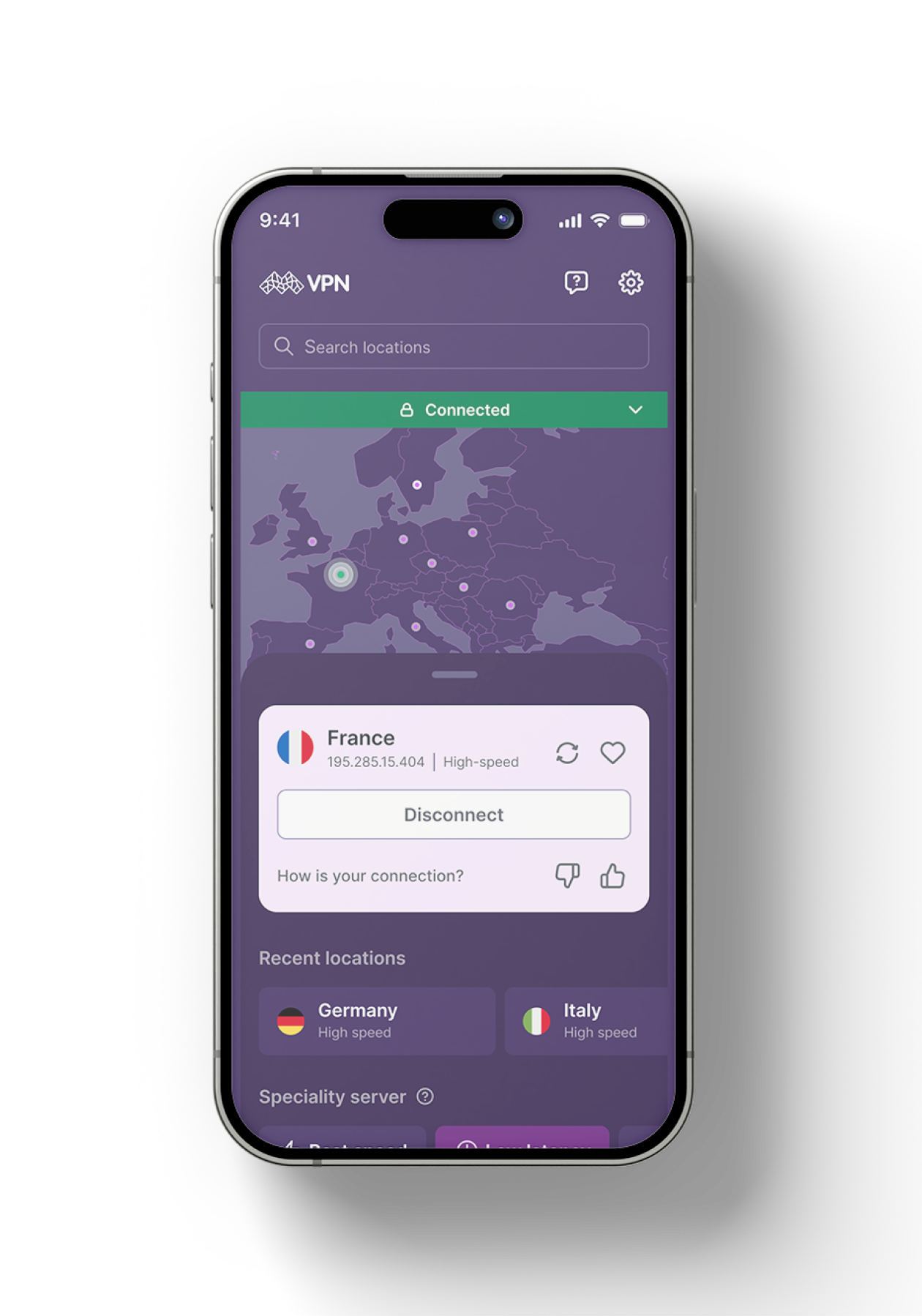
One significant downstream effect of the ruling: it pauses the French government's planned evaluation of VPN usage. French officials had stated that cracking down on VPN providers would be the "next logical step" to prevent tech-savvy teenagers from bypassing the social media block. Without the foundational ban, that regulatory momentum has stalled.
This is a pattern we've seen in the UK as well — where the government ultimately ruled out banning or age-gating VPNs after its own evidence review found insufficient justification. In both cases, the threat to VPN access was downstream of the social media ban. Remove the ban, and the threat to privacy tools retreats with it. For now.
President Macron made clear he's not abandoning the policy. He told the Associated Press he has tasked Prime Minister Sébastien Lecornu with working "as quickly as possible on a legally robust proposal that takes into account the decision of the Constitutional Council as well as the European legal framework." So a new version of this law is coming — the question is whether it can be narrowed enough to survive another constitutional challenge.
The Constitutional Council's ruling is the right outcome. Not because protecting children online doesn't matter, but because a law that requires every adult in France to submit identity documentation just to log onto a social media platform isn't proportionate child protection — it's population-wide identity verification with child safety as the justification. The court said so. That clarity is genuinely useful, and the government's next attempt will have to contend with it directly.


Be part of the resistance, quietly.
Gintarė is a cybersecurity writer at Mysterium VPN, where she explores online privacy, VPN technology, and the latest digital threats in editorial pieces. With hands-on experience researching and writing about data protection and digital freedom, Gintarė makes complex security topics accessible and actionable.