- Blog >
- News >
- London's Facial Recognition Trial Scanned Half a Million People and Arrested None of Them
London's Facial Recognition Trial Scanned Half a Million People and Arrested None of Them


Key Takeaways
- A six-month British Transport Police live facial recognition trial at London railway stations scanned more than 500,000 faces between February and July 2026, produced one alert — which turned out to be a false match — and led to zero arrests directly from LFR alerts.
- The trial cost more than £320,000 and consumed almost 100 hours of police officers' time, according to a freedom of information document obtained by Liberty Investigates and The Guardian.
- Despite these results, the trial is being extended for a further four months, with deployments expanded to include London Underground stations.
- Since the extension began, BTP has reported three positive alerts of people confirmed to be complying with sexual harm prevention orders — but no arrests from LFR matches.
- Parliament's joint committee on human rights has called the rollout of live facial recognition a "particularly clear example of risk," and a Labour MP has called for suspension until stronger safeguards and a legal framework are in place.
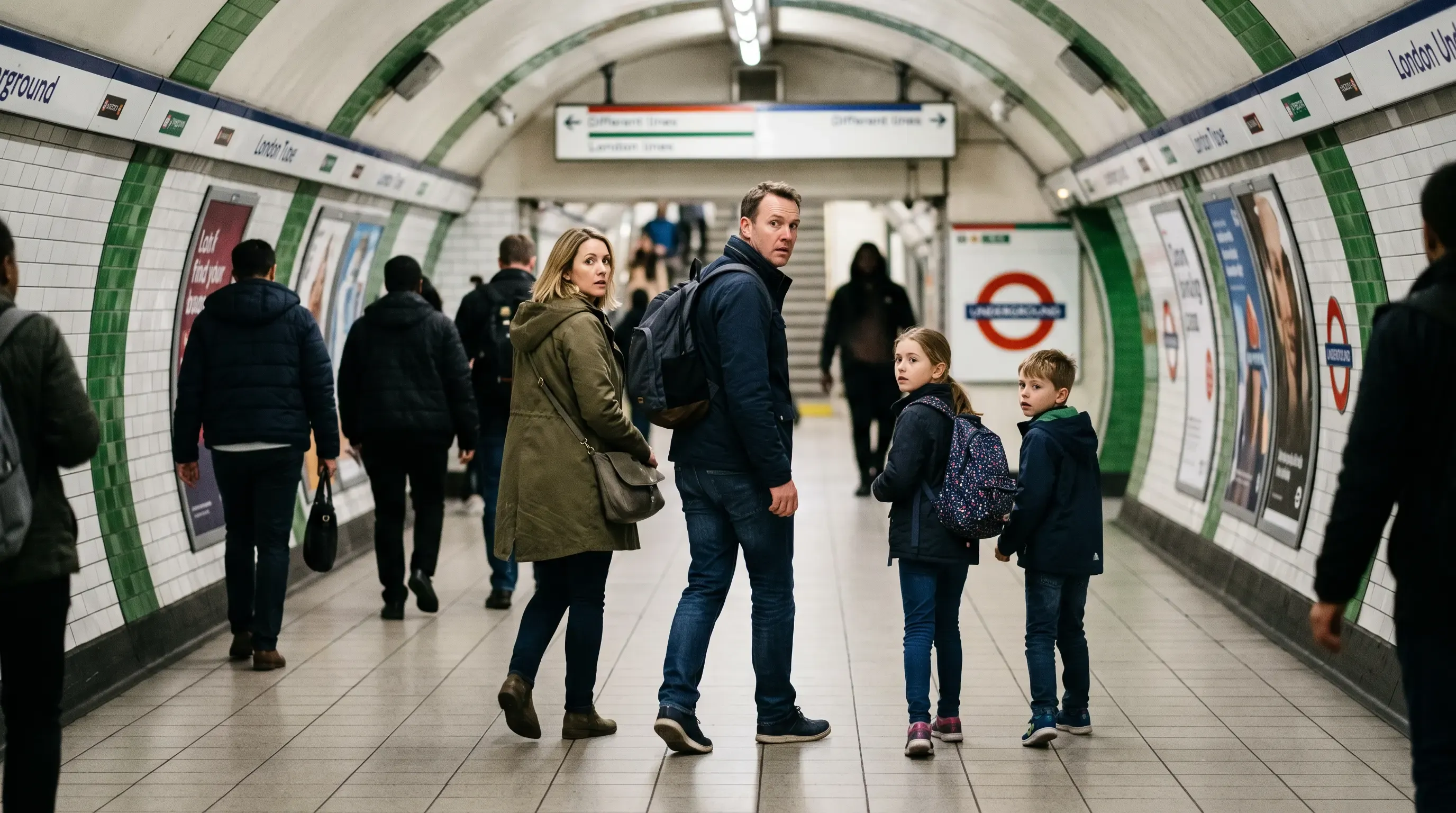
According to a freedom of information document obtained by Liberty Investigates and The Guardian, the British Transport Police's six-month live facial recognition trial at London railway stations scanned more than 500,000 faces and produced exactly one alert against its watchlist of suspects. That alert was a false match — an incorrect identification. No arrests resulted directly from any LFR alert during the entire trial period.
The trial ran between February and July 2026, cost more than £320,000, and took up almost 100 hours of police officers' time. Those numbers now have a return to measure against: zero confirmed identifications, one false positive, and a technology that generated work for officers without producing a single arrest it can claim credit for.
We weren't surprised. When BTP expanded live facial recognition to the London Underground in September — rotating cameras through Victoria and other stations until November — we wrote that the technology being expanded had, by its operators' own accounting, not produced a single arrest.
We noted that the BTP's "alternative route" opt-out is framed as a privacy protection but makes non-participation visible and effortful, that the confidence threshold for a match and the threshold for police action are two different standards, and that the pattern of how LFR gets normalized is the same everywhere: a trial, official safeguards, a privacy backlash, incremental expansion. The FOI figures confirm what that pattern produces.
BTP's response is also predictable. The force said officers made "a number of associated arrests" during the pilot — for assault, theft, possession of an offensive weapon, breach of a criminal behavior order, and public order offences — while noting that "as these arrests did not result directly from an LFR alert, they are not included within LFR performance data." That framing separates arrests made by police officers doing their jobs from arrests attributable to the facial recognition system. On that measure, the system contributed nothing.
The Trial Is Being Extended Anyway
The response to six months of no results isn't reconsideration. The trial is being extended for a further four months, with deployments expanded to the London Underground. Transport for London said the technology would "specifically tackle violence against women and girls, whose travel behaviours are shaped by experiences of sexual harassment and sexual offences." Since the extension began, BTP has reported three positive alerts — identifying people confirmed to be complying with their court conditions, not people who needed to be arrested.
Fraser Sampson, a non-executive director of Facewatch — a company that operates facial recognition in retail settings — noted the gap plainly: "Success for the police trying to catch people means people being caught. In that respect, the trial doesn't appear to have been very fruitful." That assessment comes from someone in the facial recognition industry, not a critic of it.
Parliament's joint committee on human rights — whose report we covered earlier this month, which called for a dedicated AI bill, a statutory oversight body, and an outright ban on facial scanning without consent — described the rollout of live facial recognition as a "particularly clear example of risk." That report named LFR as a clear rights concern before these trial figures were public. The trial figures confirm it. Labour MP Bell Ribeiro-Addy called for the rollout to be suspended "until there are stronger safeguards in place, including a proper legal framework."
The Number That Matters
The number that should anchor this story isn't the zero arrests. It's the 500,000.
Half a million people had their faces scanned by a police system without being suspected of anything, without consenting, and without any outcome that justified the scan. The system checked each of them against a watchlist and found nothing — except once, when it found the wrong person. The question the expansion raises isn't whether the technology can be made more accurate. It's whether running a sweep on half a million people who've done nothing wrong is acceptable even when it works.


Be part of the resistance, quietly.
Get Mysterium VPN
Gintarė is a cybersecurity writer at Mysterium VPN, where she explores online privacy, VPN technology, and the latest digital threats in editorial pieces. With hands-on experience researching and writing about data protection and digital freedom, Gintarė makes complex security topics accessible and actionable.
Related Articles
.png)