Meta Expands Instagram's AI Age Guessing Worldwide

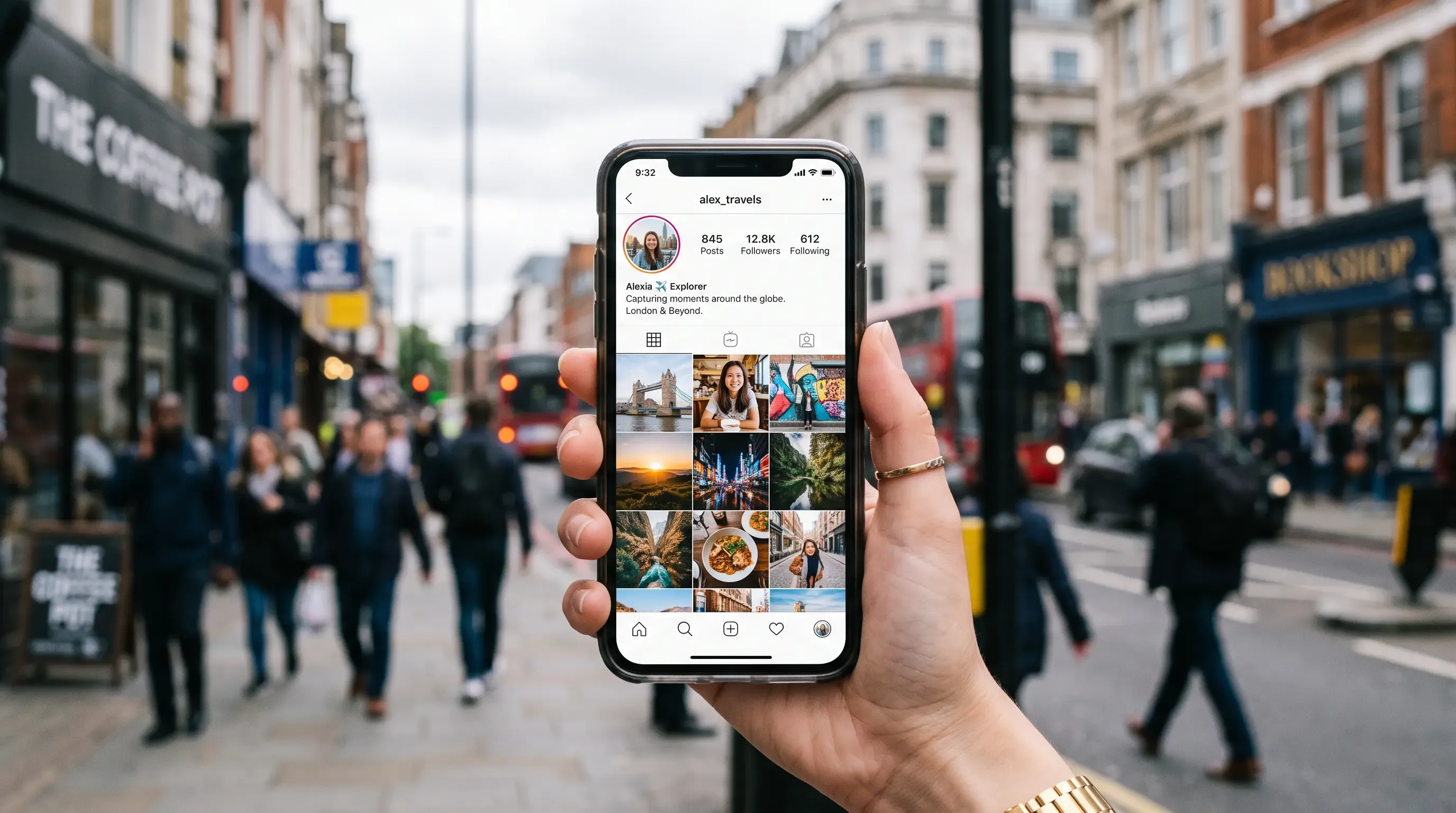
Instagram is about to get much more curious about how old you are. In an announcement on Meta's newsroom, published November 9th, 2026, the company said it's expanding its AI age-estimation technology to Instagram users around the world.
The goal is to find people Meta suspects are teens, even if they signed up with an adult birthday, and place them in Teen Accounts. Those accounts limit who can contact a teen, what content they see, and how long they spend on the app.
Meta says the technology is still rolling out on Facebook and will come to Threads later this year. In Australia, it's also using Apple's age-range signal, which lets a phone tell apps whether a teen meets their age requirement.
How the AI Decides Your Age
According to TechCrunch, Meta's tools analyze whole profiles for clues. That includes birthday celebrations, mentions of school grades, and signals in posts, comments, bios, and captions. The system also looks at photos and videos for visual cues like a person's height or bone structure.
Think about what that means. To find the teens, the AI has to look at everyone. Your captions, your comments, and your face all become evidence in a guess about your age.
Meta frames this as better than asking everyone for a government ID, and on that narrow point, it has a case. Uploading a passport to scroll Instagram would be worse. But a system that reads your posts and studies your body to sort you into a category isn't private just because it skips the ID.
There's also the question of mistakes. What happens to an adult the AI decides looks young? Neither source explains how an adult would challenge that decision.
The Pressure Behind It
This didn't come out of nowhere. TechCrunch notes that in August, Meta reached settlements with nearly every US state and territory over claims that its platforms harm teens. As part of that deal, Meta agreed to improve how it identifies teens and children under 13.
Meta also used the announcement to push its preferred fix. It says it has long supported laws requiring app stores to verify age and get parental consent, with one verified signal shared with every app. It even called on TikTok and YouTube to adopt the same practices.
That's a company handing the hardest part of the job to someone else. It's also the same idea behind Florida's plan to make app stores check every user's age. Verification at the device level doesn't remove the check. It just moves it to the phone, where it follows you into every app.
Everyone Gets Checked
Protecting teens matters, and I don't doubt that some of them lie about their birthday. But every approach on the table now treats the whole user base as suspects. Either you hand over an ID, or an AI reads your life for clues, or your phone vouches for you to every app you open.
Each step makes being anonymous online a little harder. Each one is sold as a small fix for one platform, and together they add up to an internet where your age, and a lot more, is always known.
Pay attention to how these systems spread, and ask what they collect to reach their guess. The teens are the reason given. Everyone else is the price.


Be part of the resistance, quietly.
Gintarė is a cybersecurity writer at Mysterium VPN, where she explores online privacy, VPN technology, and the latest digital threats in editorial pieces. With hands-on experience researching and writing about data protection and digital freedom, Gintarė makes complex security topics accessible and actionable.
Related Articles