When Safety Filters Remove the Support Too


Key Takeaways
- For many people, online communities aren’t a supplement to mental health support. They’re the only support that exists within reach.
- Age verification systems and automated content moderation routinely remove or wall off the resources people rely on, including peer support spaces, LGBTQ+ communities, and public health information.
- When the UK's age verification rules took effect, forums covering LGBT+ issues, journalism, and public health were among those caught by overbroad application.
- Safety systems get evaluated on what they block. They are almost never evaluated on who they cut off.
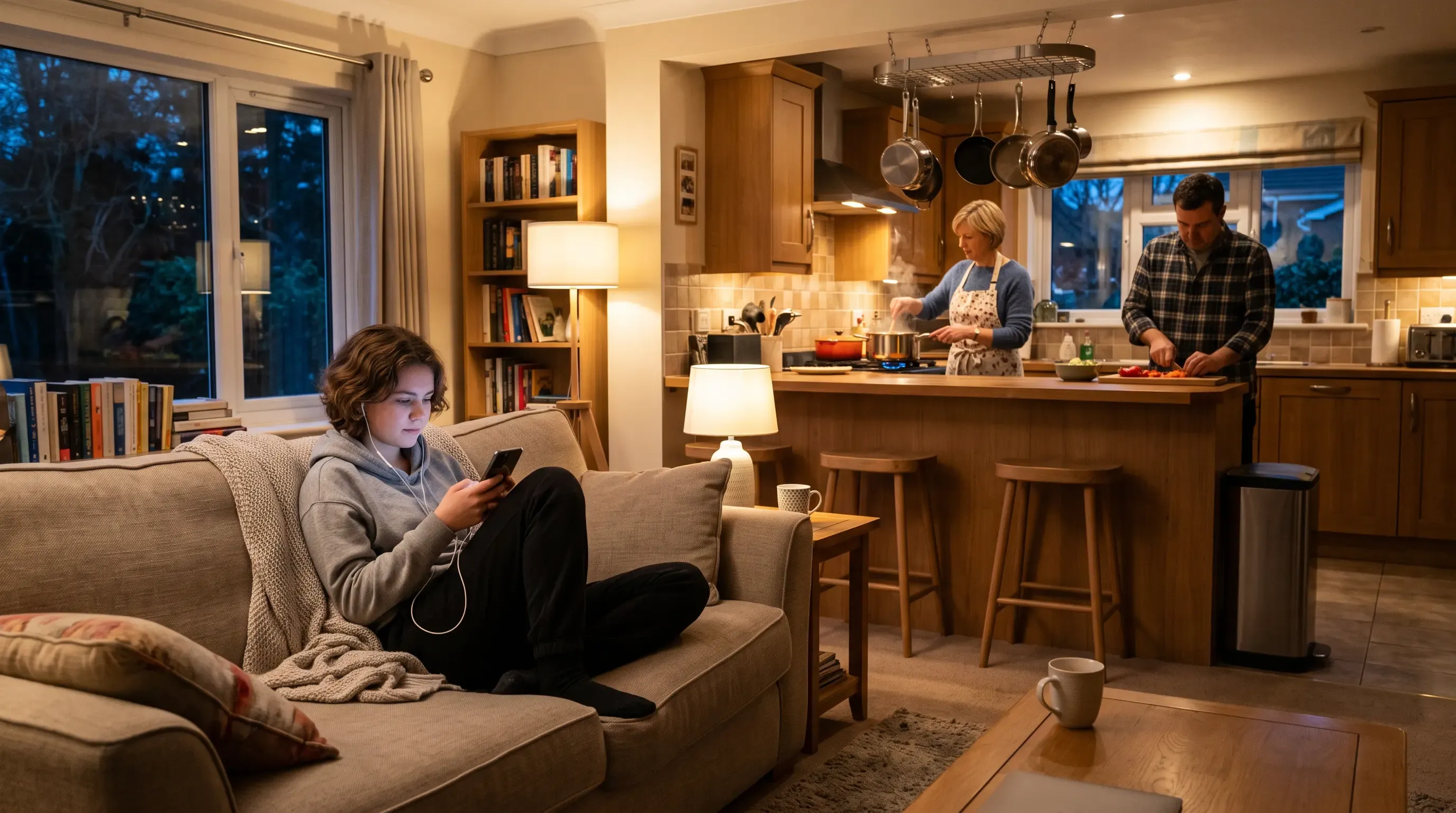
There's a version of online life that policy conversations rarely account for. Someone lives in a town with no counselor, or a household where they can't share what's happening, or a country where the thing they're dealing with is stigmatized, criminalized, or both. The people who understand their situation aren’t nearby. They're online.
That arrangement isn’t ideal, and nobody designed it that way. It's simply what exists. For a significant number of people, an internet forum, a group chat, or a community built around a shared experience is the entire support structure, and it functions as infrastructure whether or not anyone has classified it that way.
World Suicide Prevention Day is today, September 10th. The conversation around it usually focuses on improving services and funding, as well as raising awareness, all of which matter. What gets less attention is that a growing number of the rules governing the internet quietly remove the support people were already using.
Where Support Actually Lives
The reason online communities matter so much for mental health comes down to a few practical facts.
They're available at three or five o’clock in the morning, which is when a lot of people need them. They're populated by others who have lived the same thing, which is a different kind of help than professional care and often more immediately useful. They don't require insurance, a referral, extra costs, a waitlist, or a car.
When I was a miserable, depressed teenager, my favorite content creators on YouTube and my favorite artists on Spotify were all readily available to me 24/7. I could share my feelings in forums and comment sections. I could listen to my favorite songs late at night when I couldn’t sleep, and I could watch YouTube videos on my phone in the library with my 5€ wired headphones while hiding from the bullies at school.
Were some of the jokes in the videos appropriate to a 13-year-old? Not exactly. Did some of the songs I listened to feature swear words, or describe more sensitive topics? They sure did. Here comes the but. But they made me feel less alone. They gave me a sense of community when I felt like I had none. They helped me realize that other people are going through similar things, and that, ultimately, we’re all going to be okay. I had the luxury of a supportive online environment. That luxury is gone nowadays.
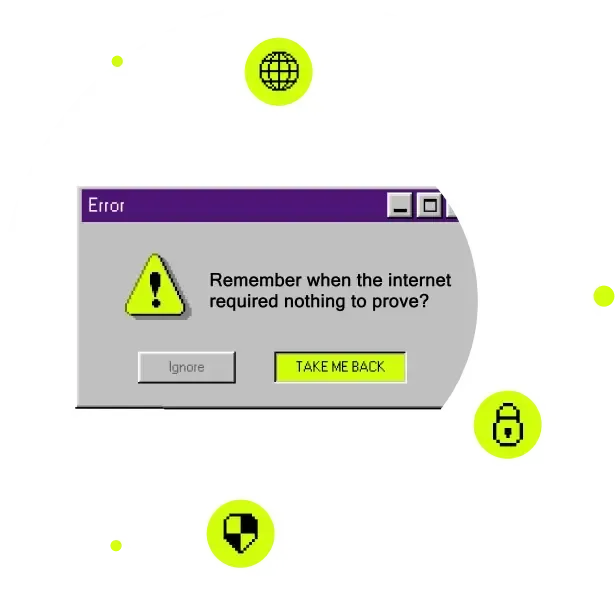
If apps like YouTube or Spotify ask you to verify your age, and you’re not a grown-up, you’re cut off from this seemingly “inappropriate” content. The same thing happens if tools like YouTube’s restrictive mode are turned on and you don’t prove you’re over 18. It must be heartbreaking to want to watch a comfort video in a moment of sadness or loneliness, and be met with error windows and unavailable videos.
The Filters Can't Tell the Difference
An automated moderation system scanning for sensitive topics is looking out for patterns in language. Take content about self-harm, for instance. Someone describing what they're going through in their fight with self-harm, someone offering support to a person in crisis, and someone posting genuinely dangerous material can all use overlapping vocabulary. The classifier frequently can’t reliably distinguish them.
The result is that useful, supportive content gets removed along with the inappropriate ones. Peer support threads disappear. People discussing their own experience get their accounts restricted for it. The system is functioning as designed, and the design cannot see the difference between risk and help.
Age verification adds a second layer of the same problem. When the UK's Online Safety Act age assurance requirements came into force in July 2025, Freedom House's Freedom on the Net 2025 report documented notable examples of overbroad application, including forums on LGBT+ issues, journalism, and public health.
Those categories aren’t incidental. They describe a substantial share of where people go for help.
The Electronic Frontier Foundation has made a related point: these mandates limit access to online communities and resources that people depend on, and the burden falls on everyone, including the young people the laws are written to protect.
Who Loses Access First
The people most affected by all of this are the ones with the fewest alternatives.
A young person who isn’t out at home and finds their community online. Someone in a rural area where the nearest relevant service is a two-hour drive that requires a car they don't have and gas they can’t afford. A person whose identity or situation is criminalized where they live, for whom a local conversation carries real, jail-time-shaped risk. Someone whose family is the source of the problem rather than the solution.
For all of them, the online space isn’t one option among several. It's the only option.
When an age gate appears in front of it, the barrier isn’t a minor inconvenience. Handing over a government ID to access a support community isn’t neutral for someone whose safety depends on that community remaining separate from their legal identity. Many will simply not do it, which means they don't get in.
Network shutdowns produce the same outcome faster and more completely. When a government cuts connectivity during a protest or an election, everything goes: the crisis line, the group chat, the person who would have replied. That consequence is almost never part of the calculation.
What Safety Should Be Measured Against
I think there's a specific failure in how these systems are assessed.
A content restriction gets evaluated on how much harmful material it blocks. That's the metric, and by that metric many of these systems perform reasonably. What almost never gets measured is the other side of the ledger: how many people were cut off from something they needed, and what happened to them afterward.
That data is harder to collect, which is part of why it isn't. But difficulty of measurement isn’t the same as absence of harm, and treating it that way builds a permanent blind spot into every system designed this way.
I'm not arguing that platforms should host content that encourages self-harm. They shouldn't, and the case for careful moderation in this area is strong. The argument is narrower and, I think, harder to dismiss: a safety system that removes support alongside risk hasn’t actually made anyone safer. It has made the internet look safer while reducing what a person in difficulty can actually reach.
If you're struggling, support is available.
- 988 Suicide & Crisis Lifeline: 24/7, free and confidential support for people in distress. You can call, text, chat, and access their services if you're deaf or hard of hearing.
- RAINN (Rape, Abuse & Incest National Network): Free, confidential, 24/7. You can call, text, and chat through end-to-end encrypted messaging.
- Crisis Text Line: Available in the U.S.A for free, confidential, 24/7 support.
- TrevorLifeline: Free and confidential phone support for LGBTQ youth is available 24/7.


Be part of the resistance, quietly.
Get Mysterium VPN
Gintarė is a cybersecurity writer at Mysterium VPN, where she explores online privacy, VPN technology, and the latest digital threats in editorial pieces. With hands-on experience researching and writing about data protection and digital freedom, Gintarė makes complex security topics accessible and actionable.
Related Articles
.png)