Internet Freedom Weekly: News Recap, November 9th–November 13th 2026


Meta Expands Instagram's AI Age Guessing Worldwide
Meta announced that it's expanding its AI age-estimation technology to Instagram users worldwide to find teens who signed up with an adult birthday and move them into Teen Accounts. According to TechCrunch, the AI looks for clues across profiles, such as birthday posts and mentions of school grades, plus visual cues like height and bone structure. Facebook is next, with Threads later this year.
It's better than asking everyone for a passport, but to find the teens, the AI has to look at everyone. Meta also used the announcement to push for age verification at the app store, which doesn't remove the check. It just moves it to your phone.
UK Considers Banning Under-16s From Vinted and eBay
Culture Secretary Lisa Nandy said the government is looking seriously at adding Vinted and eBay to the UK's under-16 social media ban, which takes effect in March 2027. The Sunday Times reported that Depop and Facebook Marketplace could follow, over fears that messaging features let strangers contact children.
eBay and Vinted are already meant for adults, so adding them mostly changes who gets checked. You can't find the under-16s in a crowd of millions without checking the whole crowd, which could mean handing over ID to sell an old pair of jeans.
Spain Wants TikTok Suspended Over Child Abuse Material
Spain demanded that TikTok suspend operations in Spain until it removes child sexual abuse material, after a Maldita.es investigation found explicit posts with millions of views. The ministry asked prosecutors and the data protection agency to act. TikTok restricted two search terms, but only for users in Spain.
Removing this material isn't censorship, and Spain is right to push hard. A suspension, though, would cut off every user in Spain while leaving the material online everywhere else. Prosecutors, regulators, and penalties aimed at the company put the cost where it belongs.
Gabon Lifts Its Eight-Month Social Media Ban
Gabon lifted a social media ban on October 24th, eight months after its media regulator imposed it. The regulator had said online content was fueling conflict, and the ban began during strikes by teachers and civil servants. Many people turned to VPNs to stay connected.
Getting access back is good news, but it was never the government's to take. Know which tools keep you connected before you need them, and pay attention when officials start blaming online content for division.
Why Researchers in Poorer Countries Can't Read Papers
For World Science Day for Peace and Development on November 10th, we looked at the barriers that keep much of the world's science out of reach. Journal subscriptions cost more than many institutions can afford, so researchers often can't read the literature in their own field. Network shutdowns break live collaboration, and researchers publishing on contested topics face harassment.
Publicly funded research should be readable by the public, publishing fees need waivers that actually work, and research connectivity deserves to be treated as infrastructure.
Fake Court Orders Used to Take Down Websites in India
India's telecom department ordered dozens of websites blocked based on court orders that turned out to be fake. Two High Courts confirmed the orders weren't genuine, and one filed a police complaint. Separately, someone posing as the Delhi Police asked X to block accounts of two digital rights groups. X didn't comply.
A takedown system that trusts paperwork without checking it is easy to turn into a censorship tool. Every blocking order needs real verification, notice to the people affected, and a public record.
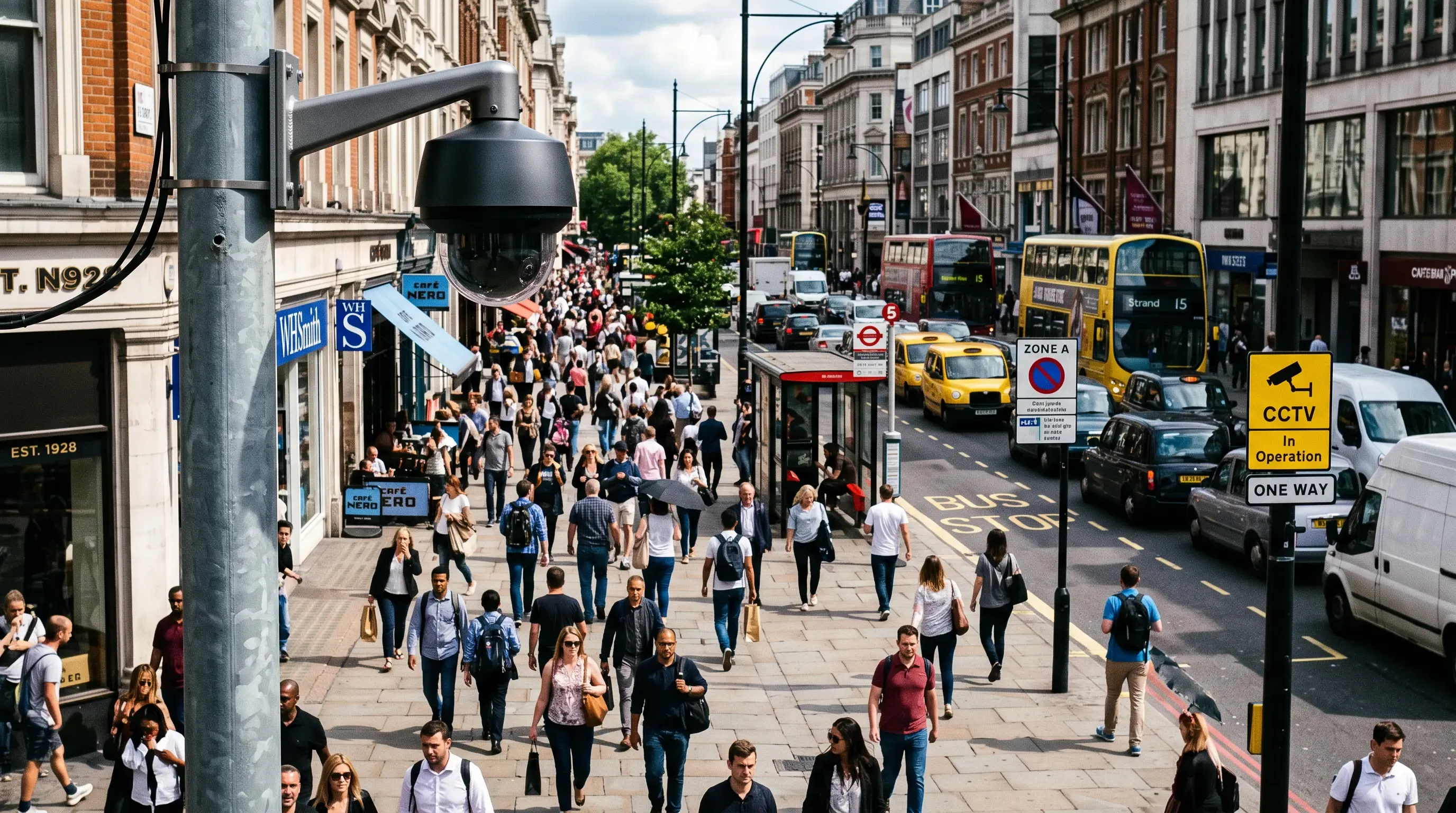
UK Report Finds Bias and Errors in Police Facial Recognition
A UK police watchdog found that some officers treated facial recognition results as proof, when they're only leads that need checking. The system is more likely to wrongly flag people from ethnic minorities, and some custody photos that should have been deleted were kept. Inspectors said no full law covers how police use the technology.
A match and a good reason to act are two different things, and harm happens in the space between them. Facial recognition shouldn't keep expanding until a law sets clear limits.
What Data Age Verification Collects and Where It Goes
An age gate asks one yes-or-no question, but the methods used to answer it collect far more. We broke down five common methods, from a simple checkbox to a full government ID upload. Most websites hand the check to a third-party company, which keeps a copy under its own rules.
Unlike a bouncer who glances at your card and hands it back, an online check keeps a copy, and you can't confirm it was deleted. Verification providers have been breached before. Knowing what's collected makes it a different decision.
CCTV Recorders With Known Flaws Found in 39 Countries
Our research found more than 13,000 CCTV recorders reachable online with known security flaws, in at least 39 countries and mostly on ordinary home and business broadband. Some of the flaws have been public for years. We also found exposed storage boxes, open smart-home hubs, and remote desktops that need no password.
An exposed recorder can leak video of a shop floor or a living room, and it gives attackers a way into the network. Check your router's port forwarding, switch off UPnP if you don't need it, and keep firmware updated.


Be part of the resistance, quietly.
Gintarė is a cybersecurity writer at Mysterium VPN, where she explores online privacy, VPN technology, and the latest digital threats in editorial pieces. With hands-on experience researching and writing about data protection and digital freedom, Gintarė makes complex security topics accessible and actionable.
Related Articles