UK Report Finds Bias and Errors in Police Facial Recognition

Key Takeaways
A UK police watchdog found that some officers treated facial recognition results as proof. They're only leads that need checking.
In a few cases, officers leaned on the results so hard that they took the wrong action.
The system is more likely to wrongly flag people from ethnic minorities. Some police photos that should have been deleted were also kept.
Inspectors said no full law covers how police use the technology.
Some UK police officers have been treating a computer's guess as proof. According to The Guardian, published November 12th, 2026, a new report from His Majesty's Inspectorate of Constabulary, which checks how police forces work, warns that facial recognition errors could lead to innocent people being arrested. People from ethnic minorities face the biggest risk.
What the Report Found
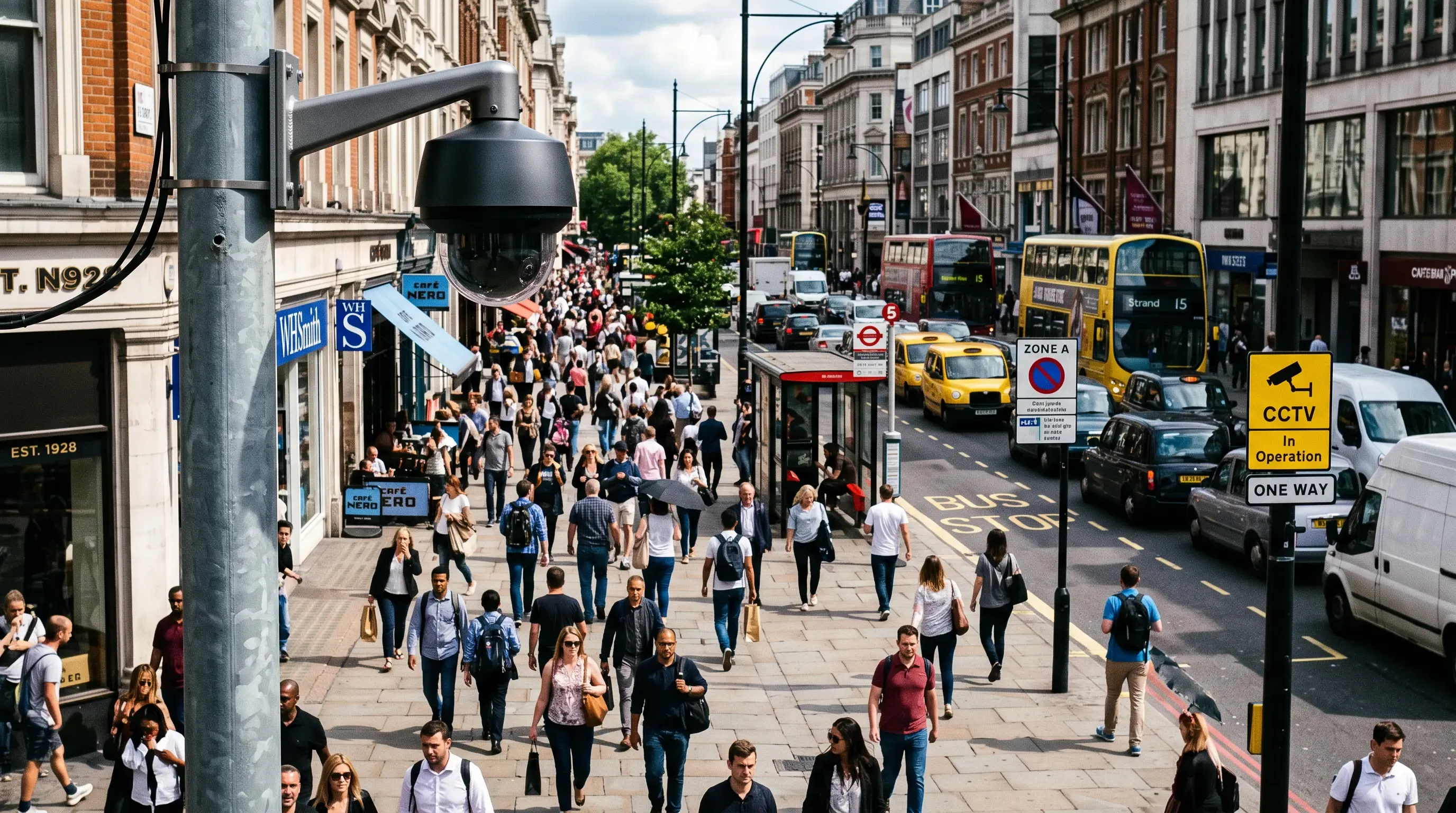
The report looks at retrospective facial recognition, which works after the fact. Instead of scanning crowds live, police take a photo, like a still from CCTV, and search for possible matches in a database of faces. It's usually seen as the safer kind.
Inspectors found that some officers didn't know the results were only leads, not proof. A possible match is supposed to start an inquiry, not end one. Some didn't check enough before acting. In a few cases, they leaned on the results so hard that they took the wrong action.
The system is still biased, too. It's more likely to wrongly flag people from ethnic minorities as suspects. Bad photos made things worse, like blurry shots or shots with more than one face. And some police photos of people in custody that should have been deleted were kept.
Inspector Kathryn Stone called for clearer laws, stronger national standards, and better oversight. The report says the law hasn't kept up with the technology.
Critics Say the Problem Runs Deeper
The privacy group Big Brother Watch said police aren't even keeping records of when they use it. That means people could become suspects without ever knowing why. The group also said the system is set up in a way that makes it more likely to get women, Asian people, and Black people wrong.
A former police adviser on facial recognition noted that the law already requires real human checks on AI systems. The National Police Chiefs' Council said police still plan to use the technology in a fair and responsible way.
The Gap Between a Match and an Arrest
This is the gap we warned about. When live facial recognition came to the London Underground, we wrote that a match and a good reason to act are two different things, and that harm happens in the space between them. The watchdog has now found officers acting in exactly that space.
The live system hasn't made a stronger case for itself. As we reported, the British Transport Police's six-month trial at London railway stations scanned over half a million faces and led to no arrests from facial recognition alerts. Its only alert was a false match.
Live or after the fact, the problem is the same. The technology keeps spreading faster than the rules, and its errors fall hardest on ethnic minorities. Until a law sets clear limits, facial recognition shouldn't keep expanding while some officers are still learning that a match isn't proof.


Be part of the resistance, quietly.
Gintarė is a cybersecurity writer at Mysterium VPN, where she explores online privacy, VPN technology, and the latest digital threats in editorial pieces. With hands-on experience researching and writing about data protection and digital freedom, Gintarė makes complex security topics accessible and actionable.
Related Articles