You Probably Missed It: Gabon Ended Its Social Media Ban

Key Takeaways
Gabon lifted its social media ban on October 24th, eight months after it began.
The media regulator had said online content was fueling conflict, and the ban came during strikes by teachers and civil servants.
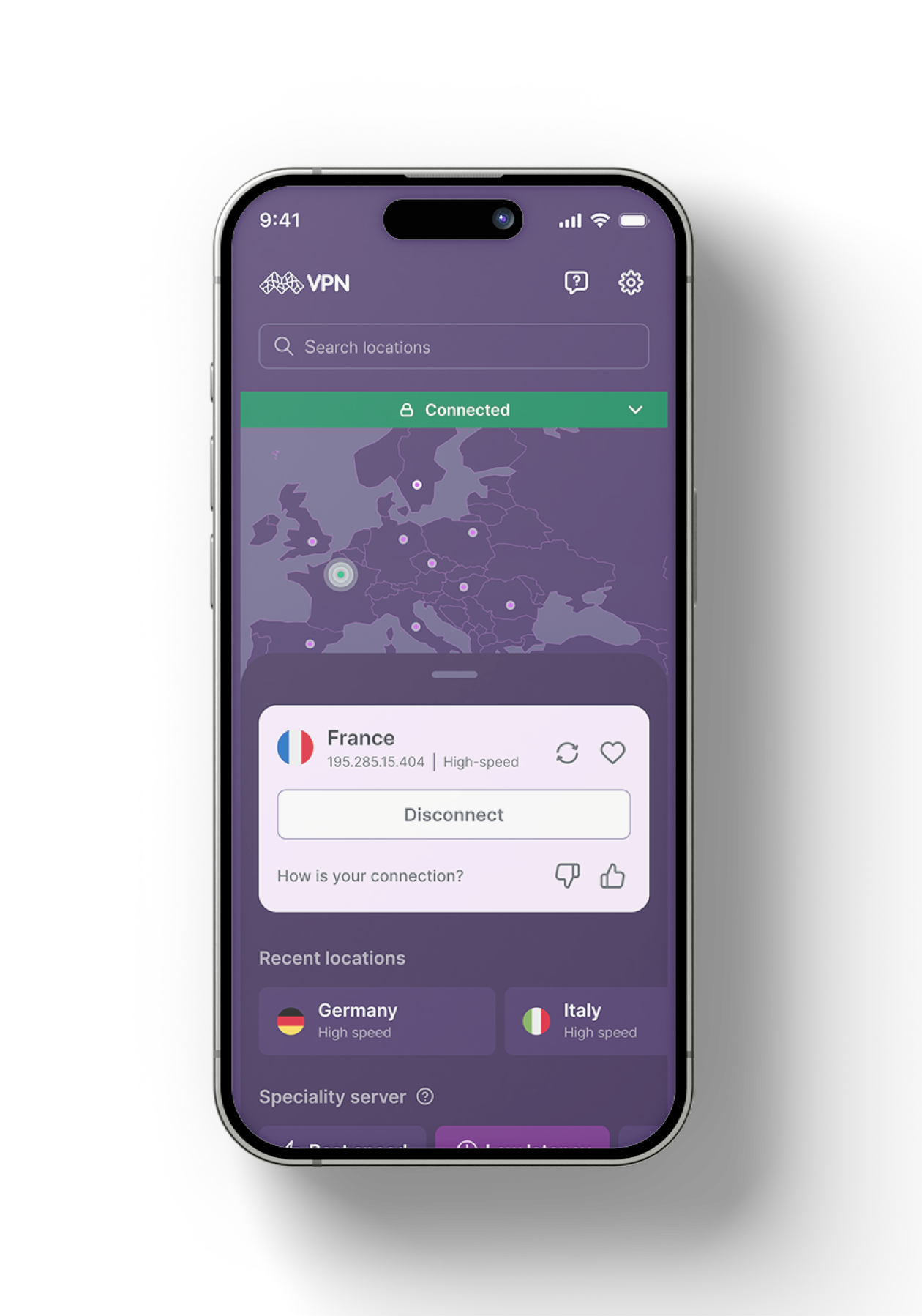
Many people in Gabon turned to VPNs to keep using social media while the ban was in place.
The opposition called the ban an abuse of power.
If you missed this one, you're not alone. According to reporting by the BBC, published on October 25th, 2026, Gabon has lifted a social media ban that lasted eight months. The country's media regulator, the High Communication Authority, announced the reversal in a televised statement.
The ban started on February 17th. At the time, the regulator said online content was fueling conflict and deepening divisions in the country.
It came as a shock. Facebook, TikTok, YouTube, and Instagram are especially popular with young people in Gabon, who use them for business as well as fun. Many turned to VPNs to keep using them.
Why the Ban Happened When It Did
The timing matters. The ban began while President Brice Oligui Nguema faced a wave of social unrest, less than a year after his election. Teachers and civil servants were striking over low pay and poor working conditions. The opposition called the ban an abuse of power.
Nguema came to power in a coup that ended more than five decades of rule by the Bongo family. He then won last year's election by a landslide and promised reform in a country where earlier governments used digital blackouts to control information. Then his own government switched off social media for eight months.
Your Access Shouldn't Be a Government Decision
Getting social media back is good news. But I don't think anyone should thank the government for it. Access was never the regulator's to take.
A ban like this doesn't only stop people from posting opinions. It cuts off small businesses that sell online, families who keep in touch through messaging apps, and workers trying to organize around pay. In Gabon, it landed right when people had something to say.
We've seen this pattern before, and we've written about how internet shutdowns undermine democracy across Africa. Governments cut access during elections, protests, and unrest, and each time it's called a short-term measure for public order. Eight months isn't short-term.
People in Gabon found their own answer. When the platforms went dark, many turned to VPNs. That says something about how much people value their connection. They'll find a way to keep it.
So what can you do? Know which tools keep you connected before you need them. Learn how to reach the news and the people you care about through more than one app. And support groups that track and challenge shutdowns, like Access Now and its #KeepItOn coalition.
Gabon's ban is over. The power to impose the next one isn't. Pay attention when officials start saying online content is fueling division, because that's often how the next ban begins.


Be part of the resistance, quietly.
Gintarė is a cybersecurity writer at Mysterium VPN, where she explores online privacy, VPN technology, and the latest digital threats in editorial pieces. With hands-on experience researching and writing about data protection and digital freedom, Gintarė makes complex security topics accessible and actionable.
Related Articles