Pakistan's Internet Shutdown in Kashmir Passes 100 Days


Key Takeaways
- Mobile data and broadband services have been suspended in Pakistan-administered Kashmir since June 5th, when protests over electoral reform erupted, passing more than 100 days.
- Staggered elections were held across three rounds, with the final phase on August 10th, and a new government has since been formed — but the partial internet shutdown continues regardless.
- Access to online banking, academic services, and everyday communication remains disrupted across the region; the government postponed entrance exams as a result.
- Authorities banned the Jammu Kashmir Joint Awami Action Committee on June 5th and cracked down on protests violently; resident estimates put the death toll above 50, though the figures could not be independently verified.
- A legal analysis published in Opinio Juris argues the shutdown violates Pakistan's obligations under the International Covenant on Civil and Political Rights, and that the domestic process for ordering shutdowns is a mechanical rubber-stamp exercise with no meaningful legal oversight.
100 Days Without Internet, and Counting
Mobile data and broadband services have been suspended in Pakistan-administered Kashmir since June 5th, when protests over electoral reform first erupted in the territory. As of Al Jazeera's September 15th report, the partial shutdown has passed 100 days — confirmed by NetBlocks, an independent internet monitoring organization.
A new government has been formed following staggered elections held across three rounds, with the final phase taking place on August 10th. The shutdown continues anyway.
Pakistan-administered Kashmir is a semi-autonomous territory governed under its own prime minister and legislative assembly. The unrest began in the lead-up to local elections scheduled for July 27th, triggered in part by the presence of 12 legislative seats reserved for refugees from Indian-administered Kashmir living elsewhere in Pakistan.
The Jammu Kashmir Joint Awami Action Committee — a grassroots umbrella organization that demanded the removal of those seats — was banned by authorities on June 5th, the same day the internet was cut.
Protests escalated into violent clashes on July 27th; voting didn’t take place in several protest strongholds for security reasons, and resident estimates put the death toll above 50, including seven law enforcement personnel, though Al Jazeera could not independently verify those figures.
What the Shutdown Is Actually Cutting Off
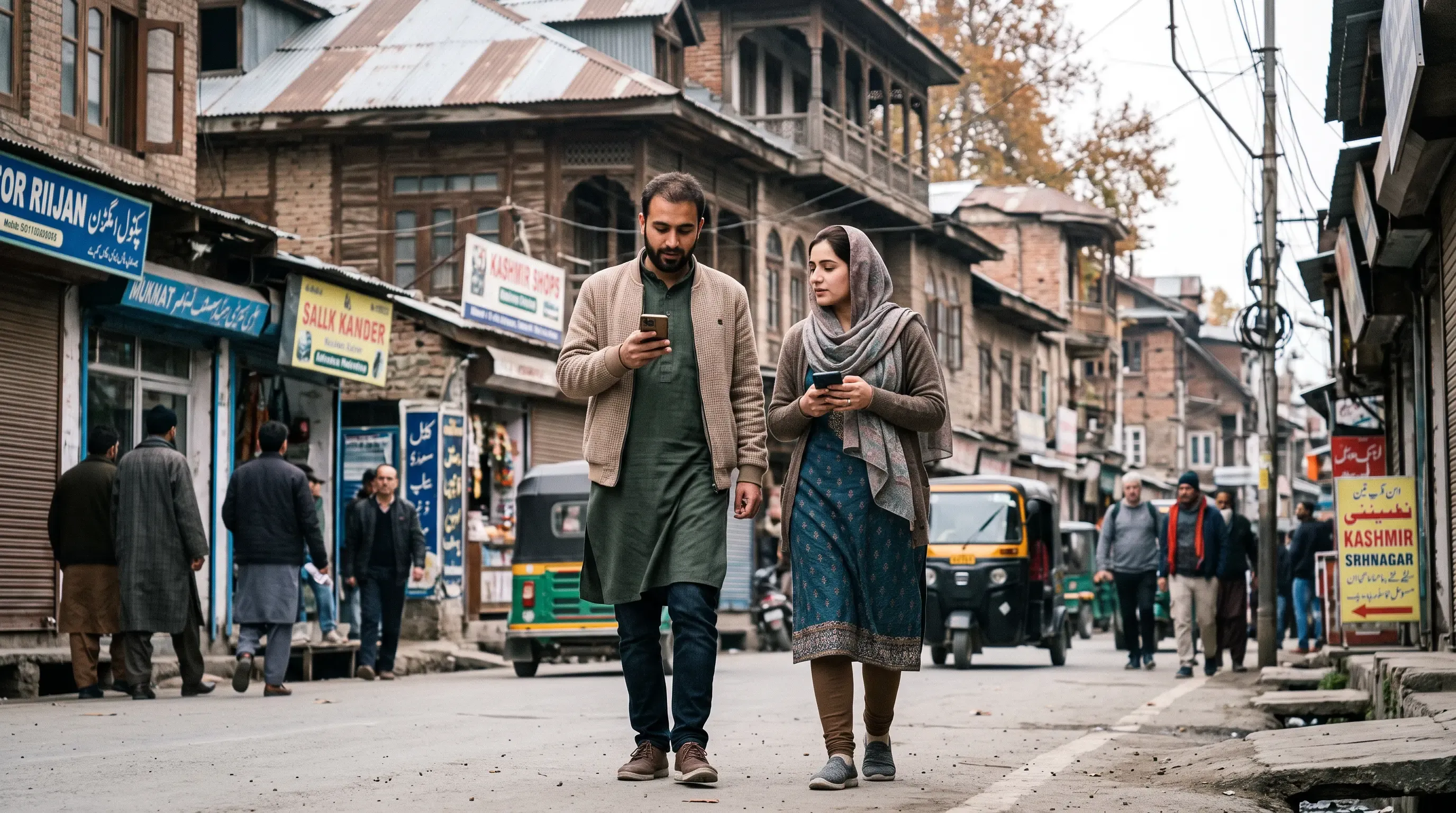
The effects have spread well beyond political organizing. Access to websites and apps used for online banking remains unavailable, disrupting business activity across the region. The academic year has been affected, with the government postponing entrance exams. Everyday communication — the kind that has nothing to do with protests or elections — has been disrupted for more than three months for everyone in the territory.
The shutdown did not end when the elections concluded. It didn’t end when the new government was formed. The Al Jazeera report, published on September 15th, describes a situation where the political justification for the blackout has expired and the blackout itself hasn’t, which is a pattern familiar from other election-period shutdowns documented by Access Now and the #KeepItOn coalition: a measure imposed for a stated purpose that outlasts the purpose and becomes the permanent condition of connectivity in that place.
A System Designed to Avoid Accountability
A legal analysis published in Opinio Juris by Mohammad Zayaan Asmi describes the structural reasons why this kind of shutdown is so difficult to challenge in Pakistan. Shutdown orders originate with the army or police agencies, pass through the National Crisis Management Cell inside the Interior Ministry, and are then sent to the Pakistan Telecommunication Authority for implementation.
The NCMC is theoretically a scrutiny layer, but the analysis finds it rarely pushes back on army directives — reducing the process to a mechanical compliance exercise. Other Interior Ministry bodies, including the National Counter Terrorism Authority, can issue shutdown orders independently.
The orders aren’t released publicly. That means an affected person can’t read the legal basis for the shutdown that has cut off their banking, their studies, and their ability to communicate — let alone mount a legal challenge to it. The International Covenant on Civil and Political Rights, to which Pakistan is a signatory, protects freedom of expression and the right to peaceful assembly.
The HRCP's own fact-finding report found that the prolonged blackout, alongside arrests of journalists and activists and restrictions on movement, narrowed civic space across the territory and deepened polarization rather than addressing the underlying political grievances.
A shutdown that outlasts the election it was supposedly imposed to manage is no longer an emergency measure. It is a policy — one that the existing legal architecture in Pakistan makes almost entirely invisible to challenge.


Be part of the resistance, quietly.
Get Mysterium VPN
Gintarė is a cybersecurity writer at Mysterium VPN, where she explores online privacy, VPN technology, and the latest digital threats in editorial pieces. With hands-on experience researching and writing about data protection and digital freedom, Gintarė makes complex security topics accessible and actionable.
Related Articles
.png)