Yabloko's Deputy Chair Gets Seven Years in Prison for Two Anti-War Telegram Posts


Key Takeaways
- A Moscow court sentenced Maxim Kruglov, deputy chair of Russia's Yabloko party and former Moscow City Duma deputy, to seven years in a general-regime penal colony for two Telegram posts published in April 2022.
- The posts cited UN casualty figures from Ukraine and described the situation in Bucha after Russian forces withdrew, and Kruglov denied guilt throughout the trial.
- Defense-commissioned linguistic and psychological experts concluded the posts contained no false factual assertions and no incitement of hatred.
- The prosecution had demanded eight years, and Kruglov's lawyer announced in court that the verdict would be appealed.
- Diplomats from Ireland, France, the Netherlands, Poland, and Czechia attended the sentencing.
What the Posts Actually Said
Maxim Kruglov, deputy chair of Yabloko and former Moscow City Duma deputy, has been sentenced to seven years in a general-regime penal colony for two Telegram posts published in April 2022. He was arrested in October 2025, detained in Saint Petersburg, brought to Moscow, and charged under Article 207.3 of the Russian Criminal Code, which criminalizes the public dissemination of "knowingly false information" about the Russian armed forces. He was also placed on Russia's list of terrorists and extremists, maintained his innocence throughout, and was refused bail.
The posts did not call for the overthrow of anything. One cited UN data putting the civilian death toll in Ukraine at 1,267 people. The other described the situation in Bucha after Russian forces withdrew and what was found there. The prosecution's witness who first "discovered" them, it emerged at trial, was a public utilities worker who happened to mention them to an FSB officer he encountered three years after publication.
At the June 3 hearing, Yabloko's founder Grigory Yavlinsky appeared in court to testify in Kruglov's defense, describing him as someone who had always respected the law not out of fear but out of conviction. The defense also presented a psycholinguistic analysis by a philologist and a psychologist, which found that the posts contained no independent factual claims of Kruglov's own. The civilian death figure was attributed to the UN, and his description of Bucha correctly reflected Russia's own Defense Ministry briefing from April 3, 2022. The experts found no intent to deceive and no signs of incitement.
Unfortunately, Russia's layered system of censorship and speech law meant that none of this changed the outcome in any significant way.
A Court That Already Knew the Answer
The prosecution had asked for eight years. The court gave seven, along with a three-year ban on administering websites and internet channels after release. Kruglov's lawyer announced the appeal immediately. Diplomats from Ireland, France, the Netherlands, Poland, and Czechia were in the courtroom to watch.
The evidentiary record is not ambiguous. Independent experts found no false assertions in the posts. The prosecution's case rested on a witness who stumbled onto the content three years after publication and reported it to an intelligence officer he happened to meet. The Russian courts are not evaluating whether speech is actually false. They are evaluating whether it is inconvenient, and seven years is what inconvenience costs.
Russia has already been detaining people who protest its censorship apparatus in the streets. Kruglov's case is the same logic applied to a party official, where citing a UN report and describing what Russian forces left in Bucha using the government's own framing earns a man seven years in a penal colony.
Seven Years Is the Point, Not the Problem
Kruglov cannot be helped by a VPN. He is in custody, and no tool changes that. What his case illustrates is how Russia's wartime speech laws function as a standing threat against anyone who uses the internet to say anything that contradicts the official line. The mechanism is very clearly only about making speech too expensive to risk, not catching any real lies.
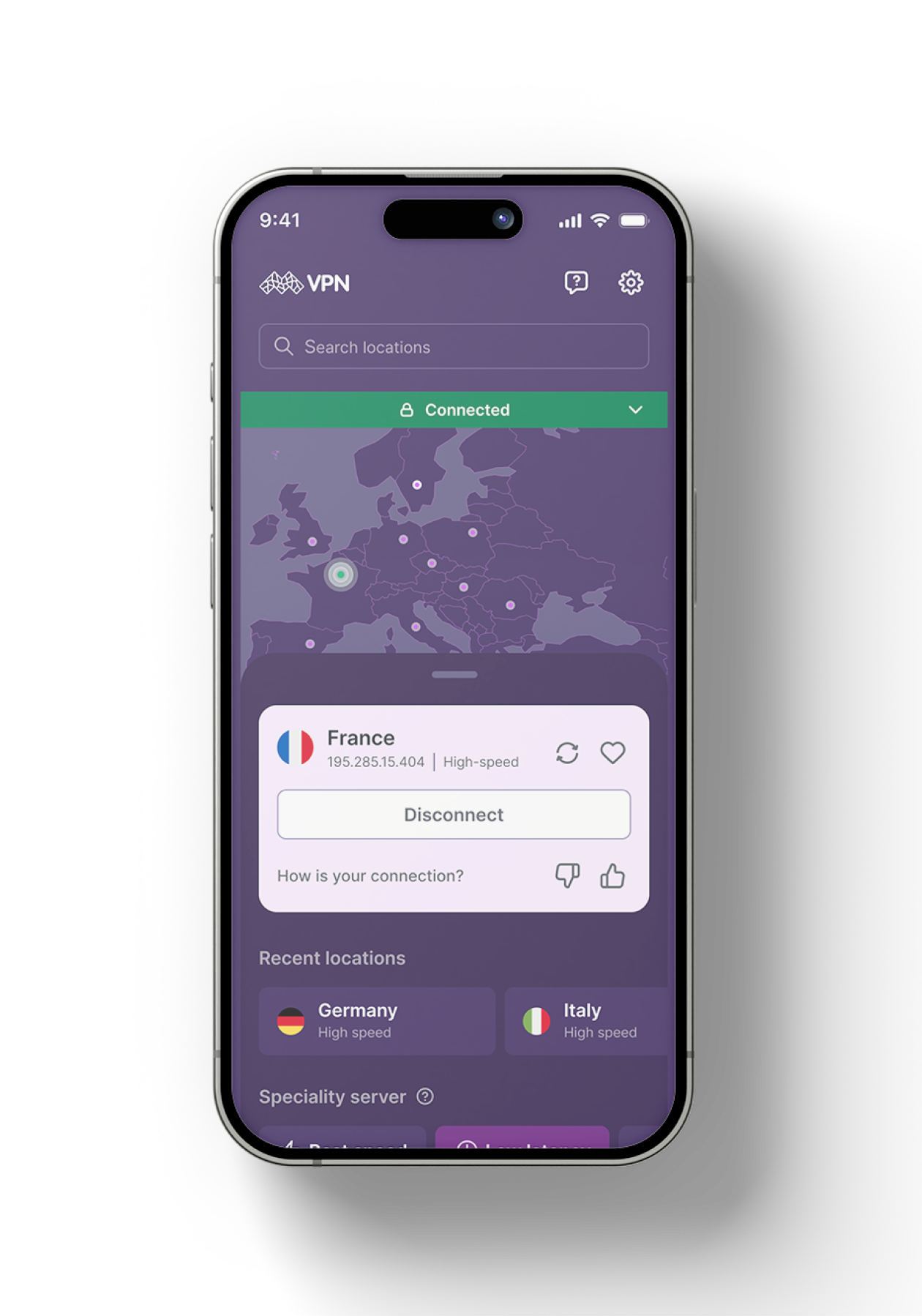
If you are operating under a government that monitors and punishes online dissent, routing your connection through a server in another jurisdiction removes you from that surveillance layer. A VPN cannot protect a politician already imprisoned but it can protect the person deciding right now whether to share a news article or access reporting their government would prefer they not see or track. That distinction is worth being clear about, and, well, let’s just say Mysterium VPN currently goes with up to 78% discount, so do with that what you will.
Russia sentenced a man to seven years for citing the United Nations and describing what Russian forces left behind in Bucha. His own government's Defense Ministry used the same description of events in its April 2022 briefing. The court did not need the facts to align with the charge. It needed the verdict to land before the next person decides to say something, and this is seriously scary.


Be part of the resistance, quietly.
Get Mysterium VPN
Dominykas is a technical writer with a mission to bring you information that will help you keep your digital privacy and security protected at all times. If there's knowledge that can help keep you safe online, Dominykas will be there to cover it.
Related Articles
.png)