Lake Ontario Is Now "Lake America" — If You're Looking at a US Map


Key Takeaways
- President Trump signed an executive order on August 27th directing the Interior Department to rename Lake Ontario to "Lake America" in the US geographic naming service, with changes required within 30 days.
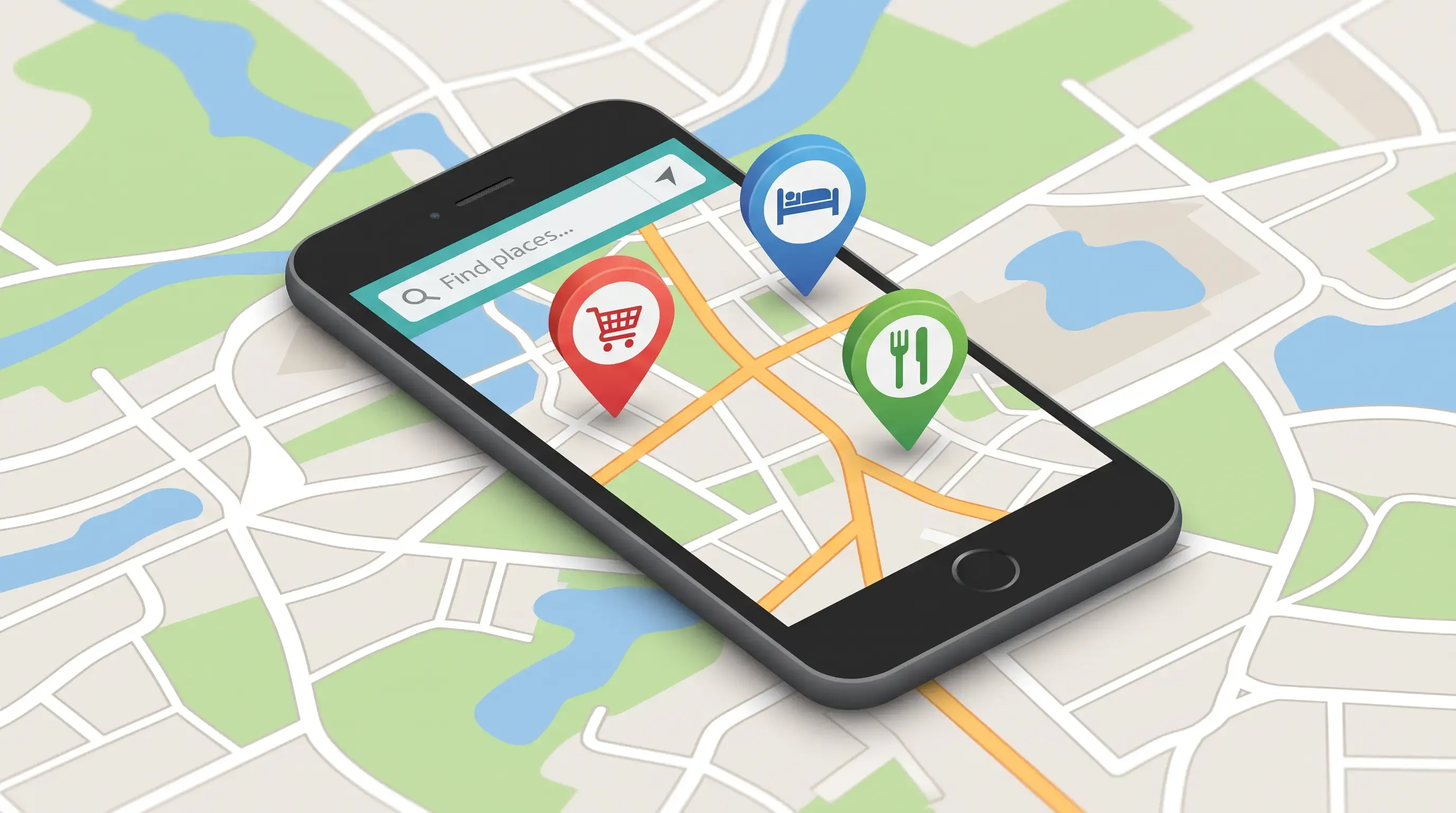
- Apple Maps and Google Maps rolled out the name change shortly after the order was signed. AccuWeather and the National Weather Service followed this week, with the NWS stating it is updating maps, weather products, websites, and other materials across the organization.
- The renaming applies to US-facing services. A user in Europe opening the same apps will see Lake Ontario; a user in North America will see Lake America — a real-world illustration of how the internet already shows different things to different people based on geography and government pressure.
- Lake Ontario is a shared body of water bordering both the United States and Canada. Canada has not renamed it.
- This follows Trump's earlier executive order renaming the Gulf of Mexico to the Gulf of America.
An Executive Order, and Immediate Compliance
On August 27th, President Trump signed an executive order directing the Interior Department to update the US geographic naming service to reflect a new name for Lake Ontario: Lake America. The order specified that changes should be completed within 30 days.
Apple Maps and Google Maps implemented the change shortly after the order was signed. This week, the National Weather Service released a memo stating it’s in the process of updating its maps, weather products, websites, and other materials. AccuWeather confirmed it’s also using the new name, citing the standards set by the US Board on Geographic Names.
The compliance was fast, and it wasn’t limited to government agencies. Two of the world's most widely used mapping platforms (products that billions of people rely on to understand where things are) updated their data within weeks of a presidential executive order. No court order was involved. No law was passed. An executive directive to a naming authority was sufficient to change what Apple and Google show their users.
This isn’t the first time Trump has used this mechanism. Last year, an executive order renamed the Gulf of Mexico to the Gulf of America. Google updated its Maps product for US users at the time, while showing the original name to users in Mexico and internationally. The same geographic split is now in place for Lake Ontario.
The Lake Is the Same. The Map Depends on Where You Are.
Lake Ontario is a shared body of water. It borders both the United States and Canada. Canada hasn’t renamed it. International geographic bodies haven’t renamed it. The name change exists in US government databases and in the US-facing versions of Apple Maps, Google Maps, AccuWeather, and National Weather Service products.
A person opening Google Maps in Germany sees Lake Ontario. A person opening the same app in Ohio sees Lake America. The underlying geography is identical. What changes is which government's naming conventions the app is applying, and those conventions now differ because one government issued an executive order and two major tech platforms decided compliance was the appropriate response.
This is a live example of something we have written about in other contexts: the internet already looks different depending on where you open it. Local-law content restrictions, geo-blocked services, government-ordered takedowns that apply in one jurisdiction and not another — these all produce a version of the same outcome.
The map you see reflects decisions made by governments and companies, not only the world as it is. Usually that fragmentation happens around content: a post that exists everywhere except one country, an article that surfaces in search results for some users and not others. Here it’s happening to a geographic feature that has existed for millennia under a name that predates the United States.
What Compliance Means in Practice
The speed and completeness of the tech industry's response is worth sitting with. Apple and Google did not wait for legislation. They did not push back publicly. They updated their data and moved on. The National Weather Service followed, framing the change as a routine naming convention update. AccuWeather cited the US Board on Geographic Names as its authority.
None of that is surprising in isolation — these companies and agencies regularly update geographic data when official naming authorities change it. What’s different here is that the change is contested internationally, applies to a shared body of water that another country hasn’t renamed, and originated in a political executive order rather than a geographic or scientific process.
The mechanism that exists for updating a river's name after a town changes its name or a new administrative region is created is being used to apply a politically motivated renaming to a Great Lake.
The result is a map that is geographically accurate in the sense that the lake is in the right place, and politically shaped in the sense that what it is called depends on which country you are reading it from. That is not a technical quirk. It is what government pressure on technology platforms produces — and it’s considerably more visible here than it usually is, because the thing being changed is something everyone can see on a map.


Be part of the resistance, quietly.
Get Mysterium VPN
Gintarė is a cybersecurity writer at Mysterium VPN, where she explores online privacy, VPN technology, and the latest digital threats in editorial pieces. With hands-on experience researching and writing about data protection and digital freedom, Gintarė makes complex security topics accessible and actionable.
Related Articles
.png)