The UK Says It Will Ban Under-16s From Social Media, Platforms Left Intact


Key Takeaways
- On June 15, 2026, Prime Minister Keir Starmer announced that the UK will ban under-16s from platforms including TikTok, Snapchat, YouTube, Instagram, Facebook, and X, with the ban expected to take effect early next year.
- The announcement caps a process that began in January 2026 when Starmer said "all options are on the table," ran a public consultation from March through May 26, and ends today with no legislative action against platform business models, addictive design, or data extraction.
- The Molly Rose Foundation warned that a ban framed this way will unravel via VPN workarounds, meaning the government has produced a headline rather than a solution.
- Nineteen civil society organizations told the UK to hold platforms accountable for their design and business models rather than banning children from accessing them.
The UK Has Been Saying This Since January
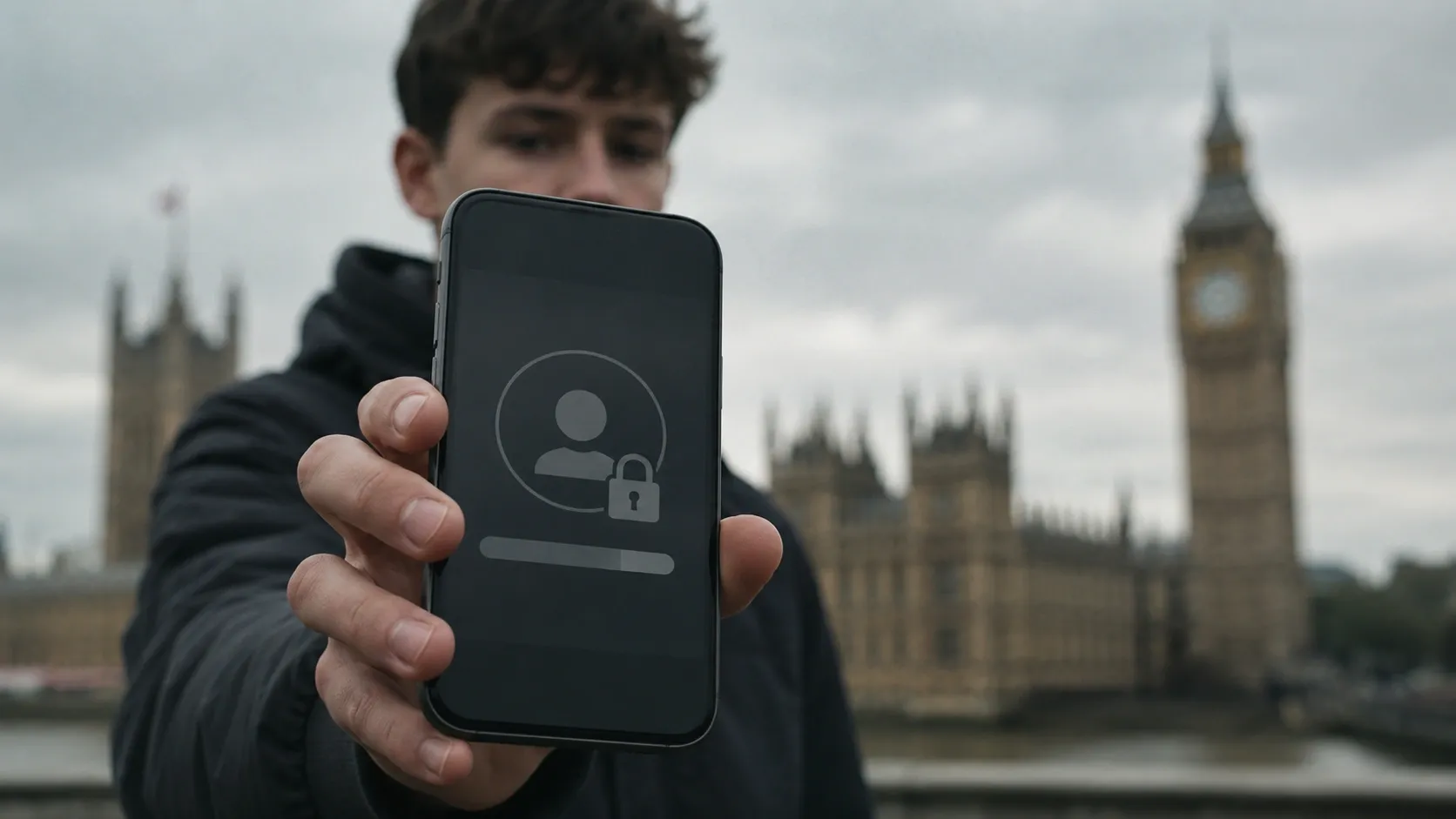
Starmer held a press conference on June 15 to announce that Britain will ban under-16s from a range of major social media platforms, calling it "a big moment for our country." The named platforms are TikTok, Snapchat, YouTube, Instagram, Facebook, and X. Messaging services like WhatsApp and Signal are excluded. The ban is expected to take effect early next year.
What makes this a "big moment" is harder to locate when you trace the timeline. In January 2026, Starmer said, "All options are on the table," and the government announced a consultation. In February, the government accelerated plans and secured new legal powers to act quickly on the findings.
Then, in March, the consultation opened. On May 26, it closed, with nine in ten parents who responded saying they supported a ban. Now, on June 15, the government has announced the ban, a date still not confirmed. At some point the UK will presumably stop announcing that a ban is coming and simply enact one. But today is not that day.
Banning the Audience Does Not Fix the Stage
The harm the UK keeps citing is real – there’s no debate over that. Platforms built around infinite scrolling, autoplay feeds, engagement-maximizing algorithms, and behavioral data collection are doing measurable damage to young people's attention, mental health, and sleep. The UK's own consultation, titled "Growing up in the online world," asked respondents about exactly these features.
And yet, the ban somehow addresses none of them. Removing access for under-16s does not change what the platforms are engineered to do or what makes them commercially valuable. A child who cannot create an account does not fix the architecture.
Meanwhile, nineteen organizations, including the EFF, told UK policymakers that the actual driver of online harm is the platform business model itself, specifically data collection, behavioral targeting, and engagement-maximizing design, and that holding companies accountable for those features has to be the priority. The UK noted the feedback and announced an access ban nonetheless, adding not a word about dealing with the actual causes of the issue at hand.
A Ban the UK's Own Sources Say Will Not Hold
The Molly Rose Foundation and crossbench peer Lady Beeban Kidron already flagged the structural problem here, saying that a ban tied to political milestones will unravel via VPN workarounds. And this is far from a speculation, because when stricter age assurance measures came into force in July 2025, daily VPN users in the UK jumped from around 650,000 to more than 1.4 million within weeks. The government's response to that surge was to consider restricting VPN access as part of the same online safety framework.
Five days before today's announcement, the government also mandated device-wide nudity scanning on children's devices with a 90-day ultimatum to Apple and Google, which was also framed as a child safety measure. And the pattern always goes the same way: Announce something that sounds decisive, leave the commercial infrastructure intact, and add surveillance requirements to compensate for the gap the announcement leaves.
How children are actually going to be any better, especially when they easily get around the ban and fall right back into that same uncontrolled mess of social media they were just removed from, is a question I highly doubt any of this government could answer. But hey, at least, at least Starmer gets to proudly announce yet another ban every month or so, while the platforms in question keep happily making billions without any worries on their minds.
The reality is that all these bans do is create a surveillance infrastructure to take away the freedom that the internet was made to offer. So while getting a VPN will not fix the social media algorithms, it’s exactly the tool you need to take some of that digital freedom back into your hands and protect your privacy. So get Mysterium VPN with 78% off now before Starmer bans it too.


Be part of the resistance, quietly.
Get Mysterium VPN
Dominykas is a technical writer with a mission to bring you information that will help you keep your digital privacy and security protected at all times. If there's knowledge that can help keep you safe online, Dominykas will be there to cover it.
Related Articles
.png)