India Tried to Censor a Political Movement. Decentralized Tech Made It Impossible



Key Takeaways
- When Indian authorities blocked the Cockroach Janta Party's central domain and social media handles, volunteers immediately mirrored the site across dozens of alternative domains and offshore hosts — faster than regulators could issue takedowns.
- When authorities cut mobile internet at protest sites, supporters switched to BitChat, an off-grid Bluetooth mesh messaging protocol that requires no cellular towers, internet connection, or central server — and works better in dense crowds.
- The movement's open-source structure was its core defense: because the website code, graphics, and media templates were freely available from day one, the infrastructure couldn't be confiscated or silenced.
- The Cockroach Janta Party's resilience is a preview of how decentralized architecture changes the fundamental dynamic of state censorship — and why top-down, switch-flipping control is becoming obsolete.
When Indian authorities moved to suppress the Cockroach Janta Party (CJP) — the student-led political movement whose "Chalo Sansad" march we covered last week — they reached for a familiar playbook, according to reporting by The Friday Times.
Under Section 69A of India's Information Technology Act, regulators blocked the party's central domain and issued notices restricting its primary social media handles. In a traditional political campaign, silencing the central megaphone effectively ends the operation.
The CJP isn't a traditional political campaign. Founder Abhijeet Dipke, a 30-year-old studying public relations at Boston University, built it as an open-source digital ecosystem from the start. The website code, graphics, and media templates were freely accessible online from day one.
When cockroachjantaparty.org went dark, volunteers immediately put up mirrors across alternative domains and offshore cloud hosts. As each link was blocked, more duplicates appeared. The Friday Times describes it accurately: state enforcement was playing digital whack-a-mole against a crowd armed with an open codebase.
That's the Cockroach Effect — and it's a more important development in the history of internet freedom than it might first appear.
When the internet went dark, they switched to Bluetooth
The CJP's resilience didn't stop at mirrored websites. When Indian authorities cut mobile internet at protest sites — including Delhi's Jantar Mantar, the shutdown we reported on — the movement adapted to an entirely different layer of infrastructure.
Supporters turned to BitChat, an off-grid messaging protocol that builds an ad hoc mesh network using Bluetooth Low Energy chips in standard smartphones, passing encrypted messages from phone to phone without cellular towers, internet connections, or central sign-in servers.
In a dense protest environment, this architecture inverts traditional telecom logic. Massive crowds normally overload cell towers and crash networks. In a BitChat mesh, heavy user density actually makes communication faster and more reliable — the crowd is the network.
And because BitChat connects to Nostr, a decentralized publishing protocol, local off-grid messages can reach global networks the moment any single device in the crowd gets a signal.
There's no central database, no IP addresses to block, and a panic feature that wipes all local app data with three taps. Localised internet blackouts — the precise tool Indian authorities used — were rendered almost useless against it.
When Indian authorities couldn't stop the Bluetooth signals, they issued notices to GitHub to remove BitChat's source code. GitHub complied. It didn't matter. The code had already been cloned and distributed. As the article notes: they couldn't put the genie back in the bottle.
Why this matters beyond one political movement
I want to be direct about why this story sits at the center of what we cover. The CJP's digital resilience isn't a quirk of one creative founder. It's a demonstration of what happens when the tools of decentralization — open-source code, peer-to-peer messaging, distributed hosting — are applied deliberately against the architecture of centralized control.
The traditional censorship model depends on choke points: a domain registrar, an ISP, a social media platform, a cell tower. Each one is a place where a government order can produce an immediate effect. Decentralized architecture removes those choke points. When content is mirrored across dozens of domains, no single takedown achieves anything. When communication runs over Bluetooth mesh rather than cell towers, cutting the internet doesn't cut the conversation.
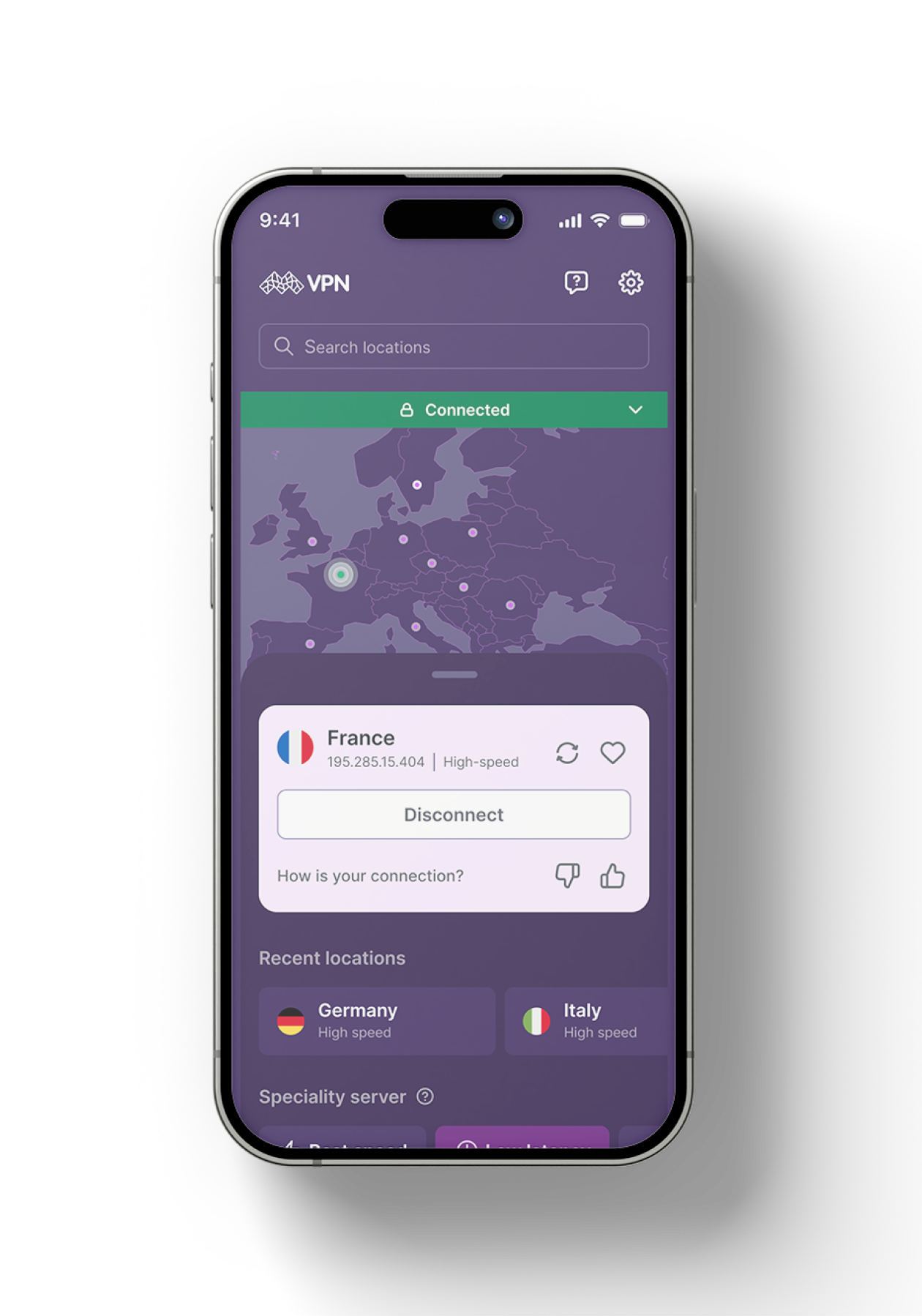
This is exactly the problem that decentralized VPN infrastructure is built to address at the network level. A centralized VPN is a choke point: one company, one server fleet, one jurisdiction. A decentralized network distributes that infrastructure across independent nodes — no single point where a government order shuts everything down. The CJP's experience in India illustrates, in vivid real-world terms, why that architectural difference matters.
Mysterium VPN, with our decentralized infrastructure, shares the same fight – one for freedom, the right to express your opinion, the right to be heard. An open internet is a free internet.
The era of top-down, switch-flipping censorship isn't over. States will adapt — through device-level spyware, Bluetooth jamming, noise-flooding, and pressure on hardware manufacturers. But the CJP's survival demonstrates that decentralized technology, applied with intention, can outpace those responses in real time. That's not a small thing. That's a shift in the fundamental dynamic of the fight for a free internet.


Be part of the resistance, quietly.
Get Mysterium VPN
Gintarė is a cybersecurity writer at Mysterium VPN, where she explores online privacy, VPN technology, and the latest digital threats in editorial pieces. With hands-on experience researching and writing about data protection and digital freedom, Gintarė makes complex security topics accessible and actionable.
Related Articles
.png)