France's Social Media Age Ban Is Law — and Everyone Will Have to Verify Their Age



Key Takeaways
- France's parliament has approved a law banning social media for under-15s, making it the first European country to do so. The ban takes full effect in January 2027.
- Everyone in France (not just minors) will be required to verify their age to access social media, using tools approved by the French privacy regulator.
- Australia introduced a similar ban in December 2025. By March 2026, seven out of ten affected children still had "some access" to banned platforms.
- Critics have raised concerns about privacy, the effectiveness of age verification tools, young people finding workarounds, and the risk of pushing minors into less-regulated online spaces.
France's parliament has adopted a law banning social media for anyone under 15, according to reporting by the BBC. The ban will be introduced in two stages: from September, under-15s won't be able to open new accounts, and age verification will be required on all new sign-ups.
From January 2027, the rules will extend to all existing accounts, meaning every person in France will need to prove they are over 15 to continue using social media platforms. For the age verification timeline by country, social media companies will be required to use age verification tools approved by France's privacy regulator.
Digital Minister Anne Le Hénanff defended the speed of the rollout, arguing that "age-verification tools already exist."That last claim is doing a lot of work in this debate. Yes, the tools exist. The question of whether Australia's experience has already started to answer is whether they work.
Australia Already Ran This Experiment. The Results Aren't Encouraging
France is framing itself as the first European country to introduce a social media age ban. But Australia got there first globally, with its under-16 ban taking effect in December 2025. And by March 2026 (just three months in), Australia's own eSafety Commission found that seven out of ten children who had social media accounts before the ban still had "some access."
Since then, experts have been admitting that the Australian ban has "failed" in its technical aims. For countries following Australia's lead, they recommend involving young people in the conversation and actually listening to them. France's law goes further than Australia's in one respect: it doesn't just affect minors. It requires every user (regardless of age) to verify their identity before accessing social media.
The French government is betting this universal verification requirement will close the loopholes Australia's system left open. It might reduce workaround rates at the margins. But it does so at a high cost.
Everyone Pays the Privacy Price
Here's the thing about requiring universal age verification: it's not a targeted measure. It's a requirement applied to an entire population to solve a problem caused by a subset of it. Every adult in France who wants to use social media will now need to submit identity documents to platforms and the third-party verification systems they use to process them.
That data has to be stored somewhere. It'll be managed by companies with commercial incentives that aren't always aligned with user privacy. And it'll be targeted by the same kind of breaches we've seen affect verification systems elsewhere.
Concerns have been raised (by academics, civil liberties groups, and even within the French parliamentary debate) about privacy risks, the efficacy of the tools involved, and the speed with which this legislation was designed and passed.
Those concerns aren't fringe positions. There are well-documented problems with age verification systems that have been raised consistently across every country that's tried to implement them.
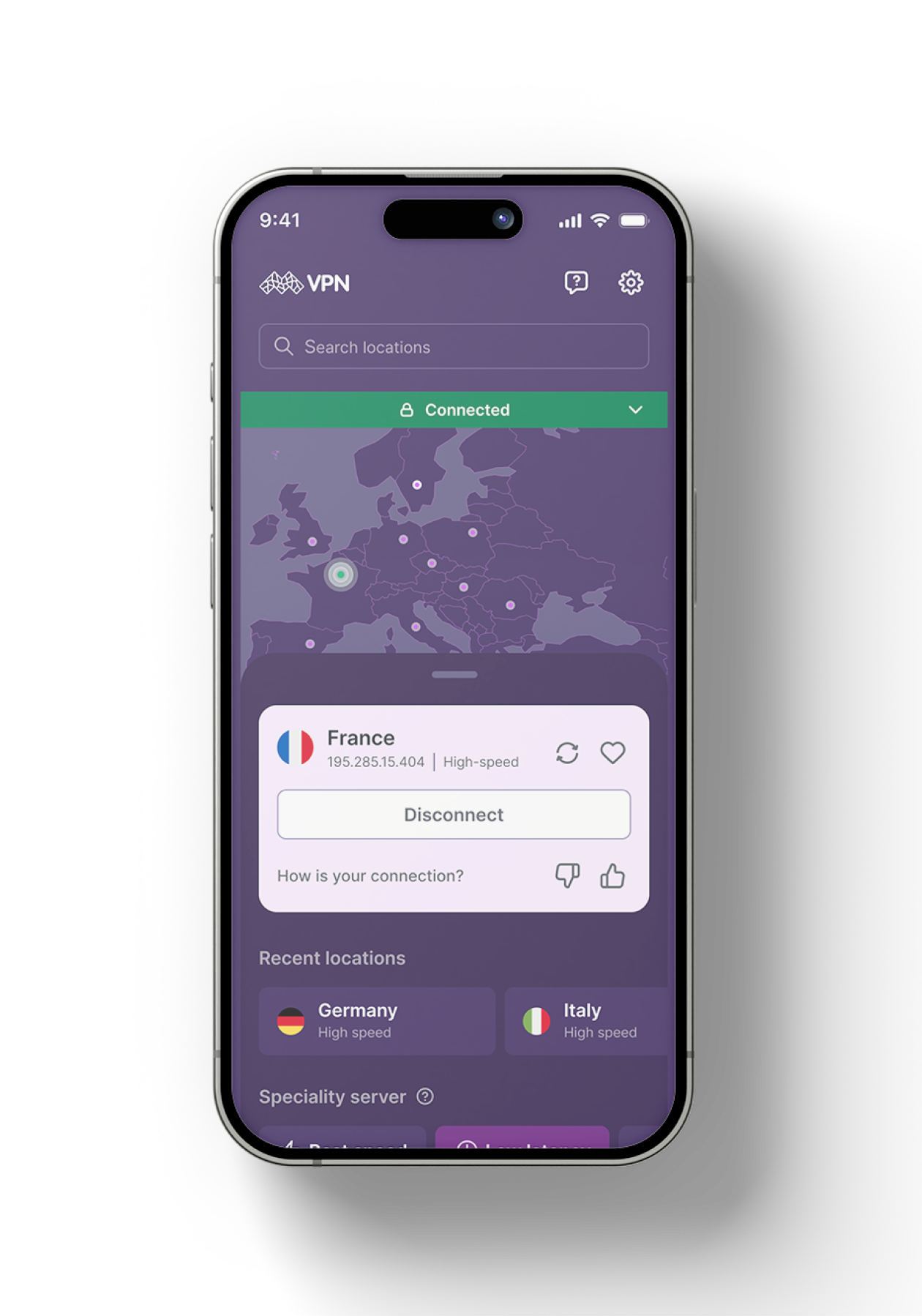
And then there's the workaround problem. Young people pushed off mainstream platforms don't stop using the internet. They move to less-regulated spaces, use VPNs, borrow accounts, or find platforms that don't comply with French law.
Professor Leaver also flagged a less-discussed consequence: reducing young people's social media access may decrease their news consumption and political engagement at a time when digital participation is increasingly central to civic life.
I don't think the French government is wrong to take online harms seriously. I think they're reaching for the tool that looks decisive rather than the one most likely to work.
A universal age verification mandate is a visible, dramatic policy. It's also one that hands a surveillance infrastructure to private companies, burdens every adult user with identity checks, and, if Australia is anything to go by, doesn't actually keep most determined teenagers off the platforms it's targeting.
France is watching Australia's experiment and calling it a model. The data says it's a cautionary tale.


Be part of the resistance, quietly.
Get Mysterium VPN
Gintarė is a cybersecurity writer at Mysterium VPN, where she explores online privacy, VPN technology, and the latest digital threats in editorial pieces. With hands-on experience researching and writing about data protection and digital freedom, Gintarė makes complex security topics accessible and actionable.
Related Articles
.png)