France's Unrest Prompted a Presidential Candidate to Call for Social Media Shutdowns
Key Takeaways
Gabriel Attal, leader of Emmanuel Macron's political party, called for the government to have the power to temporarily and locally block social media platforms during riots, following widespread unrest across France on Saturday.
It’s supposedly a response to social media amplifying looting behavior — arguing that young people who see friends looting on social media are then encouraged to join.
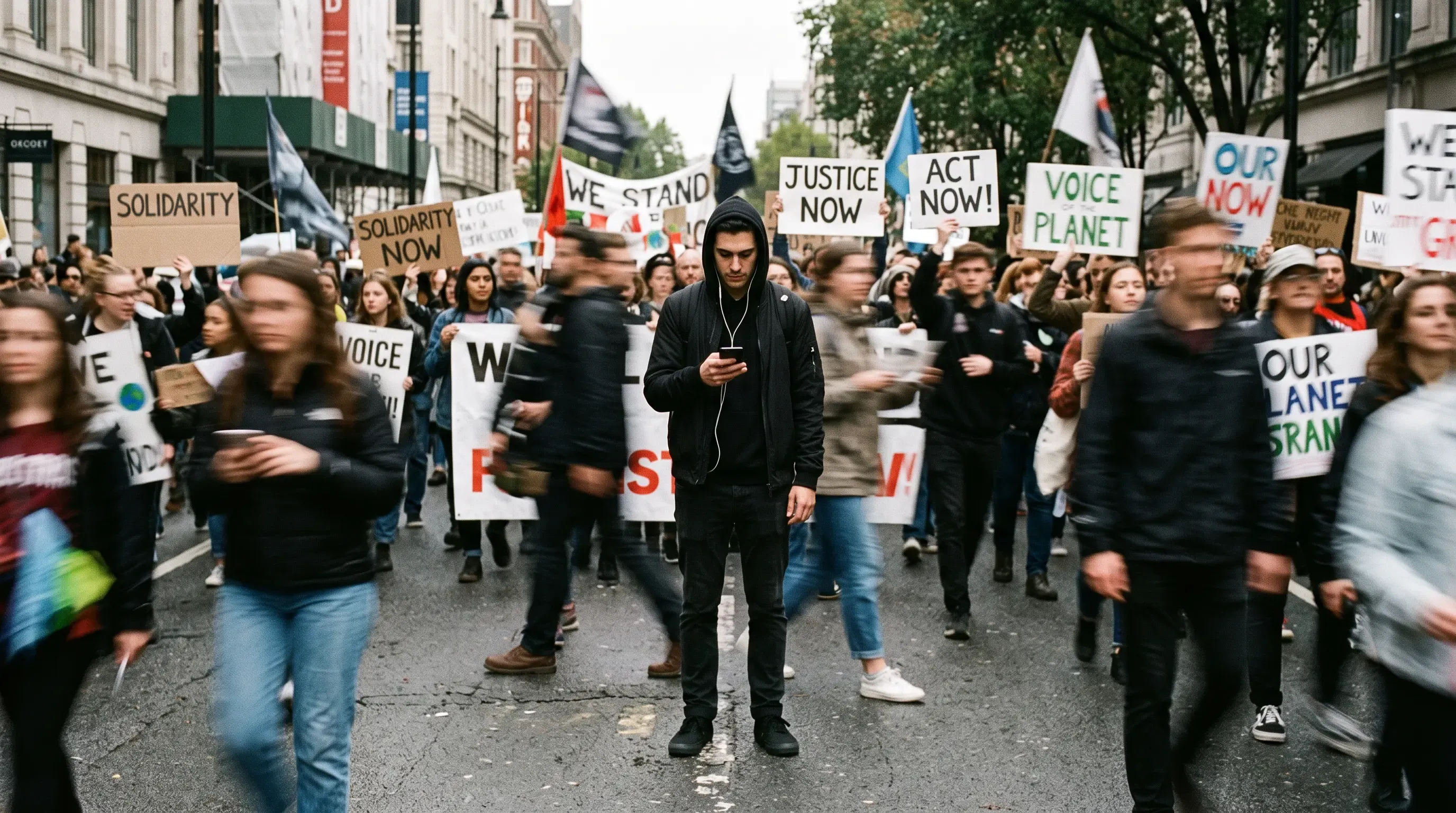
Saturday's protests saw hundreds of thousands march nationwide over the cost of living and education funding, with students joining trade unions.
France's Constitutional Council blocked a bill seeking to ban social media for under-15s this summer, finding it disproportionately infringed on minors' rights to freedom of expression and communication.
According to reporting by Politico, Gabriel Attal reiterated his call for the government to have the power to selectively block access to social media platforms during periods of civil unrest. He framed the proposal around the role social media plays in spreading images of looting: "You have young people at home who see their friends going out to loot, which gives the impression that they're getting away with it; they see them on social media, and then they go out too." He specified the measures must be "temporary" and "limited to the area where the riots are taking place."
The context is significant. The past few days saw hundreds of thousands of protesters take to the streets across France, with students — who have been blockading schools in recent weeks over study conditions, teacher shortages, and funding — joining trade unions and members of the public in protesting the cost of living.
Attal leads Macron's political party and is positioning himself as a presidential candidate. His proposal is not new — he has made versions of it before — but this unrest gave him a fresh occasion to reiterate it publicly.
What French Courts Have Already Said
Attal's proposal faces an immediate legal problem: French courts have already ruled against this approach.
During his tenure as prime minister in 2024, France blocked TikTok in New Caledonia during widespread protests there. France's highest administrative court subsequently ruled that the suspension constituted "a disproportionate infringement of rights and freedoms." That ruling didn't prevent the block from happening at the time — it arrived after the fact, as legal challenges to internet restrictions typically do — but it established a clear precedent that courts are willing to strike down localized platform blocks on proportionality grounds.
This summer, France's Constitutional Council blocked a bill seeking to ban social media for under-15s, finding the legislation disproportionately infringed on minors' rights to freedom of expression and communication. That ruling is directly relevant to Attal's proposal: if a blanket age restriction on social media fails proportionality review, a government-ordered blackout during protests — which would affect all users in the designated area, regardless of age or involvement in unrest — faces the same scrutiny under a higher standard.
The International Context
Internet shutdowns and social media blocks during protests are, as Politico observes, more commonly associated with countries like China, Iran, Russia, and India. We've spent much of this year documenting those shutdowns: India's 65 incidents in 2025, Delhi's eight in 2026 alone, Pakistan-administered Kashmir's partial blackout that began in June and outlasted the elections it was nominally imposed to manage. The same week France's riots prompted a presidential candidate to call for localized social media blocks, India's Supreme Court reaffirmed that internet access is a fundamental constitutional right — while authorities who had shut it down the week before told the court the shutdown was necessary.
The argument Attal is making — that social media amplifies disorder and that temporary, localized blocks are a proportionate response — is the same argument made to justify every election-related and protest-related shutdown we've covered.
The word "temporary" does a lot of work in that framing. France's 2024 New Caledonia block was described as temporary. Pakistan-administered Kashmir's June shutdown was a response to immediate unrest. Both outlasted the events that prompted them, or were ruled disproportionate after the fact.
What makes this story worth watching isn't Attal's proposal specifically — it's that a serious presidential candidate in a Western European democracy is openly calling for social media shutdowns during civil unrest, in a country whose courts have already said similar measures go too far. That's a different political context from the one in which these arguments usually appear.


Be part of the resistance, quietly.
Gintarė is a cybersecurity writer at Mysterium VPN, where she explores online privacy, VPN technology, and the latest digital threats in editorial pieces. With hands-on experience researching and writing about data protection and digital freedom, Gintarė makes complex security topics accessible and actionable.