Google Patent Describes AI TV Shows Starring You

Key Takeaways
Google filed a patent application for a TV channel of AI-made videos built around a single viewer, called My Channel.
The system would combine your viewing habits, your device's location and language, and your age group into instructions for an AI that makes the videos.
In the fullest version, it would build an avatar from your photos and copy your voice so you can star in the shows.
The filing says ads could be inserted into the videos. The patent examiner has rejected the application, but Google can still amend or appeal it.
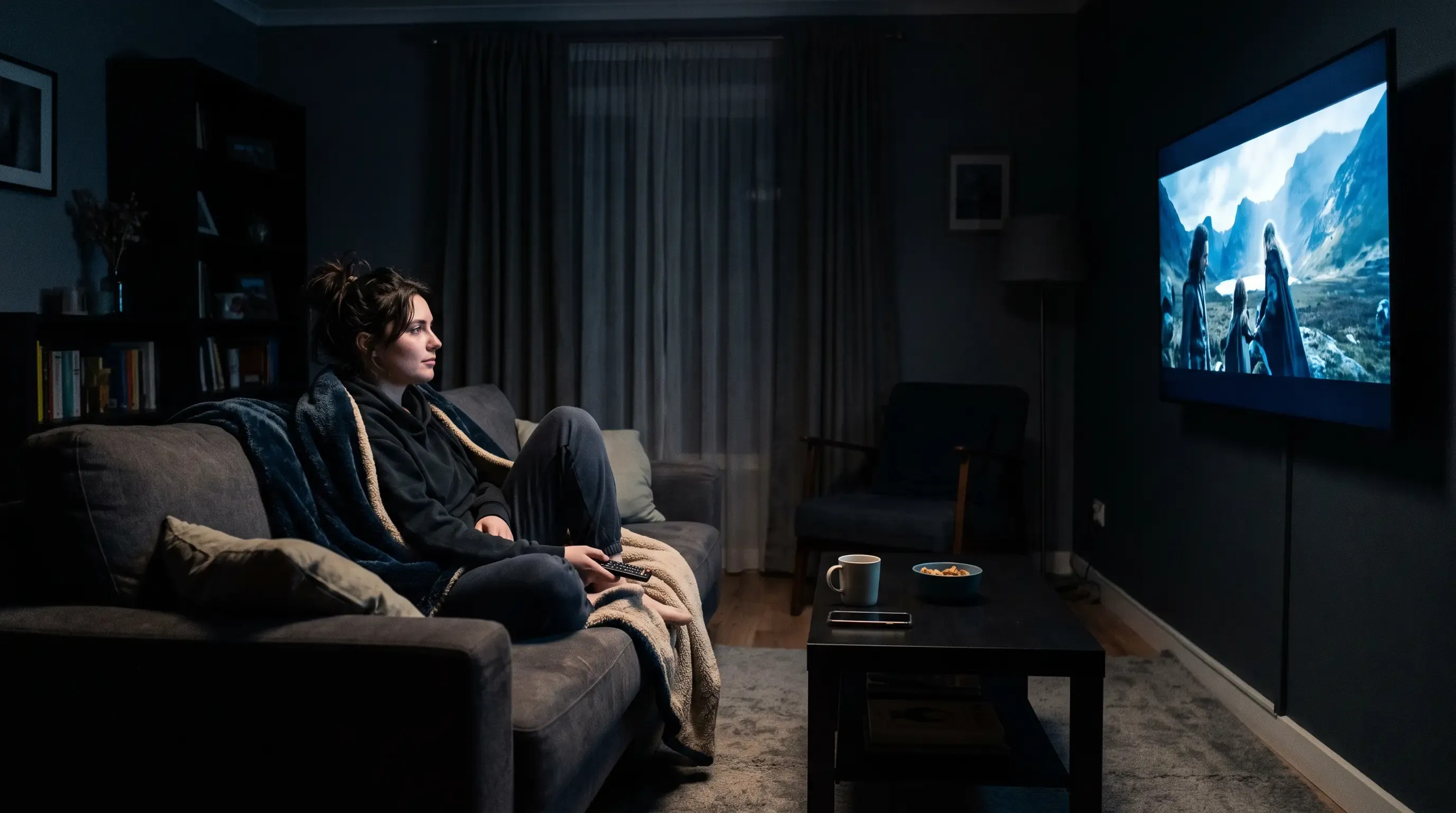
I had to read this one twice. According to a breakdown by Patentlyze, published November 20th, 2026, Google has filed a patent application for a TV channel full of AI-made videos created just for you. In the fullest version, you're the star.
It sounds like the plot of a Black Mirror episode. It's a real filing.
How My Channel Would Work
The idea is a My Channel option inside a TV app. Instead of only recommending shows other people made, the system asks an AI to make new ones for you. They appear as tiles on a personalized channel carrying your name, like John's Channel.
To write those shows, the system pulls together three kinds of information. It uses your preferences, like the genres and titles you watch. It uses context from your device, such as its IP address, language setting, or GPS location. And it uses demographic details, like your age group.
All of that becomes a written instruction for a language model, which makes the video. The filing says this can happen on a schedule, weekly or monthly, and that the instruction can be built without any input from you. A second AI can even pull in current news, social trends, and sports scores to make the story feel timely.
Then there's the option to make you the hero. The system can build an avatar from your photos and copy your voice for the lead character's lines. And an ad system can insert advertisements into the video before you watch it.
They Know Enough to Write You a Show?
Stop and think about what this requires. To make a show about you, a company needs to know what you watch, where you are, how old you are, and what you look and sound like. That's no longer a recommendation algorithm. It's a profile detailed enough to cast you as a character.
The filing says users can control what data is collected. But Patentlyze points out the catch: people who share less get worse results and fall back on generic defaults. The design rewards handing over more.
According to 404 Media, which also covered the filing, this is barely a step beyond what's already happening. Advertisers can already use AI to make many versions of the same ad and show each one to the people most likely to respond. A channel of shows built around you, with ads stitched in, is the same logic turned up.
We've written before about how much is already known about you. As we explained in our guide to what data brokers are and who buys from them, your habits, location, and likely traits are already collected and sold. This patent shows one more thing that data could be turned into.
Not a Product Yet
To be fair, this is a patent application, not a launch. The patent examiner has issued a final rejection, though Google can still change the claims or appeal. Companies regularly file patents for ideas they never build.
But a patent shows what a company is thinking about. And this one imagines a future where your data isn't just used to sell you things. It's used to make you the main character in an ad-supported show you never asked for.
Pay attention to what your TV and streaming apps collect, and use the privacy settings they offer. The less a company knows about you, the less it can build out of you.


Be part of the resistance, quietly.
Gintarė is a cybersecurity writer at Mysterium VPN, where she explores online privacy, VPN technology, and the latest digital threats in editorial pieces. With hands-on experience researching and writing about data protection and digital freedom, Gintarė makes complex security topics accessible and actionable.
Related Articles