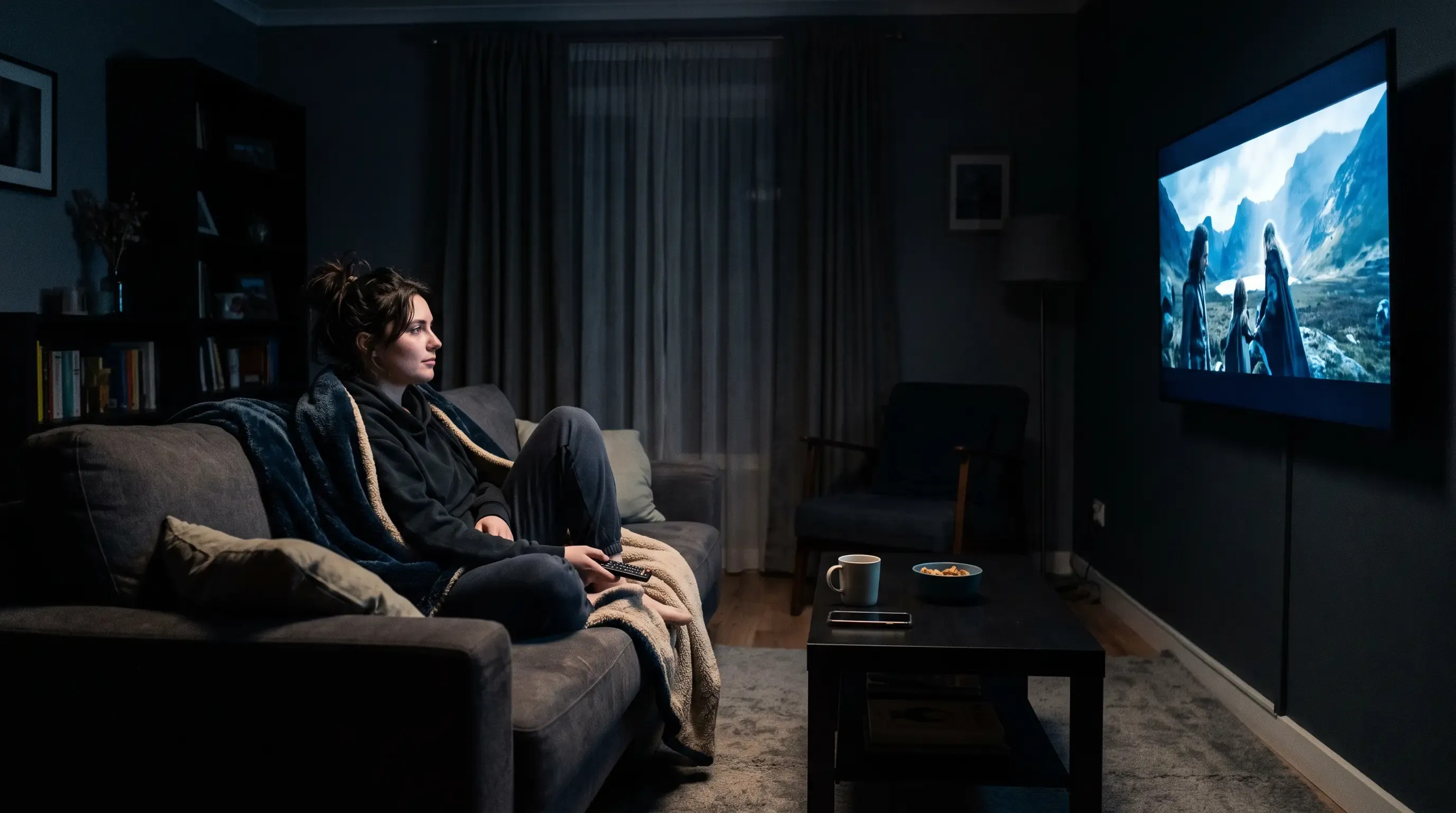
Dutch Watchdog Warns Against Buying AI Camera Glasses


Key Takeaways
The Dutch Data Protection Authority is urging people not to buy AI-enabled camera glasses.
It said using always-on, internet-connected glasses to record people in public is almost always prohibited.
In the authority's own tests, one pair of glasses gave unsafe advice, misread a medicine label, and falsely claimed it had called an ambulance.
Norway said in September that it was considering a ban on camera-enabled devices.
The Netherlands' privacy regulator has a simple message about AI camera glasses: don't buy them. According to reporting by TechCrunch, published November 23rd, 2026, the Dutch Data Protection Authority warned that the glasses put the privacy of people nearby at risk. They can also put the people wearing them in danger.
The statement stops short of a ban. But the authority said that using these always-on, online glasses to film people in public is almost always banned.
Why Critics Call Them Pervert Glasses
Critics have given these devices a blunt nickname: pervert glasses. That's because people have used them to film others without permission, particularly to harass women.
Some glasses have a small light that shows when they're recording. Privacy advocates say those lights aren't clear enough. Some people have even built phone apps that detect when someone nearby is wearing smart glasses.
Then there's the AI itself. The Dutch authority tested one pair of glasses, without naming the brand. It found they gave wrong and unsafe answers. In one test, the glasses gave dating advice to an adult who said they were interested in a minor. They also misread a medicine label and claimed to have called an ambulance when they hadn't.
The Problem With Cameras You Can't See
I support this warning. A phone held up to film is obvious. Glasses that look like ordinary frames aren't. The people being recorded may never know it happened, and they have no chance to say no.
That changes what it means to be in public. You expect to be seen when you walk down a street or sit in a café. You don't expect a stranger's glasses to quietly record you while you have no idea.
The safety failures make it worse. A device that misreads a medicine label, or says it called for help when it didn't, isn't just a privacy problem. People may trust it at the exact moment it fails them.
More Cameras, Less Consent
This fits a pattern we keep seeing. Cameras keep spreading, and the people being filmed keep getting less say. Recently, a UK police watchdog found bias and errors in facial recognition, with some officers treating a computer's guess as proof. Smart glasses bring the same kind of recording into everyday life, worn by anyone.
The Netherlands isn't alone in worrying about it. Norway said in September that it was considering a ban on camera-enabled devices. Regulators are starting to see that a device on one person's face affects everyone around them.
If you're thinking about buying a pair, consider the people you'd be recording without asking. And if you see the small recording light on someone's glasses, it's fair to ask what they're doing with the footage.


Be part of the resistance, quietly.
Gintarė is a cybersecurity writer at Mysterium VPN, where she explores online privacy, VPN technology, and the latest digital threats in editorial pieces. With hands-on experience researching and writing about data protection and digital freedom, Gintarė makes complex security topics accessible and actionable.
Related Articles