Study to Measure Social Media Ban's Effect on Children

Key Takeaways
A new two-year study will track how the UK's social media ban for under-16s affects children's mental health, sleep, friendships, and schooling.
It will follow about 1,150 children aged 5 to 17 from the Children of the 90s study, along with their parents, before and after the ban.
Researchers want to know whether the ban works as intended or causes unintended harm, and which groups are hit hardest.
The ban is expected to take effect in spring 2027.
The UK is about to ban under-16s from social media, and researchers want to find out what actually happens next. According to a press release from the University of Bristol, published on November 18th, 2026, a new study will track how the restrictions affect children's mental health and wellbeing.
The study will follow about 1,150 children aged 5 to 17, plus their parents, over two years. All of them are part of Children of the 90s, a long-running Bristol health study that began with pregnant women in the early 1990s and now follows their children and grandchildren. Researchers at the University of Edinburgh are leading the work.
It's part of a larger package of research funded by Wellcome, with ten workstreams across the UK. One of them looks at how the restrictions affect LGBTQ+ young people.
What the Researchers Want to Know
The study will track mental health, sleep, socializing, education, and physical activity. It will ask children why they use social media, whether they find it hard to stop scrolling, and what they do instead once the ban arrives. For the first time, the youngest participants will fill in their own questionnaires, with consent from their parents.
Parents will answer questions too. That way, researchers can see how parents' own habits shape their kids' use, and how families feel about the ban.
Lead researcher Dr Alex Kwong said the team wants to know whether the ban will have its intended effect or lead to unintended consequences. He described it as the difference between policy on paper and policy in practice.
The Concerns Families Are Already Raising
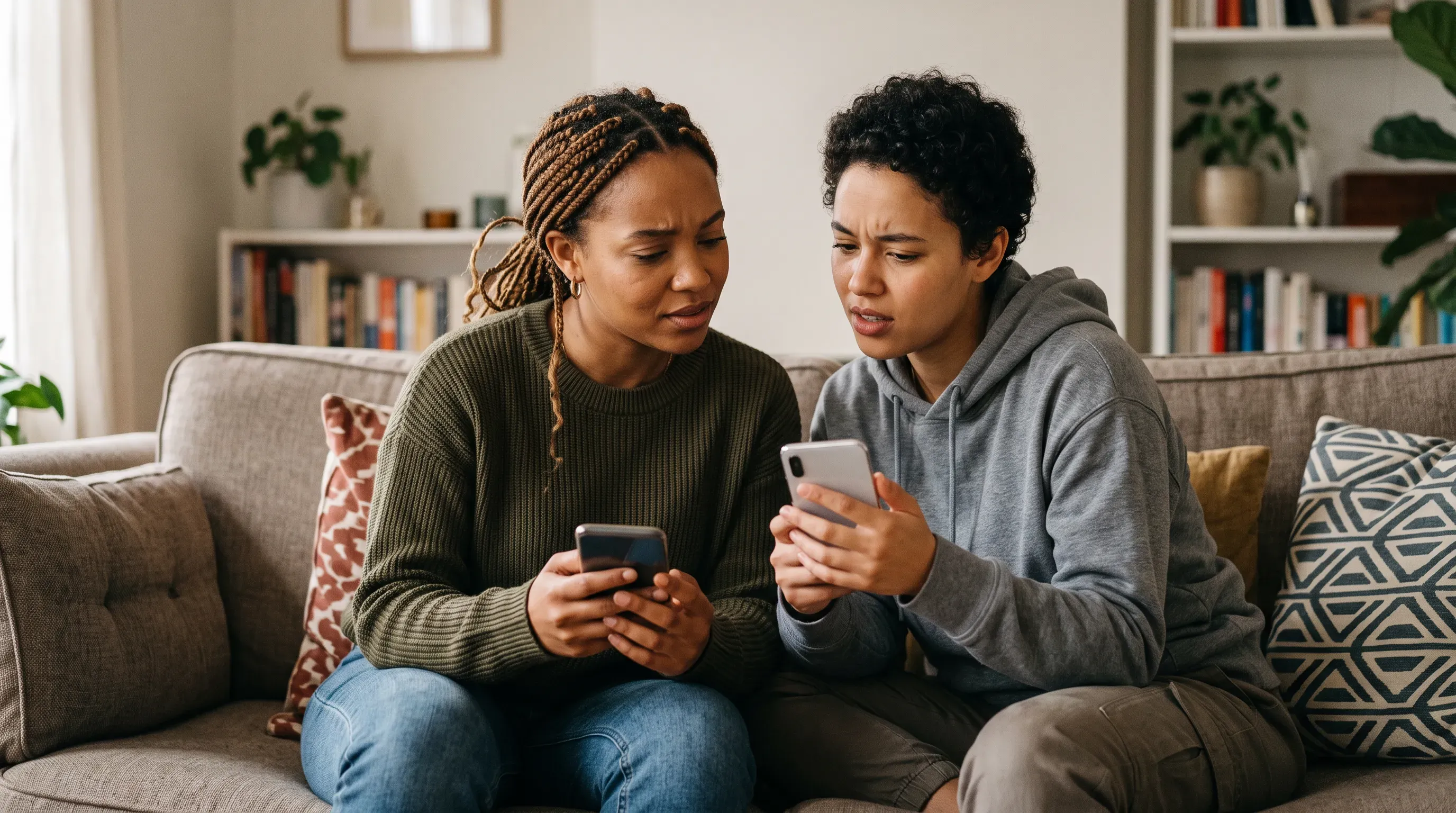
According to the BBC, some families taking part are already worried. Zara Rose, a long-time Children of the 90s participant, said she can see benefits to the ban. But she has autistic children who find face-to-face socializing hard, and social media has helped them make connections.
The researchers also spoke with more than 500 families while designing the questions. Some teenagers said their parents might help them access social media despite the ban. Many parents said they already use monitoring apps to see what their kids do online.
Ban First, Evidence Later
I'm glad this study exists. Asking children and parents directly, and tracking what changes, is exactly what this debate has been missing.
But notice the order. The ban arrives in spring 2027, and the evidence on whether it helps comes afterward. Children across the UK will live through the change before anyone knows the result. And the kids most likely to lose something, like those who rely on online connections, are the ones the study has to look for.
There's a cost for adults, too. Enforcing a ban like this means age checks, and as we covered when the UK's under-16 ban started moving toward Vinted and eBay, the list of covered apps keeps growing.
Good research should shape policy, not just measure it after the fact. Keep an eye on what this study finds, and on whether the government is willing to change course if the results point that way.


Be part of the resistance, quietly.
Gintarė is a cybersecurity writer at Mysterium VPN, where she explores online privacy, VPN technology, and the latest digital threats in editorial pieces. With hands-on experience researching and writing about data protection and digital freedom, Gintarė makes complex security topics accessible and actionable.
Related Articles