Why Online Anonymity Matters and How to Keep It

Key Takeaways
Online anonymity doesn’t mean hiding something nefariously. It's context separation, something you already do offline without thinking about it.
The UN's former Special Rapporteur on Freedom of Expression concluded that anonymity and encryption are key enablers of free expression and deserve strong protection.
You can be meaningfully harder to identify without being untraceable. That's the realistic goal.
This is part of a series explaining how the internet works underneath the parts you see. Anonymity gets treated as a special request. Something you'd only want if you had a reason to hide. That framing is backward, and most arguments for ending anonymity depend on it.
Anonymity Is Context Separation
Here's what you already do. You tell your doctor things you don't tell your manager. You behave differently at a funeral than at a party. You have a version of yourself for family, another for colleagues, and another for people who knew you at nineteen. None of that is deceptive. It's how social life works. Different contexts get different parts of you.
The Australian online safety regulator eSafety describes two forms: total anonymity, where you reveal nothing identifying, and partial anonymity, where you reveal yourself to a limited audience but not the general public. Most people want the second one. A consistent identity, a reputation, a community, without that being attached to the name on their passport.
Digital Rights Watch described not being anonymous like this: imagine walking around with a screen above your head, permanently displaying your name, date of birth, and neighborhood to anyone who looks. That's what the internet does by default. Anonymity puts the walls back.
Who Actually Needs It
In 2015, David Kaye, then UN Special Rapporteur on Freedom of Expression, reported to the General Assembly that encryption and anonymity are key enablers of the rights to opinion and expression, and deserve strong protection. He specifically noted their importance for people facing persecution over sexual orientation or gender identity, and for women and sexual minorities.
The everyday cases are less dramatic and more common. Someone looking up a health question they're not ready to discuss. Filters already block much of the health information girls need most, and the same logic applies to the search itself.
Someone leaving an abusive relationship. Someone working out whether what they're feeling has a name. People search differently when they believe there's a record. A young person finding community that isn't safe to find locally. eSafety notes that anonymity lets people who are same-sex attracted, intersex, or gender diverse explore their identity without being outed to family. Those support communities are frequently the only ones available.
There's also a point about accuracy that gets missed. For trans and non-binary people, a real-name requirement doesn't reveal the truth about someone. It forces a name that isn't who they are.
The Argument Against Online Anonymity
eSafety's own investigations find anonymity used as a tactic by people seeking to abuse others. Most image-based abuse complaints it receives involve anonymous accounts. Most of its child sexual abuse material investigations involve anonymous posting. Predators use fake profiles and avatars to pose as children. Fake accounts get discarded and replaced, which makes blocking useless and reporting harder.
None of that is disputable, and anyone arguing for anonymity who skips it isn't arguing seriously. Here's the part that changes the conclusion.
After racist abuse of England players during the 2020 Euros, Twitter published its own analysis. According to that report, 99% of the accounts it suspended weren’t anonymous, and ID verification would have been unlikely to prevent the abuse.
eSafety reaches a similar conclusion from the other direction, stating that limiting anonymity wouldn’t stop all online abuse, and that abuse and hate speech aren’t always committed by anonymous accounts. So the harms are real, and the proposed fix doesn't address them. Most abuse comes from people willing to attach their names to it.
What a real-name requirement (proving your identity to access a website) does is expose the people who needed the protection. Digital Rights Watch lists the costs of forcing identity verification: harassment, employment discrimination, physical danger, and in some jurisdictions arrest or worse.
What's Pushing It Out Anyway
Three things, running at once.
1. Identity requirements keep spreading: Age verification now reaches far past adult content, and every document check converts anonymous access into identified access.
2. Linkage keeps improving: You don't need to be identified directly if enough signals point the same way, and data brokers exist to connect those signals.
3. And the default has flipped: Account requirements for things that used to be open mean anonymous access keeps shrinking without anyone deciding to abolish it.
How to be Anonymous Online
None of this is perfect anonymity, and anyone promising that is selling something.
- Keep identities separate on purpose: Different usernames for different contexts. Reusing one handle everywhere is the easiest way to connect everything you do.
- Use email aliases: A unique address per service stops your email from becoming the key that links accounts.
- Watch for cross-contamination: Same profile photo, same phrasing, same posting hours. People get identified by patterns more often than by leaks.
- Don't log in when you don't have to: Once you authenticate, you've answered the identity question yourself.
- Strip metadata from photos: Images often carry location and device data. Most platforms remove it. Files sent directly usually keep it.
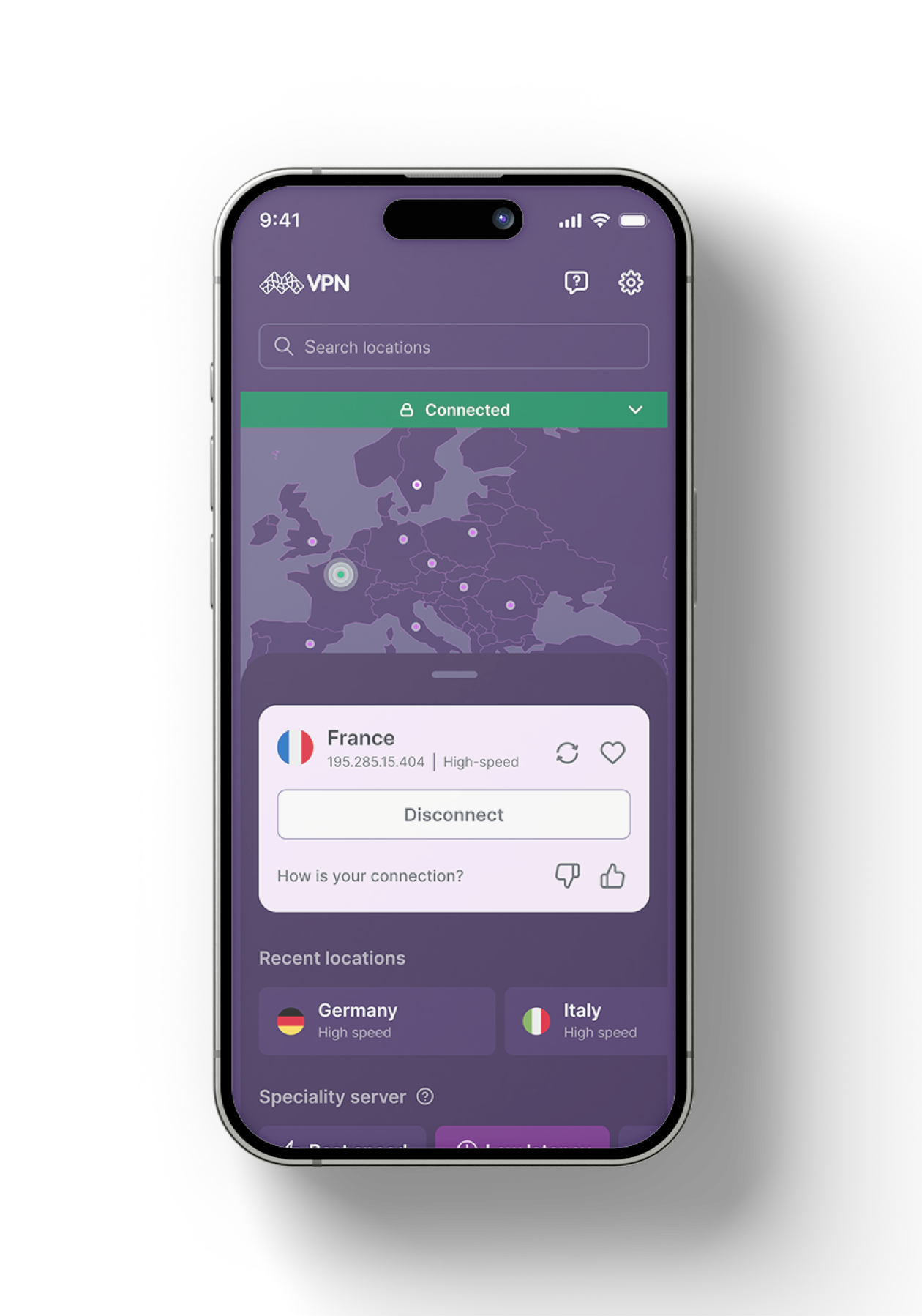
- Use a VPN: VPNs are among the technical approaches to anonymity, noting they mask location and device details. Your IP address reveals rough location and helps link your activity across sites. A VPN replaces it and stops your provider from logging where you go.
Why This Is Worth Defending
eSafety's framing is the right one: restrict the misuse without removing the legitimate benefits. That's harder than banning anonymity, which is why banning it keeps getting proposed.
The reason to care isn't that you personally have something to protect. It's that a system without anonymity is one where only people with nothing at stake can participate freely.
Everyone else self-censors. Not dramatically. They just don't look it up, don't join, don't ask.
That cost never appears anywhere. It's the thing that didn't happen, which is why it's easy to legislate away and hard to notice afterward.


Be part of the resistance, quietly.
Gintarė is a cybersecurity writer at Mysterium VPN, where she explores online privacy, VPN technology, and the latest digital threats in editorial pieces. With hands-on experience researching and writing about data protection and digital freedom, Gintarė makes complex security topics accessible and actionable.
Related Articles