An 85–90% AI Match Was Enough to Beat a 15-Year-Old. He Was Innocent


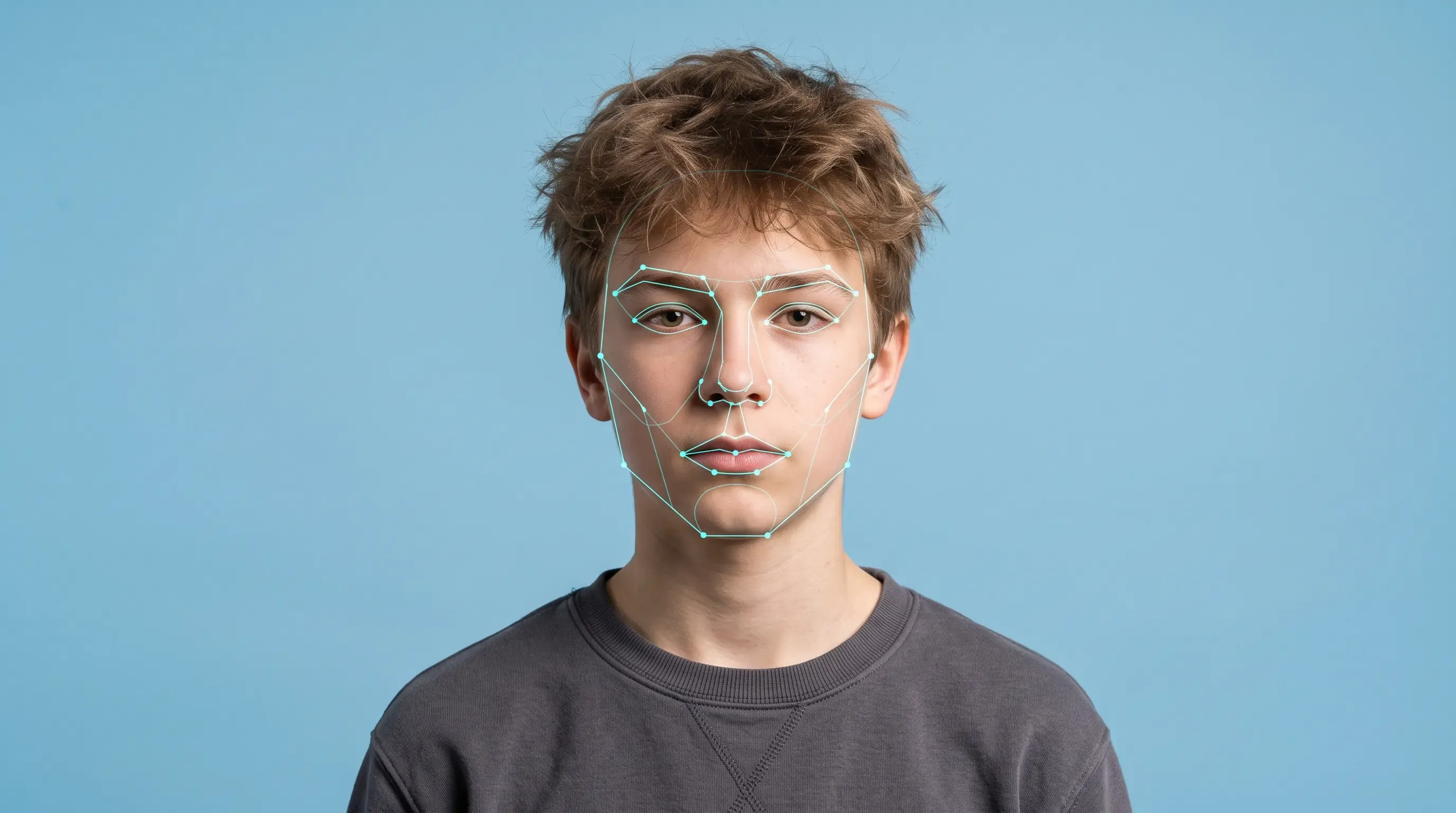
Key Takeaways
- Moscow police beat a 15-year-old in May 2026 after an AI facial recognition system flagged him as an 85–90% match with a person wanted for drug distribution.
- After being knocked to the ground, beaten, and taken to a police station, the boy was released following questioning. Doctors diagnosed him with a concussion, a head injury, hematomas, bruises, and abrasions.
- The official police account says he "actively resisted arrest" and that officers used "combat fighting techniques." His parents have appealed to Russia's Investigative Committee and received only form letters for four months.
- The case illustrates the gap between an AI system's confidence threshold and the standard of certainty that should be required before police use force — a gap that becomes a physical injury when the system is wrong.
AI Said 85–90%. Police Acted. The Boy Was Innocent.
In early May 2026, two Moscow police officers approached a 15-year-old from behind in the city's Lomonosovsky District, knocked him to the ground, and beat him.
They took him to a police station and told his mother, when they called her two hours later, that her son was suspected of distributing drugs — based on data from an AI facial recognition system that had flagged an 85–90% match with a person named in a wanted notice.
After questioning, the boy and his mother were released. Doctors later diagnosed the teenager with a concussion, a head injury, hematomas, bruises, and abrasions, according to reporting by journalist Ksenia Sobchak via Meduza.
The official police account says the teenager "actively resisted arrest" and that officers used "combat fighting techniques." His parents have appealed to Russia's Investigative Committee, the country's principal federal investigative agency. Four months later, they have received only form letters saying a review is underway.
The boy wasn’t the person on the wanted notice. The AI system was wrong.
What 85–90% Confidence Actually Means
An 85–90% match sounds like a high degree of certainty. In practice, it means a one-in-ten or one-in-six chance the system made an error. Applied to a traffic stop or a search of public records, that error rate might produce an inconvenience. Applied to a decision to physically detain someone in the street using force, it produces what happened to this 15-year-old.
This is not a bug unique to Russia's facial recognition infrastructure. The documented error rates for facial recognition systems globally are higher for certain demographic groups — darker-skinned individuals, women, and younger people — and the systems improve, but never reach certainty.
What changes between a system with a 10% error rate and a system with a 1% error rate is not the fundamental problem: at any error rate, some fraction of people who match a watchlist entry are innocent. The question is what happens to them.
In Moscow, what happened was a physical assault before anyone verified the match. The AI output moved from an algorithm to a police decision to the use of force in a single step, with no apparent human review between the match threshold and the officer's response.
We've covered the London Underground launching live facial recognition trials this week. The BTP's own data shows 530,000 scans across UK railway stations since February, producing zero arrests and one false identification. London's framework includes human review of matches before any action is taken.
The Moscow case is a concrete example of what happens when that review step is compressed or removed — when an AI confidence score becomes, functionally, a command.
The Accountability Gap
The parents' four months of form letters from the Investigative Committee is its own story. Russia's facial recognition infrastructure has been built and expanded with minimal public accountability, and the mechanisms that might hold it accountable — independent courts, free press, civil society organizations with legal standing — are themselves under systematic pressure.
The journalist who reported this case, Ksenia Sobchak, operates in a media environment where independent reporting on state conduct carries significant personal risk.
But the accountability gap isn't unique to Russia's political system. It follows the technology. Every facial recognition deployment we've covered — in Western Australia, in the UK, in India — involves some version of the same pattern: the technology expands faster than the oversight frameworks designed to constrain it, and the people who bear the cost of errors are rarely the people who made the deployment decision.
A 15-year-old with a concussion and four months of unanswered appeals is the most concrete version of what "the error rate is acceptable" looks like from the receiving end. It's worth keeping that in mind every time a government announces a new surveillance trial with adequate safeguards and clear signage.


Be part of the resistance, quietly.
Get Mysterium VPN
Gintarė is a cybersecurity writer at Mysterium VPN, where she explores online privacy, VPN technology, and the latest digital threats in editorial pieces. With hands-on experience researching and writing about data protection and digital freedom, Gintarė makes complex security topics accessible and actionable.
Related Articles
.png)