Philippines Approved Social Media Ban for Children Under 18

Key Takeaways
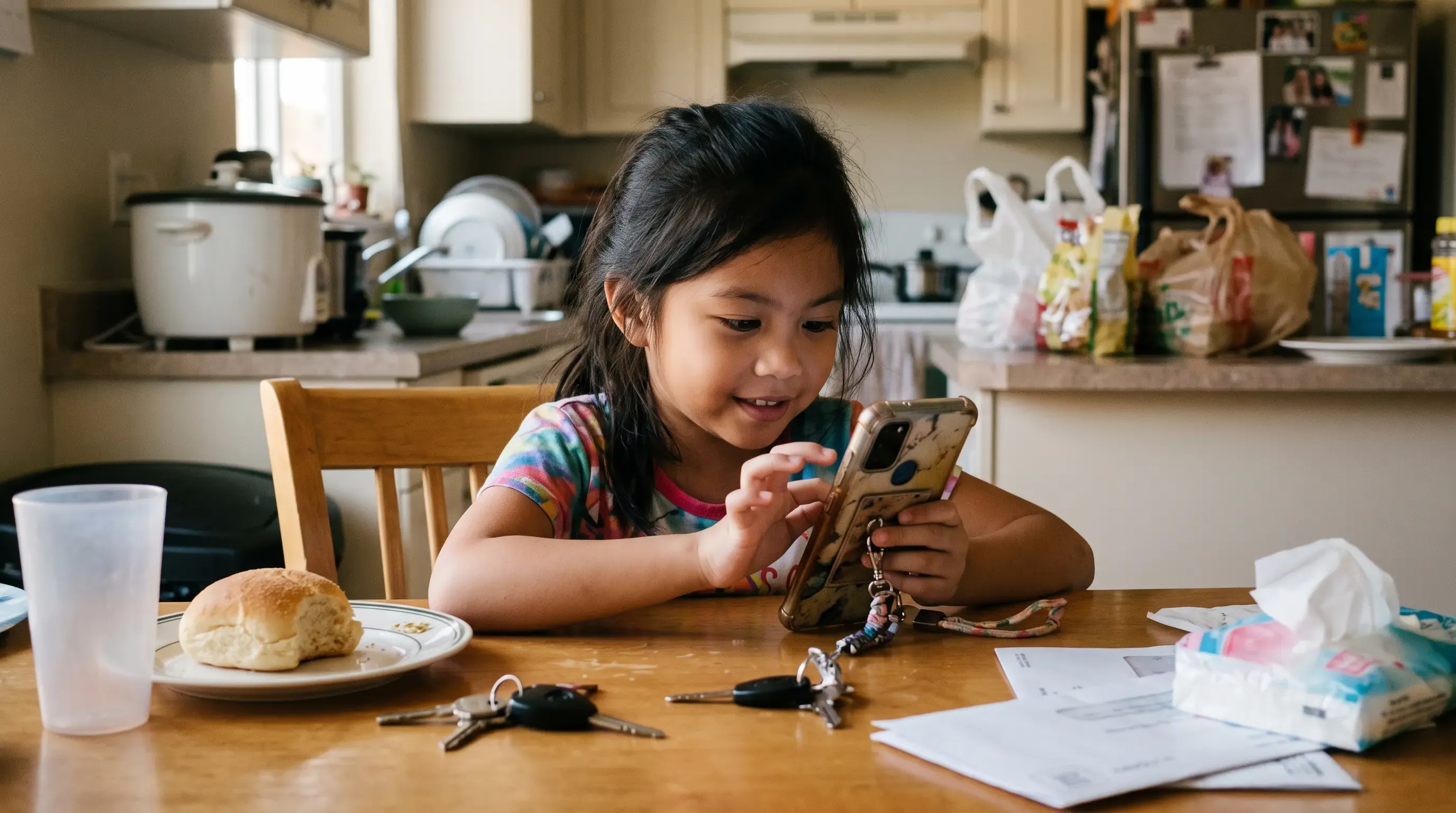
The Philippines Senate approved banning children under 18 from social media and other "high-risk digital services".
The ban explicitly can’t be overridden by parental consent, authorization, or supervision, meaning even 16- and 17-year-olds have no pathway to access covered platforms.
Age verification requires primary authentication through PhilSys or another government-issued ID. Age estimation and other methods may supplement, but cannot replace, ID verification.
Coverage extends beyond social media to online gaming services with social networking functions, with Roblox and Gorebox explicitly named.
The Philippines Senate has approved the SMART KIDS Act — Senate Bill 2424 — in a form that goes further than any comparable legislation passed elsewhere. Where most countries imposing social media age restrictions have set thresholds at 13, 15, or 16, and have generally provided for graduated access or parental override for older teenagers, the Senate-approved version bans all children under 18 with no exceptions and no parental carve-out. The bill explicitly states that parental consent, authorization, or supervision can’t override the prohibition.
The bill now differs substantially from the earlier version, which proposed restrictions for children 13 and under with tiered access provisions for older minors. Reconciliation between the two versions will determine what actually becomes law. Six major changes distinguish the Senate bill from the original proposal.
The age threshold was raised from 16 to 18. Coverage was expanded from social media alone to "high-risk digital services" — a category that includes online gaming platforms with social networking functions. Age verification now requires a government-issued ID as the primary authentication method. Restrictions on addictive design features were added, specifically naming autoplay, infinite scrolling, push notifications, engagement metrics, and algorithmic amplification. Emergency response obligations for harmful content were formalized. And the requirement for foreign platforms to maintain a physical local office was dropped, replaced by a requirement to designate a legal representative or authorized contact.
The Scope Is Unusually Wide
The bill's coverage of "high-risk digital services" is broader than its social media framing suggests. Online gaming services with social networking functions — including features allowing users to communicate, join communities, or share content, including livestreams — are covered.
Roblox and Gorebox are explicitly cited as examples. There’s no minimum audience size or revenue threshold in the bill, meaning small livestreaming platforms and online communities face the same compliance obligations as Meta or TikTok.
Exemptions exist for email, certain private messaging services, educational platforms, digital news services, and professional collaboration tools. But the absence of a size threshold is significant: a community-run platform with a few thousand users would technically be in scope if it meets the functional definition of a high-risk digital service.
The ID Requirement and What It Creates
The original bill allowed various age assurance methods. The Senate version requires government ID — specifically PhilSys, the Philippines' national identity system, or an equivalent — as the primary authentication method. Age estimation technologies and other approaches may supplement ID verification but cannot replace it. Platforms are prohibited from retaining copies of the IDs and should receive only confirmation that a user meets the age requirement.
That data minimization provision addresses the most obvious breach risk, but it doesn't eliminate the underlying structure being created: a system in which accessing social media requires proving your identity to a platform through a government document. The bill itself acknowledges this raises "questions about online anonymity, surveillance risks, and access for adults without acceptable identification documents." That acknowledgment is in the bill text; it doesn't resolve the tension.
Adults without acceptable ID — a category that includes undocumented residents, people whose documents are expired, and others who are disproportionately likely to be in vulnerable situations — face exclusion from covered platforms as a consequence of a child safety measure.
How It Compares to the Rest of the Wave
The Philippines Senate's version is the strictest age restriction law passed anywhere in the current wave. Australia banned under-16s. Türkiye and the EU's KIDS Act set the threshold at 15. Greece is moving toward 15. The Philippines has gone to 18, with no parental override, government ID required, and coverage extending to gaming.
The addictive design feature restrictions — autoplay, infinite scrolling, algorithmic amplification — echo provisions in California's AB 1709 and the EU KIDS Act. But those laws allow older minors access with restrictions. The SMART KIDS Act doesn't: it treats a 17-year-old the same as a 12-year-old.
The bill still needs to be reconciled with the House version before it becomes law. That reconciliation process will determine whether the 18-year threshold, the absolute parental override prohibition, and the gaming platform coverage survive into the final text.


Be part of the resistance, quietly.
Gintarė is a cybersecurity writer at Mysterium VPN, where she explores online privacy, VPN technology, and the latest digital threats in editorial pieces. With hands-on experience researching and writing about data protection and digital freedom, Gintarė makes complex security topics accessible and actionable.
Related Articles