The UK Uses AI to Determine If a Child Is a Child. It's Getting It Wrong


Key Takeaways
- A Guardian investigation found that facial recognition and AI age-assessment tools used by UK immigration authorities exhibit significant bias, causing child refugees to be incorrectly classified as adults.
- Children misclassified as adults lose access to child-specific protections, support, and legal rights — with consequences that can follow them through the entire asylum process.
- The finding adds to a substantial body of evidence that AI facial recognition systems perform worse on darker-skinned individuals, with error rates that are not distributed evenly across the population.
- The UK government is deploying AI surveillance tools on some of the most vulnerable people in the world — people with no power to contest the system's decisions and everything to lose from its errors.
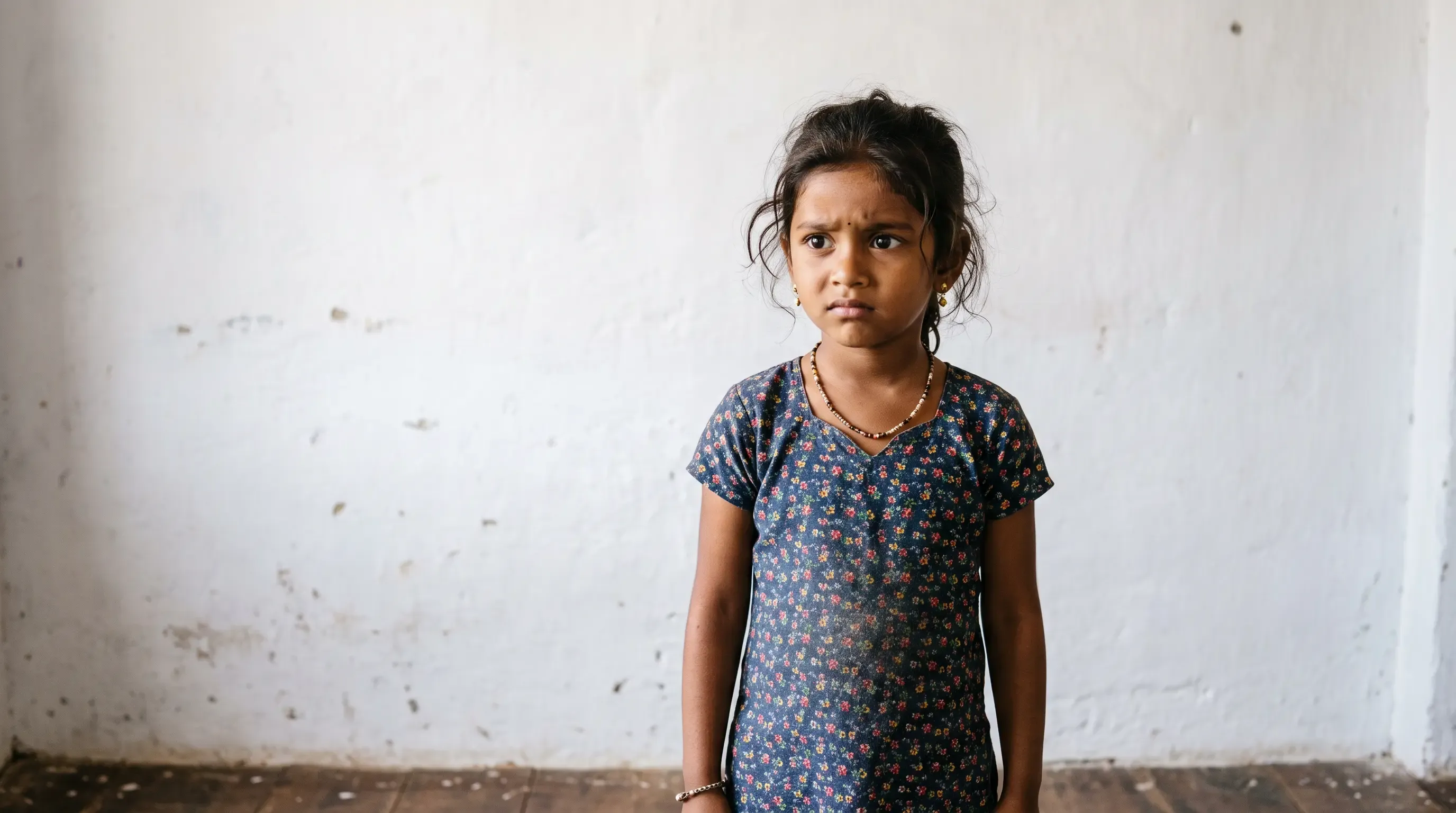
A Guardian investigation has found that AI age-assessment tools used by UK immigration authorities are misclassifying child refugees as adults, according to the report. The system uses facial recognition and algorithmic assessment to determine a person's age when documentation is unavailable, which is frequently the case for refugees who've fled conflict or persecution.
When the system gets it wrong, a child gets treated as an adult. That's not a technical error. That's a child losing access to the legal protections, support services, and procedural rights that exist specifically because they're a child.
The investigation highlights significant bias in the tool, which is consistent with the documented pattern across facial recognition systems globally, where error rates are higher for people with darker skin, and higher again for women with darker skin. Child refugees from the Global South are therefore among the most likely to be misclassified. The population most vulnerable to the system's errors is the population least able to contest them.
I want to be direct about what this means in practice. A child incorrectly classified as an adult by an immigration AI faces a fundamentally different legal process. They may be detained in adult facilities. They may be processed under adult rules that don't include the safeguards designed for minors. Their asylum claim may be assessed without the protections that would apply to a child. And because the system's output carries institutional weight, challenging the classification requires resources, legal support, and access to appeals processes that many refugees don't have.
The Irony of Deploying Biased AI in the Name of Protecting Children
We spend a significant amount of our coverage tracking legislation that claims to protect children online — age verification mandates, social media bans, content filters. The consistent criticism of those approaches is that they're blunt instruments that create collateral harm without reliably achieving their stated goals, and that the people making the decisions aren't sufficiently accountable for the consequences of getting it wrong.
The UK's immigration AI applies the same critique in a starker context. This is a tool deployed by a government agency, on people who've fled violence and have no practical ability to push back, making a determination with serious legal consequences — and it's biased in ways that disproportionately harm the most vulnerable group in the room. The children most likely to have fled the most difficult circumstances are the children most likely to be misidentified as adults.
The broader pattern is one we've documented repeatedly: AI surveillance systems deployed in high-stakes contexts before their error rates are adequately understood, with the errors falling hardest on people who have the least power to correct them. Rite Aid's facial recognition misidentified customers and caused real harm before the FTC stepped in.
Western Australia launched real-time facial recognition before the hard questions about accuracy and proportionality were answered. The UK's immigration age-assessment tool appears to be another entry in that list — except the subjects here are children seeking asylum, which makes the stakes of getting it wrong considerably higher.
Getting This Right Is a Values Question, Not Just a Technical One
Fixing algorithmic bias in age-assessment tools isn't purely an engineering problem. It requires a decision about what level of error is acceptable when the subject is a child refugee, and who bears the consequences of that error. Right now, the answer is: the refugee does.
A government serious about protecting children — not just as a political message but as a genuine policy commitment — would apply that seriousness consistently. It would ask whether a tool that misclassifies children as adults meets the standard of care it owes to the most vulnerable people it encounters. It would ensure that the populations most affected by the tool's errors have meaningful ways to contest its conclusions.
And it would hold itself accountable for the consequences of deploying a biased system before those questions were satisfactorily answered. Children deserve better than being on the wrong end of a biased algorithm at the moment they need protection most.


Be part of the resistance, quietly.
Get Mysterium VPN
Gintarė is a cybersecurity writer at Mysterium VPN, where she explores online privacy, VPN technology, and the latest digital threats in editorial pieces. With hands-on experience researching and writing about data protection and digital freedom, Gintarė makes complex security topics accessible and actionable.
Related Articles
.png)