Italy Fines Meta €805 Million Over Facebook Photo Access

Key Takeaways
Italy's data protection authority fined Meta €805 million for accessing Android users' photos, videos, and related data without specific consent.
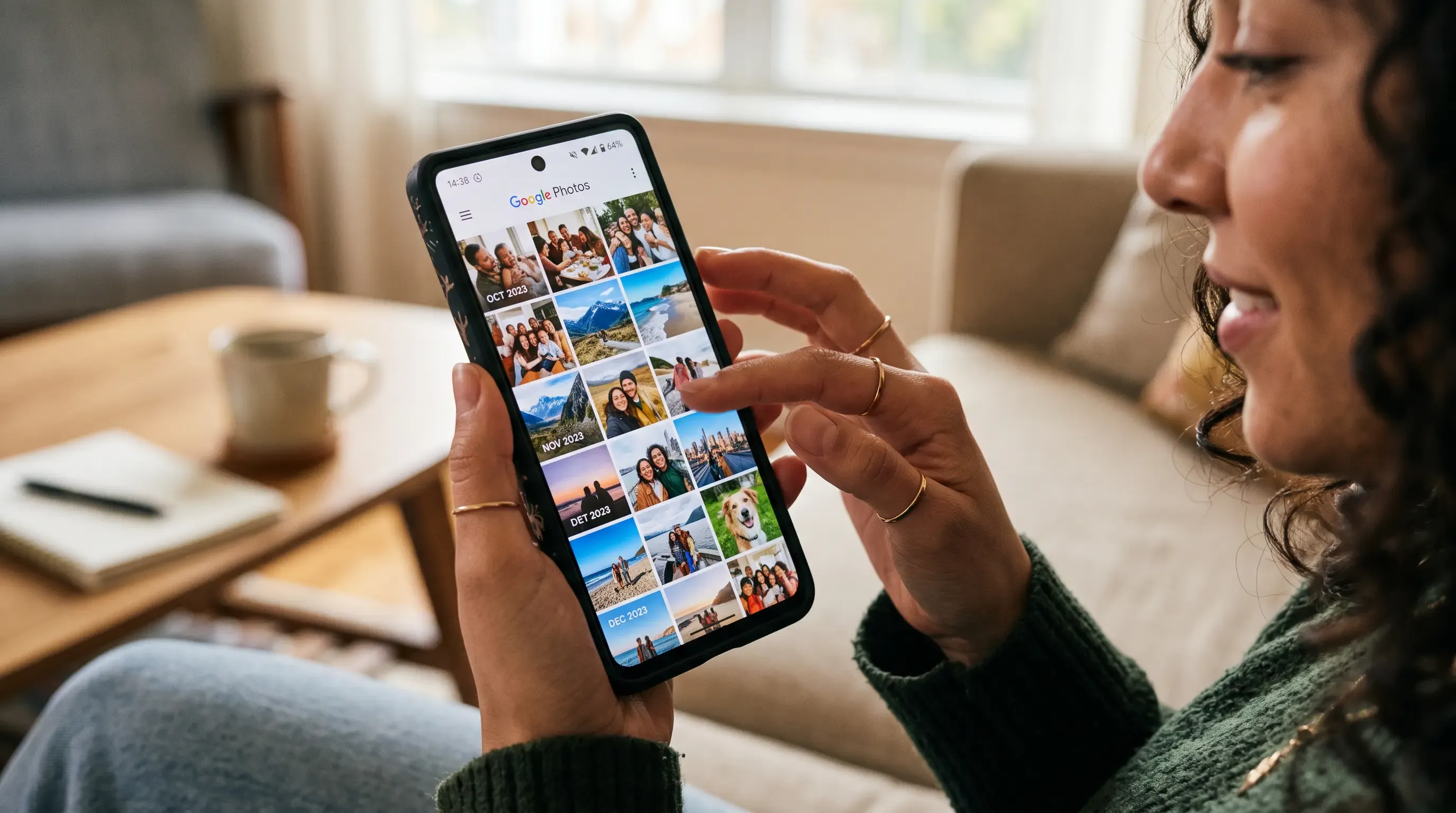
The issue is Facebook's gallery suggestions feature, which suggests photos from your phone as ideas for posts.
Users gave one broad permission for the whole app, after a vague notice that didn't explain that it covered their gallery.
Meta says it strongly disagrees with the decision and plans to appeal.
Facebook's Android app has been looking at people's photos, and Italy says users never really agreed to it. According to Agence France-Presse reporting published by The Guardian on November 15th, 2026, Italy's data protection authority fined Meta €805 million.
The regulator said Meta reached into Italian users' photos, videos, and the data attached to them. It didn't ask for clear consent or tell people properly. It's one of the biggest fines Italy has ever given a tech company.
Meta plans to appeal. It said it strongly disagrees with the ruling and that the fine is too high.
One Permission, Your Whole Gallery
The case is about Camera Roll Sharing Suggestions, a feature available since 2023. While you browse, it suggests photos and videos from your phone as ideas for new posts.
To make that work, Facebook asked for one permission that covered the whole app. Before that, users saw a vague notice about turning on other features. The regulator said nothing made it clear that tapping yes also opened up their photos.
Now Meta has to ask separately and specifically for this feature. It has to say plainly that the feature looks at your photos, and shows you how to turn it off.
The size of the fine reflects how many people were affected, around 20 million Android users in Italy. It also reflects how long it has gone on. The problem is still live for people who haven't updated the app, and for those who already said yes. The regulator also cited Meta's lack of cooperation during the investigation.
Why This Matters for You
I support this decision. Consent buried in one vague, app-wide prompt isn't real consent. It's a box you were never told you were ticking.
Think about what's in your own photo gallery. Most people's phones hold far more than they'd ever post: family moments, screenshots, documents, maybe even pictures meant for one person. Saying yes to one feature shouldn't quietly mean handing all of that over.
This is also a reminder to check your phone's settings. Look at which apps can see your photos. Where you can, switch them to selected photos only, or no access at all.
Part of a Bigger Pattern
This isn't Meta's first privacy penalty this fall. In late October, New Mexico ordered the company to pay $25 billion for misleading people about how it used their data. Meta called that fine a tax on freedom of expression.
It's also not the only way Meta is digging into your images. We recently covered how Meta's AI scans Instagram photos and posts to guess users' ages. Different features, same direction. More of your personal content gets analyzed, and consent is thin or missing.
The fine is a tiny slice of Meta's yearly revenue, so it won't hurt much. What it can change is how apps ask for permission. Keep an eye on the appeal, and treat every broad "allow access" prompt as a question worth reading twice.


Be part of the resistance, quietly.
Gintarė is a cybersecurity writer at Mysterium VPN, where she explores online privacy, VPN technology, and the latest digital threats in editorial pieces. With hands-on experience researching and writing about data protection and digital freedom, Gintarė makes complex security topics accessible and actionable.
Related Articles